

Waste Management in Nigeria: Everything You Need to Know
Waste Management: Everything You Need to Know
Every year, households and businesses across Nigeria generate millions of tons of waste. How this waste is managed can make the difference between healthy communities and environmental disasters. Waste management encompasses the entire journey of discarded materials from generation to final disposal.
Understanding these systems helps you protect public health, comply with regulations, and make informed decisions about waste services and equipment.
What Is Waste Management and Why Does It Matter?
Waste management refers to the collection, transport, processing, and disposal of waste materials. The field covers everything from the garbage bins outside your home to industrial hazardous waste treatment facilities.
Here is why waste management matters for Nigeria: Current estimates show Nigeria generates 32 million tons of solid waste each year, with only 20-30 percent properly collected and managed. The World Bank projects this will rise to 107 million tonnes by 2050.
Without proper systems, this waste pollutes water sources, spreads disease, and degrades the environment.
Effective waste management delivers measurable benefits:
- It protects public health by preventing disease transmission from improperly stored waste.
- It conserves natural resources through recycling and recovery.
- It reduces environmental pollution of air, water, and soil.
- Lastly, it creates economic opportunities through recycling industries and proper waste services.
The process begins when you discard something. From that moment, waste management systems determine whether materials get recycled, converted to energy, or safely disposed of in engineered landfills.
Each step requires proper equipment, trained personnel, and regulatory compliance.
Types of Waste You Need to Know
Understanding waste categories helps you manage materials correctly and meet regulatory requirements. Nigeria recognises several waste classifications based on source, composition, and hazard level.
Municipal Solid Waste
Municipal solid waste includes everyday materials from homes and businesses. This category covers paper, food scraps, plastics, metals, glass, textiles, and yard waste. Nigeria’s waste generation rate is estimated at 0.65-0.95 kg per capita daily, producing approximately 42 million tonnes annually.
The composition matters for processing. About 52% of Nigerian municipal waste is organic material, creating disposal challenges but also opportunities for composting and biogas production. Metal, plastic, and paper components offer recycling potential when properly segregated.
Healthcare and Medical Waste
Medical facilities generate specialised waste requiring careful handling. Healthcare waste includes infectious materials, sharps like needles and scalpels, pharmaceutical waste, chemical wastes, and pathological materials such as body tissues.
According to healthcare waste management studies in Nigerian cities, only approximately 3% of healthcare facility waste is truly infectious, yet mixing this small fraction with general waste creates unnecessary risks.. Proper segregation at the point of generation protects healthcare workers, waste handlers, and communities.
Medical waste demands specialised treatment:
- Autoclaving sterilises infectious materials through high-pressure steam.
- Incineration destroys pathological and pharmaceutical wastes at controlled temperatures.
- Chemical disinfection treats certain liquid wastes.
The method selected must meet both safety and environmental standards.
Industrial and Hazardous Waste
Industrial operations produce waste streams requiring specialised management. Hazardous waste exhibits properties that make it dangerous to human health or the environment.
Hazardous characteristics include ignitability (easily catches fire), corrosivity (strong acids or bases), reactivity (unstable or explosive), and toxicity (poisonous or harmful). Common sources include manufacturing chemicals, spent solvents, heavy metal wastes, and contaminated materials.
Nigeria’s industrial sectors generate varied waste types. Steel and metal fabrication create metal scraps and chemical sludges. Construction sites produce debris mixed with hazardous materials. Manufacturing facilities discharge process wastes requiring treatment before disposal.
Oil Field and Petroleum Waste
The oil and gas sector generates substantial waste volumes. Oil exploration and production waste includes drilling mud, produced water, contaminated soil, and hydrocarbon residues. These materials often contain heavy metals and toxic compounds.
Produced water from petroleum reservoirs is the largest waste stream from oil field operations, with global production exceeding 60 million barrels daily. In Nigeria, managing this waste meets strict environmental guidelines under EGASPIN regulations.
Treatment options include thermal desorption for contaminated soil, chemical treatment for produced water, and bioremediation for hydrocarbon-affected sites. The Nigerian Upstream Petroleum Regulatory Commission (NUPRC) oversees compliance with environmental standards.
Electronic Waste
Electronic waste, or e-waste, comes from discarded electrical and electronic equipment. This category includes computers, phones, appliances, and electronic components. E-waste contains valuable materials like copper and gold, but also hazardous substances, including mercury, lead, and cadmium.
Proper e-waste management recovers valuable materials while preventing toxic metal release. Collection programs gather end-of-life electronics. Dismantling facilities separate components. Specialised processors extract metals and safely dispose of hazardous fractions.
The Waste Management Process from Collection to Disposal
Waste management follows a systematic process designed to handle materials safely and efficiently. Each stage serves specific purposes and requires appropriate infrastructure.
Collection and Transportation
- The process starts with waste collection from generation points.
- Homes and businesses place waste in designated containers. Collection vehicles gather materials on scheduled routes.
- Transfer stations consolidate waste from multiple collection vehicles for efficient long-distance transport.
Collection systems vary by waste type. Municipal solid waste uses compactor trucks. Medical waste requires closed containers and specialized vehicles. Hazardous waste transport follows strict packaging and labeling protocols.
Segregation and Sorting
Separating waste by type enables appropriate processing. Segregation happens at two stages: source segregation, where generators separate materials, and facility sorting, where workers or machines classify incoming waste.
Color-coded containers simplify source segregation. Different bins for general waste, recyclables, organic materials, and hazardous waste help prevent contamination. Studies show that healthcare facilities implementing proper segregation achieve 89.2% separation rates at generation points.
Treatment and Processing
Treatment reduces waste volume, removes hazards, or converts materials to useful forms.
Methods include:
Incineration burns waste at high temperatures, reducing volume up to 90 percent while destroying pathogens and hazardous compounds. Modern incinerators incorporate pollution control systems to meet emission standards.
Composting converts organic waste into a valuable soil amendment. Microorganisms break down food scraps, yard waste, and agricultural residues into nutrient-rich compost. In-vessel composters accelerate this process in controlled environments.
Recycling transforms waste materials into new products. Paper, plastic, metal, and glass undergo collection, sorting, cleaning, and reprocessing. This conserves raw materials and reduces energy consumption compared to virgin material production.
Chemical and Thermal Treatment handles specific waste streams. Autoclaves sterilize medical waste using pressurized steam. Thermal desorption heats contaminated soil to vaporize and capture pollutants. Chemical neutralization treats corrosive or reactive wastes.
Disposal
Residual waste requiring disposal goes to engineered facilities. Sanitary landfills isolate waste from the environment using liner systems, leachate collection, and gas management. Waste compaction maximizes capacity while daily soil cover controls odors and pests.
Landfill design incorporates environmental protections. Bottom liners prevent groundwater contamination. Leachate collection systems gather and treat contaminated liquids. Gas extraction wells capture methane for energy production or flaring.
Benefits and Importance of Proper Waste Management
Proper waste management delivers comprehensive benefits across health, environmental, and economic dimensions.
Public Health Protection
Waste management prevents disease transmission through multiple pathways. Nigeria accounts for 27 percent of global malaria cases and 32 percent of malaria deaths, with improper waste management creating breeding grounds for disease vectors.
Controlling waste reduces pest populations. Rats, flies, and mosquitoes that breed in waste piles spread diseases including malaria, dengue, and typhoid. Proper storage in closed containers eliminates these breeding sites.
Safe handling protects waste workers and communities from injury and infection. Sharps containers prevent needle sticks. Personal protective equipment shields workers from hazardous exposures. Training ensures personnel understand risks and safety procedures.
Environmental Protection
Waste management safeguards natural resources and ecosystems. Uncontrolled waste pollutes the air through open burning, the water through leachate, and the soil through chemical contamination.
Studies show fragmented mandates and weak enforcement lead to open dumping and burning, driving leachate and air pollution burdens. Proper systems prevent these impacts through controlled processing and disposal.
Resource conservation reduces extraction pressure. Recycling one ton of paper saves 17 trees. Metal recycling consumes 95 percent less energy than primary production. These savings multiply across millions of tons of recovered materials.
Economic Benefits
Waste management creates economic value through multiple channels. The recycling sector generates employment in collection, sorting, and processing.
Material recovery provides raw materials for manufacturing at a lower cost than virgin resources.
Businesses reduce operating costs through waste reduction. About 70 percent of Nigerian waste is plastic, presenting circular economic opportunities across the plastic value chain. Companies capturing this value create products while avoiding disposal costs.
Compliance prevents expensive penalties. Regulatory violations carry fines and operational restrictions. Proper systems ensure facilities meet environmental standards and avoid enforcement actions.
Regulatory Compliance
Nigeria maintains comprehensive waste management regulations. The National Environmental Standards and Regulations Enforcement Agency (NESREA) sets standards and enforces compliance. The Environmental Guidelines and Standards for the Petroleum Industry in Nigeria (EGASPIN) govern oil and gas waste management.
Healthcare facilities follow the National Healthcare Waste Management Policy. This framework establishes requirements for segregation, treatment, and disposal of medical waste. Compliance protects facility staff, patients, and surrounding communities.
Meeting standards requires proper equipment, trained personnel, and documented procedures. Regular audits verify compliance and identify improvement opportunities.
Waste Management Equipment and Technology
Modern waste management relies on specialized equipment engineered for safety, efficiency, and regulatory compliance.
Incinerators
Incinerators destroy waste through controlled combustion. Several types serve different applications:
Rotary kiln incinerators handle diverse waste streams, including hazardous industrial waste. The rotating chamber ensures complete combustion, while the secondary chamber destroys residual compounds. These systems operate at temperatures exceeding 1000°C.
Medical waste incinerators feature multiple chambers for complete pathogen destruction. Primary chambers burn waste, while secondary chambers ensure complete combustion of gases. Pollution control systems treat exhaust before atmospheric release.
Gasifier incinerators convert waste to synthetic gas through partial combustion. This technology handles complex waste streams while producing usable energy products.
Compactors and Balers
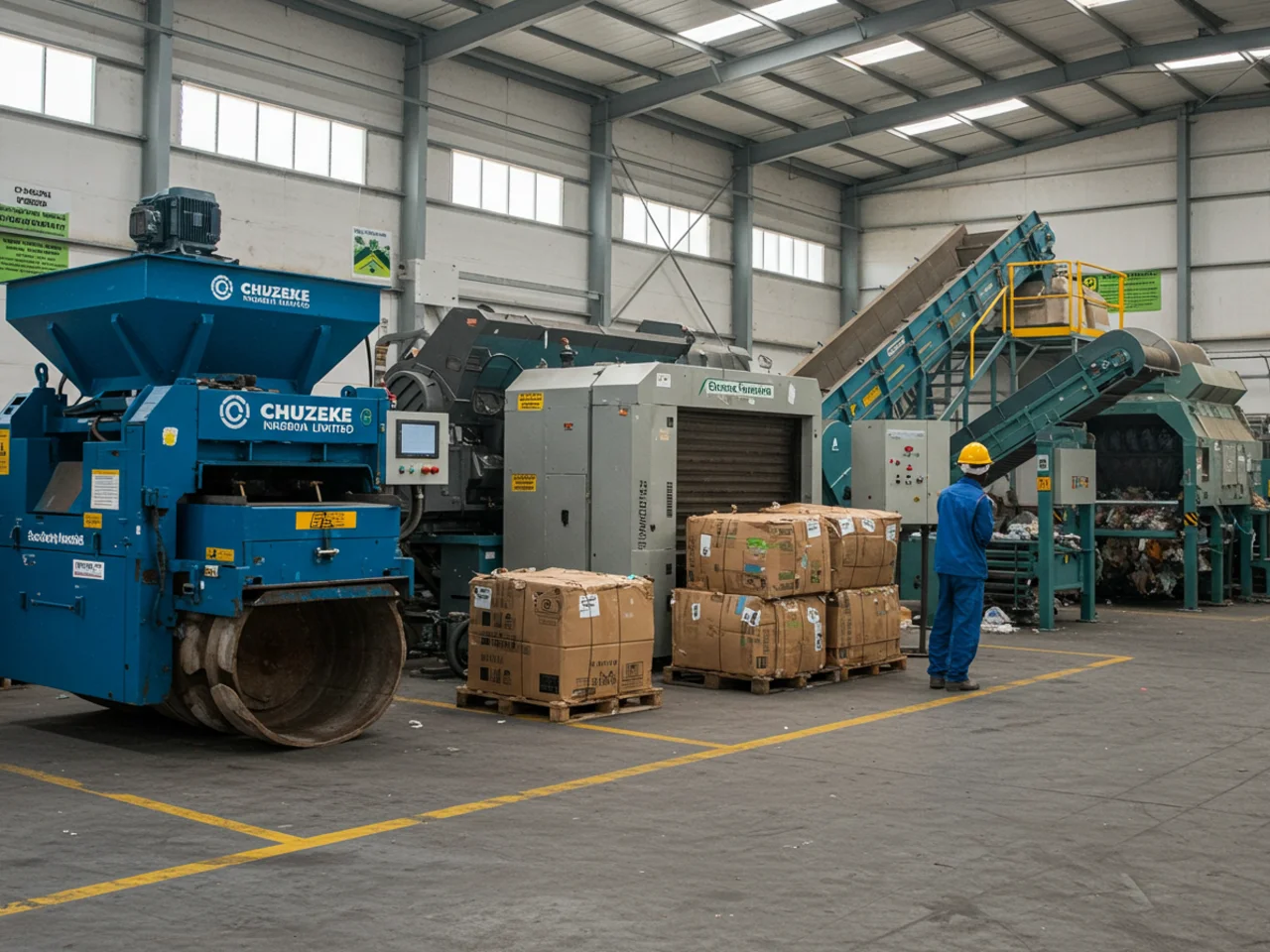
Volume-reduction equipment cuts disposal costs and extends landfill life. Hydraulic compactors compress waste to one-tenth of its original volume, enabling more efficient transport and storage. Balers, on the other hand, create dense blocks of recyclable materials for easier handling and shipping.
Composting Systems
In-vessel composters process organic waste in controlled environments. These enclosed systems maintain optimal temperature, moisture, and aeration for rapid decomposition. Batch or continuous-flow designs accommodate scales from small facilities to municipal operations.
Thermal Treatment Equipment
Thermal desorption units clean contaminated soil and industrial waste. These systems heat materials to vaporize pollutants without combustion, then capture and treat the released compounds. Applications include oil field remediation and industrial site cleanup.
Specialized Processing Equipment
Mercury recovery systems extract this hazardous metal from industrial waste, fluorescent lamps, and contaminated materials. Closed-loop systems achieve over 99 percent recovery efficiency while maintaining complete environmental containment.
Pyrolysis plants convert plastic waste, tires, and biomass into fuel oil, carbon black, and synthetic gas. These systems enable waste-to-energy conversion while reducing disposal volumes.
Learn more about our complete range of waste management equipment designed and fabricated for Nigerian industrial conditions.
Waste Management in Nigeria: Challenges and Solutions
Nigerian waste management faces unique challenges requiring tailored solutions.
Current Challenges
Nigeria’s solid waste crisis reflects structural deficiencies in governance, infrastructure, and behavior. Infrastructure gaps limit collection coverage, particularly in low-income areas. Two-thirds of urban households in low-income neighborhoods lack formal waste management services.
Financial constraints restrict investment in equipment and facilities. Many cities operate with insufficient collection vehicles, limited treatment capacity, and inadequate disposal sites. This forces reliance on open dumping and burning.
Institutional fragmentation hampers coordination. Multiple agencies share overlapping mandates without clear accountability. State-level agencies, such as OYOWMA and RIWAMA, and Lagos State Waste Management Authority, face challenges, including open dumping, irregular collection, and low community involvement.
Practical Solutions
Addressing these challenges requires coordinated action across multiple fronts.
Infrastructure Development: Cities need investment in collection vehicles, transfer stations, treatment facilities, and engineered landfills. Local fabrication of equipment such as reverse vending machines demonstrates how domestic manufacturing can support infrastructure expansion.
Regulatory Enforcement: Strengthening NESREA and state agency capacity ensures compliance with environmental standards. Regular facility inspections, violation penalties, and public reporting create accountability.
Private Sector Participation: Engaging waste management companies and equipment manufacturers expands service delivery. Public-private partnerships leverage private capital and expertise while maintaining public oversight.
Community Engagement: Education programs raise awareness about proper waste handling. Community-based segregation initiatives reduce processing costs and improve recycling rates.
Technology Adoption: Modern equipment increases efficiency and compliance. Locally manufactured waste management systems designed for Nigerian conditions perform reliably while supporting the domestic industry.
Regulations and Standards for Waste Management
Understanding regulatory requirements guides compliance and protects against violations.
National Framework
NESREA establishes environmental standards across all waste categories. The agency enforces air quality limits, water discharge standards, and waste treatment requirements. Violations trigger enforcement actions including warnings, fines, and facility closure.
Sector-Specific Regulations
Healthcare facilities follow the National Healthcare Waste Management Policy. This framework mandates segregation at generation points, appropriate storage, licensed transporters, and approved treatment methods. The 2013 policy introduction improved waste management practices across Nigerian healthcare facilities.
The petroleum sector operates under EGASPIN, which covers exploration, drilling, production, transportation, and waste management. The Department for Petroleum Resources conducts inspections and enforces standards.
International Standards
Many Nigerian facilities align with international standards, including WHO guidelines for healthcare waste, EPA protocols for hazardous waste, and ISO environmental management systems. This alignment supports best practices and facilitates international partnerships.
Choosing the Right Waste Management Partner
Selecting appropriate equipment suppliers and service providers requires careful evaluation.
Waste Equipment Selection Criteria
Waste management equipment must match your specific needs and operating conditions.
Consider:
Capacity Requirements: Calculate waste volumes to size equipment appropriately. Undersized systems create bottlenecks while oversized equipment wastes capital.
Compliance Capability: Verify equipment meets NESREA standards and relevant regulations. Request emission test data, performance certifications, and compliance documentation.
Operating Conditions: Nigerian facilities face high temperatures, humidity, and continuous operation demands. Equipment must withstand these conditions without premature failure.
Maintenance Support: Seasoned local fabricators such as Chuzeke Nigeria Limited provide responsive maintenance and parts supply. This minimizes downtime compared to imported systems lacking local support networks.
Material Quality: Specify high-grade steel and proven fabrication processes. Inferior materials corrode faster in humid conditions and fail under thermal stress.
Service Provider Evaluation
When selecting waste management services, assess:
Experience and Track Record: Review similar projects and client references. Providers experienced in your sector understand specific requirements and challenges.
Regulatory Compliance: Verify current licenses, permits, and compliance records. Request copies of environmental certifications and audit reports.
Equipment and Technology: Modern equipment increases efficiency and reliability. Site visits reveal actual capabilities versus advertised claims.
Training and Safety: Proper staff training prevents accidents and ensures correct operation. Ask about training programs, safety records, and certification status.
For comprehensive project support including compliance planning and system design, explore our engineering services tailored to Nigerian waste management requirements.
Cost Structure: Compare total costs, which include service fees, equipment rental, disposal charges, and compliance support. The lowest bid may include hidden costs or cut corners, compromising safety.
Working with Waste Equipment Manufacturers
Quality fabricators deliver equipment meeting specifications while providing ongoing support.
Chuzeke Nigeria Limited combines precision engineering with deep knowledge of Nigerian industrial challenges. As a Port Harcourt-based manufacturer, we design and fabricate waste management equipment specifically for Nigerian conditions. Our systems handle the heat, humidity, and continuous operation demands that destroy lesser equipment.
Every system meets ASME, ISO, and international fabrication standards while being designed for Nigerian operating realities. Our waste management equipment includes rotary kiln incinerators, pyrolysis plants, in-vessel composters, compactors, thermal desorption units, mercury recovery systems, and gasifiers.
We serve diverse sectors, including oil field companies requiring drilling waste treatment, hospitals and medical centers needing healthcare waste solutions, manufacturing facilities managing industrial waste, and environmental consultants implementing remediation projects.
Frequently Asked Questions About Waste Management
What is the difference between solid waste and hazardous waste?
Solid waste is a broad category including any discarded material, whether solid, liquid, or contained gas. Hazardous waste is a subset exhibiting dangerous properties: ignitability, corrosivity, reactivity, or toxicity. While all hazardous waste is solid waste, not all solid waste is hazardous.
How much does waste management equipment cost in Nigeria?
Equipment costs vary widely based on type, capacity, and specifications. Small medical waste incinerators start around ₦20-50 million. Large industrial rotary kiln systems are above ₦50 million, depending on capacity and features. Contact equipment manufacturers for detailed quotes matching your specific requirements.
What waste management services does Chuzeke Nigeria Limited provide?
Chuzeke Nigeria Limited designs, fabricates, and maintains solid waste management equipment. Our services include custom equipment fabrication, installation and commissioning, operator training, maintenance support, and compliance consulting. We work with oil field companies, hospitals, industrial facilities, and environmental services providers across Nigeria.
How do I comply with NESREA waste management requirements?
Compliance starts with understanding applicable regulations for your waste types. Implement proper segregation, storage, and handling procedures. Use equipment meeting emission and treatment standards. Maintain required records and reports. Conduct regular staff training. Consider engaging compliance consultants to guide implementation.
What is the best waste management method for medical facilities?
Healthcare facilities require multiple methods for different waste streams. Infectious waste needs autoclaving or incineration. Sharps go in puncture-resistant containers for incineration. Pharmaceutical waste requires specific thermal destruction. General non-hazardous waste follows municipal solid waste procedures. Implement color-coded segregation at all generation points.
Where can I buy waste management equipment in Nigeria?
Several options exist for equipment procurement. Local manufacturers such as Chuzeke Nigeria Limited fabricate custom systems designed for Nigerian conditions. International suppliers offer imported equipment, though delivery times are longer and local support may be limited. Consider the total cost of ownership, including maintenance and parts availability, when comparing options.
How long does it take to install waste management equipment?
Installation timelines depend on equipment complexity and site preparation requirements. Simple units like compactors may be installed in days. Complex systems like rotary kiln incinerators require weeks for installation, testing, and commissioning. Site preparation, including foundations, utilities, and environmental controls, adds to the timeline.
What training do staff need to operate waste management equipment?
Operators require training on equipment function, safety procedures, maintenance requirements, emergency response, and regulatory compliance. Training programs typically last 3-5 days for basic equipment and up to 2 weeks for complex systems. Regular refresher training maintains competency. Equipment manufacturers should provide initial and ongoing training as part of system delivery.
The path forward for Nigerian waste management combines proper infrastructure, regulatory compliance, and stakeholder commitment. Whether you operate a hospital, oil field, manufacturing facility, or waste services company, the right equipment and practices protect health, preserve the environment, and meet legal requirements.
Chuzeke Nigeria Limited stands ready to support your waste management needs with precision-engineered equipment built for Nigerian conditions. Based in Port Harcourt, we combine international standards with local expertise to deliver systems that perform reliably when others fail. Contact us to discuss your requirements and receive a detailed proposal matching your specific operational needs.


Partner with Nigeria's Leading Waste Equipment Fabrication company
Stop dealing with equipment failures and project delays. Get reliable waste management and oil field equipment engineered for Nigerian industrial conditions. We’re ready to build.