

7 Essential Metal Fabrication Processes Every Manufacturer Should Know
Metal fabrication processes are the specific steps used to transform raw steel, aluminum, or stainless steel into functional machinery. Understanding these techniques helps you evaluate vendors and ensures you get equipment that withstands Nigeria’s demanding industrial environment.
If you run a manufacturing plant in Port Harcourt, manage an oil field in the Niger Delta, or oversee a construction project in Lagos, you know that not all metal equipment is built the same. A waste compactor that fails after six months or a storage tank that leaks under pressure typically indicates one issue: poor metal fabrication standards.
At Chuzeke Nigeria Limited, we see fabrication as more than just joining metal. It is an engineering discipline that demands precision.
Why Process Knowledge Matters for Nigerian Industries
In Nigeria, we face unique challenges. High humidity in coastal cities like Port Harcourt accelerates corrosion. Inconsistent power supply demands robust equipment that can handle rough starts and stops.
When you understand how your equipment is made, you can specify better materials and techniques. You stop buying on price alone and start investing in longevity.
Here are the seven foundational metal fabrication processes every manufacturer and procurement manager should recognize.
1. Cutting: The Foundation of Fabrication Precision
Every metal fabrication project begins with cutting. The quality of the initial cut determines how well parts fit together later. If the cut is rough, the welder has to fill gaps, which can create weak points.
Thermal Cutting (Laser & Plasma)
For thick steel plates used in pressure vessels or heavy machinery, we use thermal cutting.
Plasma Cutting: This uses an accelerated jet of hot plasma to cut through electrically conductive metals. It is fast and effective for thick steel plates often used in oil and gas equipment.
Laser Cutting: For high-precision parts requiring tight tolerances, laser cutting is superior. It leaves a cleaner edge that requires less finishing work.
Mechanical Shearing
For sheet metal, shearing is standard. Think of it like a giant pair of scissors.
A machine applies force to slice through the metal. It is highly effective for preparing rectangular cuts for waste bins or panels.
2. Forming and Bending: Shaping the Structure
Once metal is cut, it often needs to be shaped. Flat sheets rarely stay flat in industrial machinery.
Press Brake Operations
A press brake is a machine that clamps the metal between a punch and a die. It applies tons of force to bend the metal at precise angles.
Why it matters: Precise bending reduces the number of welds needed. A single bent sheet is structurally stronger than two sheets welded at a corner. For items like waste skips or electrical enclosures, consistent bending ensures the final product is square and stackable.
3. Welding: The Structural Backbone
Welding is likely the most recognized metal fabrication technique, but it is also where most mistakes happen. It involves fusing two or more metal parts using heat and pressure.
MIG vs. TIG Welding in Industrial Applications
MIG (Metal Inert Gas): This is the workhorse of industrial metal fabrication processes. It is fast and works well for thick structural steel. We use this extensively for building skeletal frames and heavy equipment supports.
TIG (Tungsten Inert Gas): This requires more skill and time. It produces a clean, precise weld often used for stainless steel or aluminum. If you are ordering medical equipment or food-grade stainless steel tanks, you should expect TIG welding.
At Chuzeke, our welding procedures adhere to AWS (American Welding Society) standards to ensure structural integrity.
4. Machining: Achieving High-Tolerance Specs
Sometimes, cutting and welding are not precise enough. Machining involves removing material from a solid block to create a specific shape.
Drilling: Creating precise holes for bolts and fasteners.
Turning: Spinning metal on a lathe to shape cylindrical parts.
Milling: Using rotary cutters to remove material.
Machining is an essential metal fabrication process for creating flanges, valves, and engine components, where a difference of a millimeter can cause a leak.
5. Punching: Efficiency for High-Volume Parts
When we need to place holes or vents in sheet metal, drilling is too slow.
Punching uses a turret press to force a tool through the metal, creating a hole instantly. This is standard for creating ventilation grilles on machine guards or bolt patterns on connection plates.
6. Rolling: Critical for Tanks and Vessels
You cannot build a storage tank or a rotary kiln incinerator with flat plates. Rolling involves passing sheet metal through three rollers to curve it into a cylinder.
Application: This process is non-negotiable for the oil and gas sector. Creating perfectly round pressure vessels ensures that stress is distributed evenly across the tank walls, preventing ruptures.
7. Finishing: Combating Corrosion in Nigeria
This is the step most often overlooked by budget fabricators, yet it is the most vital for our climate. Raw steel will rust within days in Port Harcourt’s humid air.
Sandblasting: We blast the metal surface to remove mill scale and impurities, creating a rough texture that holds paint better.
Powder Coating & Painting: We apply industrial-grade epoxies or polyurethane coatings. For waste management equipment that handles corrosive sludge or oil tools exposed to brine, the right finish extends the equipment’s life by years.
Applications Across Nigerian Sectors
These essential metal fabrication processes can be applied across various industries in Nigeria, including:
Oil & Gas
Upstream operations require equipment that can withstand high pressure and corrosive crude. We utilize rolling and certified welding to fabricate tanks, skids, and pipe racks that meet international safety standards.
Waste Management
Incinerators and compactors endure extreme heat and abrasion. We combine heavy-plate cutting with heat-resistant finishing to build systems that comply with NESREA regulations and handle daily municipal waste loads.
Why Choose Chuzeke Nigeria Limited for Your Metal Fabrication Processes?
We are not just a welding shop; we are an engineering partner. Chuzeke Nigeria Limited combines these seven metal fabrication processes under one roof in Port Harcourt. We control quality from the first cut to the final coat of paint.
- Material Sourcing: We verify the grade of every steel plate.
- Certified Staff: Our team understands the science behind the weld.
- Local Expertise: We build for the Nigerian environment.
Selecting the Best Metal Fabricator
When you select a partner for your next project, ask about their metal fabrication processes. Do they use precision cutting? Is their welding certified? Do they understand the corrosion risks in your specific location?
High-quality metal fabrication reduces downtime and repair costs. If you need equipment built to last, let’s discuss your specifications.
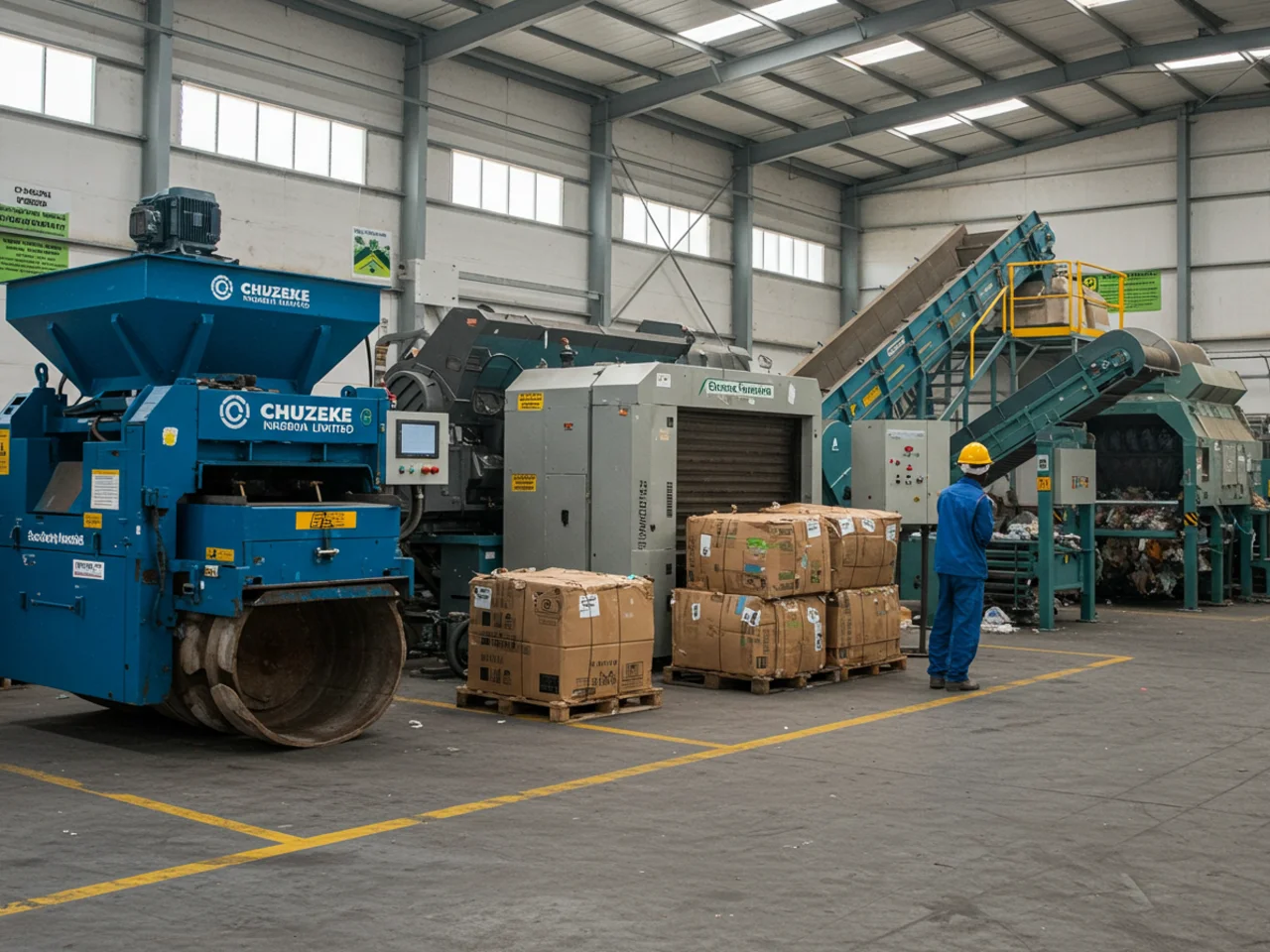


Partner with Nigeria's Leading Metal Fabrication company
Stop dealing with equipment failures and project delays. Get reliable waste management and oil field equipment engineered for Nigerian industrial conditions. We’re ready to build.