

Environmental Impact of Improper Waste Management in Nigeria
The environmental impact of improper waste management is one of the most serious threats facing Nigeria today. Every day, millions of tonnes of household, commercial, industrial, and medical waste pile up across cities like Port Harcourt, Lagos, and Abuja. Much of that waste never reaches a proper disposal or recycling facility. Instead, it ends up in open dumpsites, drainage channels, rivers, and roadsides, where it poisons the soil, contaminates water, pollutes the air, and puts human lives at risk. The result is an escalating environmental crisis that demands serious attention and, more practically, the right equipment and systems to manage waste at the source.
This blog post breaks down exactly how improper waste disposal damages the Nigerian environment, who is most affected, and what proven steps home owners, business owners, hospitals, construction firms, and industrial operators can take to fix the problem.
Let’s go ahead and break down exactly what is at stake.
What Is Improper Waste Management?
Improper waste management refers to any practice where solid, liquid, or hazardous waste is collected, stored, transported, or disposed of in ways that ignore environmental safety standards. In Nigeria, the National Environmental Standards and Regulations Enforcement Agency (NESREA) sets rules under the National Environmental (Sanitation and Wastes Control) Regulations, 2009, which define acceptable waste handling practices.
When individuals and organizations ignore these regulations, the environmental consequences multiply fast.
Common Forms of Improper Waste Disposal in Nigeria
Here are the most widespread improper disposal practices across Nigerian states:
- Open dumping: Waste piled on vacant lots, road medians, and drainage paths without any containment. The World Bank estimates that Nigeria generates over 32 million tonnes of solid waste annually, and less than 30% is formally collected.
- Open burning: Residents and businesses burn waste to reduce volume. This is especially common in Port Harcourt and the Niger Delta region.
- Illegal dumping into water bodies: Industrial effluent, sewage, and solid waste dumped into rivers, creeks, and the Atlantic coastline.
- Unlined landfills: Waste buried without protective liners, allowing leachate to seep into groundwater.
- Improper medical waste disposal: Sharps, pharmaceutical waste, and infectious materials mixed with general waste or dumped without treatment. The World Health Organization reports that about 85% of healthcare waste is non-hazardous, but the remaining 15% is infectious, toxic, or radioactive and requires specialized handling.
- Abandonment of industrial waste: Metal scraps, chemical residues, and construction debris left on-site or dumped in surrounding communities.
Each of these practices triggers a chain of pollution from waste that spreads through soil, water, and air.
How Pollution from Waste Damages Nigerian Soil
Soil is the foundation of agriculture, construction, and ecosystem health. When waste sits directly on the ground without containment, it starts a slow poisoning process.
Soil Contamination from Open Dumpsites
Open dumpsites leach heavy metals (lead, mercury, cadmium, chromium) and organic pollutants into the topsoil. A 2020 study published in the Journal of Environmental Management found that soil samples taken near open dumpsites in Port Harcourt contained lead concentrations up to 12 times the WHO safe limit.
These contaminants do not break down quickly. They persist in soil for decades, making the land unsafe for farming, construction, or habitation.
Long-Term Effects on Agriculture and Food Safety
Nigeria’s agricultural sector employs over 35% of the population. When farmland near dumpsites absorbs heavy metals, crops take them up through their roots. Communities eating produce grown in contaminated soil face cumulative toxic exposure.
For homeowners living near dumpsites, this means that garden crops and well water may contain unsafe levels of pollutants. For construction companies, it means site assessments must account for soil contamination before any ground-breaking activity.
Water Pollution Caused by Poor Waste Disposal
Water pollution from waste is a daily reality in many Nigerian cities and rural areas. The waste management effects on water quality are both immediate and long-lasting.
Groundwater Contamination and Leachate
When rain falls on open dumpsites or unlined landfills, it filters through layers of decomposing waste. This creates leachate, a dark, toxic liquid carrying dissolved chemicals, bacteria, and heavy metals. Leachate seeps downward into aquifers that supply boreholes and wells.
A 2019 study by the Federal University of Technology, Owerri, found that groundwater samples from boreholes within 500 metres of active dumpsites in southeastern Nigeria exceeded permissible WHO limits for coliform bacteria, nitrates, and lead.
This directly affects homeowners who depend on boreholes for drinking water. It also creates liability for businesses and medical facilities operating near improperly managed waste.
Surface Water Pollution in Rivers and Creeks
In Port Harcourt and across the Niger Delta, industrial and domestic waste frequently enters creeks and rivers. Oil field companies, steel production companies, and metal works companies that allow waste runoff into waterways face regulatory penalties from NESREA and state environmental agencies.
The environmental consequences include:
- Fish kills and loss of aquatic biodiversity.
- Contamination of water used for fishing and aquaculture, a major livelihood in Rivers State.
- Spread of waterborne diseases in downstream communities.
Air Pollution from Waste Burning and Decomposition
Air pollution is one of the most visible waste management effects, especially in Nigerian urban centres.
Toxic Emissions from Open Burning
When waste burns in the open, it releases particulate matter (PM2.5 and PM10), carbon monoxide, dioxins, furans, and volatile organic compounds. The United Nations Environment Programme (UNEP) identifies open waste burning as one of the largest sources of dioxin and furan emissions globally.
Dioxins are persistent organic pollutants that accumulate in human tissue and are linked to cancer, immune system damage, and reproductive problems. In Port Harcourt, residents report frequent haze and respiratory irritation from neighbourhood waste fires, a problem compounded by soot from other industrial sources.
Methane and Greenhouse Gas Emissions from Landfills
According to IPCC, organic waste decomposing in landfills without oxygen produces methane, a greenhouse gas approximately 80 times more potent than carbon dioxide over 20 years.
Nigeria’s waste sector contributes an estimated 5–7% of the country’s total greenhouse gas emissions. Every unmanaged dumpsite accelerates climate change and worsens flooding, heat stress, and weather unpredictability that affect every audience segment, from homeowners to oil field operators.
Public Health Consequences of Improper Waste Mismanagement
The environmental impact of improper waste management does not stay confined to ecosystems. It directly enters human bodies through contaminated water, polluted air, and disease-carrying vectors.
Diseases Linked to Improper Waste Disposal
The WHO links improper waste disposal to the following health outcomes:
- Cholera and typhoid – Spread through water contaminated by faecal waste and leachate.
- Malaria and dengue fever – Stagnant water in discarded containers and blocked drains breeds mosquitoes.
- Respiratory infections – Caused by inhaling smoke and particulate matter from waste fires.
- Skin infections and leptospirosis – Direct contact with contaminated waste and floodwater.
- Cancer – Long-term exposure to dioxins, heavy metals, and other carcinogens in waste emissions.
In Nigeria, diarrhoeal diseases alone kill approximately 150,000 children under five each year, and a significant proportion of cases trace back to contaminated water and poor sanitation linked to waste mismanagement.
Risks for Medical Facilities and Hospitals
Medical centres, hospitals, and clinics produce sharps, pathological waste, pharmaceutical waste, and infectious materials. When these facilities lack proper waste management equipment, such as medical waste incinerators and autoclave systems, infectious waste mixes with general refuse.
This exposes healthcare workers, waste handlers, patients, and surrounding communities to needlestick injuries, bloodborne pathogen transmission (including HIV and Hepatitis B), and environmental contamination.
NESREA’s National Environmental (Healthcare Waste Management) Regulations mandate segregation, treatment, and safe disposal of healthcare waste. Non-compliance carries fines and operational shutdown orders.
Are you a hospital administrator or medical facility manager? Contact Chuzeke Nigeria Limited for medical waste management equipment built to NESREA standards in Port Harcourt.
Environmental Consequences for Businesses and Industries
Waste management effects extend deeply into business operations, regulatory compliance, and financial performance.
Waste Challenges for Construction and Engineering Companies
Construction sites generate concrete rubble, wood scrap, metal offcuts, packaging materials, and chemical waste (paints, solvents, adhesives). Without designated waste bins, compactors, and collection schedules, this waste accumulates on-site and spills into surrounding areas.
Environmental consultants and engineering companies working on Environmental Impact Assessments (EIAs) routinely flag improper construction waste disposal as a compliance failure that can delay project approvals or trigger NESREA enforcement.
Risks for Oil Field, Steel, and Metal Works Operations
The oil and gas sector, steel production companies, and metal works companies produce hazardous waste streams, including drilling mud, spent catalysts, slag, metal shavings, lubricants, and chemical solvents.
Improper disposal of these materials causes:
- Soil and groundwater contamination requiring expensive remediation.
- Air emissions that violate Nigeria’s Ambient Air Quality Standards.
- Community protests and operational shutdowns.
- Legal liability under the National Oil Spill Detection and Response Agency (NOSDRA) Act and the NESREA regulations.
Investing in proper waste management equipment, from industrial incinerators to waste segregation systems, is not optional. It is a compliance and operational requirement.
The True Cost of Ignoring Proper Waste Management
Economic Losses and Regulatory Penalties in Nigeria
The economic cost of environmental degradation from waste in Nigeria runs into billions of naira annually. The World Bank estimates that poor sanitation and waste management cost Nigeria approximately 1.3% of GDP each year through healthcare expenditures, lost productivity, and environmental remediation.
NESREA can impose fines of up to ₦1,000,000 per day for ongoing environmental violations, and state agencies add their own penalties. For businesses, these costs far exceed the price of installing proper waste management equipment.
Reputation and Community Impact
Businesses that dump waste irresponsibly face community backlash, negative media coverage, and loss of contracts, especially from international clients who require environmental compliance documentation. Homeowners in affected neighbourhoods see property values decline.
For waste management companies and environmental services providers, the reputational risk of association with improper practices is career-ending.
Proven Solutions for Proper Waste Management in Nigeria
Here is the good news. The environmental impact of improper waste management is preventable. Proven solutions exist, and many of them start with the right equipment.
The Role of Waste Management Equipment
Proper waste management depends on physical infrastructure:
- Waste bins and segregation stations – Separating recyclables, organic waste, and hazardous materials at the point of generation.
- Compactors and balers – Reducing waste volume for efficient transport and storage.
- Incinerators – Safely destroying medical, pharmaceutical, and hazardous waste at high temperatures with emission controls.
- Recycling machinery – Shredders, crushers, and sorting lines that recover value from plastic, metal, glass, and paper waste.
- Leachate treatment systems – Preventing landfill runoff from contaminating groundwater.
- Skip bins and roll-off containers – Providing contained, transportable waste storage for construction sites, industrial plants, and commercial premises.
Each piece of waste equipment addresses a specific link in the waste management chain. Without them, even the best policies and regulations fail at the point of execution.
How Chuzeke Nigeria Limited Supports Proper Waste Disposal
Chuzeke Nigeria Limited is a waste management equipment fabrication company based in Port Harcourt, Nigeria. We design and build waste management equipment for homeowners, businesses, hospitals, oil field companies, construction firms, steel production plants, and metal works operations across Nigeria.
Chuzeke fabricates:
- Medical waste incinerators for hospitals and medical centres.
- Industrial incinerators and thermal desorption units for oil and gas, manufacturing, and construction operations.
- Waste bins, skip bins, and roll-off containers for commercial and residential use.
- Custom waste handling equipment engineered to NESREA and international standards.
Every piece of equipment is built in Port Harcourt and delivered anywhere in Nigeria.
Ready to solve your waste management challenge? Request a quote from Chuzeke Nigeria Limited today.
Frequently Asked Questions About Waste Management and the Environment
What are the main environmental effects of improper waste disposal?
The main environmental effects include soil contamination from heavy metals and chemicals, water pollution through leachate and direct dumping, air pollution from open burning and methane emissions, loss of biodiversity, and acceleration of climate change through greenhouse gas release.
How does improper waste management affect human health in Nigeria?
It spreads waterborne diseases like cholera and typhoid, breeds mosquitoes that carry malaria and dengue, causes respiratory problems from waste smoke, and exposes communities to carcinogens. Medical waste that is not properly treated can transmit bloodborne infections.
What regulations govern waste management in Nigeria?
NESREA enforces the National Environmental (Sanitation and Wastes Control) Regulations 2009 and the National Environmental (Healthcare Waste Management) Regulations 2016. State agencies like LAWMA (Lagos) and Rivers State Waste Management Agency also set local rules. Non-compliance carries daily fines and potential operational shutdowns.
What is leachate, and why is it dangerous?
Leachate is the liquid that forms when rainwater filters through decomposing waste in a landfill or dumpsite. It carries dissolved heavy metals, bacteria, organic pollutants, and chemicals into the surrounding soil and groundwater, contaminating drinking water sources.
How can businesses reduce their waste management environmental footprint?
Businesses can segregate waste at the source, install compactors and recycling equipment, use proper storage containers (skip bins, roll-off containers), contract licensed waste collectors, and ensure hazardous and medical waste goes through certified treatment such as incineration. Investing in quality waste management equipment from Chuzeke Nigeria Limited is a practical first step.
Why should hospitals invest in medical waste incinerators?
Hospitals generate infectious, pathological, and pharmaceutical waste that cannot be safely disposed of through regular channels. Medical waste incinerators destroy pathogens and reduce waste volume by up to 90%, helping hospitals comply with NESREA healthcare waste regulations and protect staff, patients, and surrounding communities.
Take Action Against Improper Waste Management Today
The environmental impact of improper waste management will not fix itself. Every open dumpsite, every unlined landfill, every uncontrolled waste fire adds to the damage that Nigerian communities, ecosystems, and businesses absorb daily.
The fix starts with the right waste equipment and the right partner.
Chuzeke Nigeria Limited builds waste management equipment in Port Harcourt for clients across Nigeria, from hospitals needing medical incinerators to oil field companies requiring industrial waste handling systems. We bring fabrication expertise, knowledge of Nigerian regulations, and a track record of delivering equipment that works.
Contact Chuzeke Nigeria Limited for a free consultation on your waste management equipment needs. Call or visit our Port Harcourt facility today.
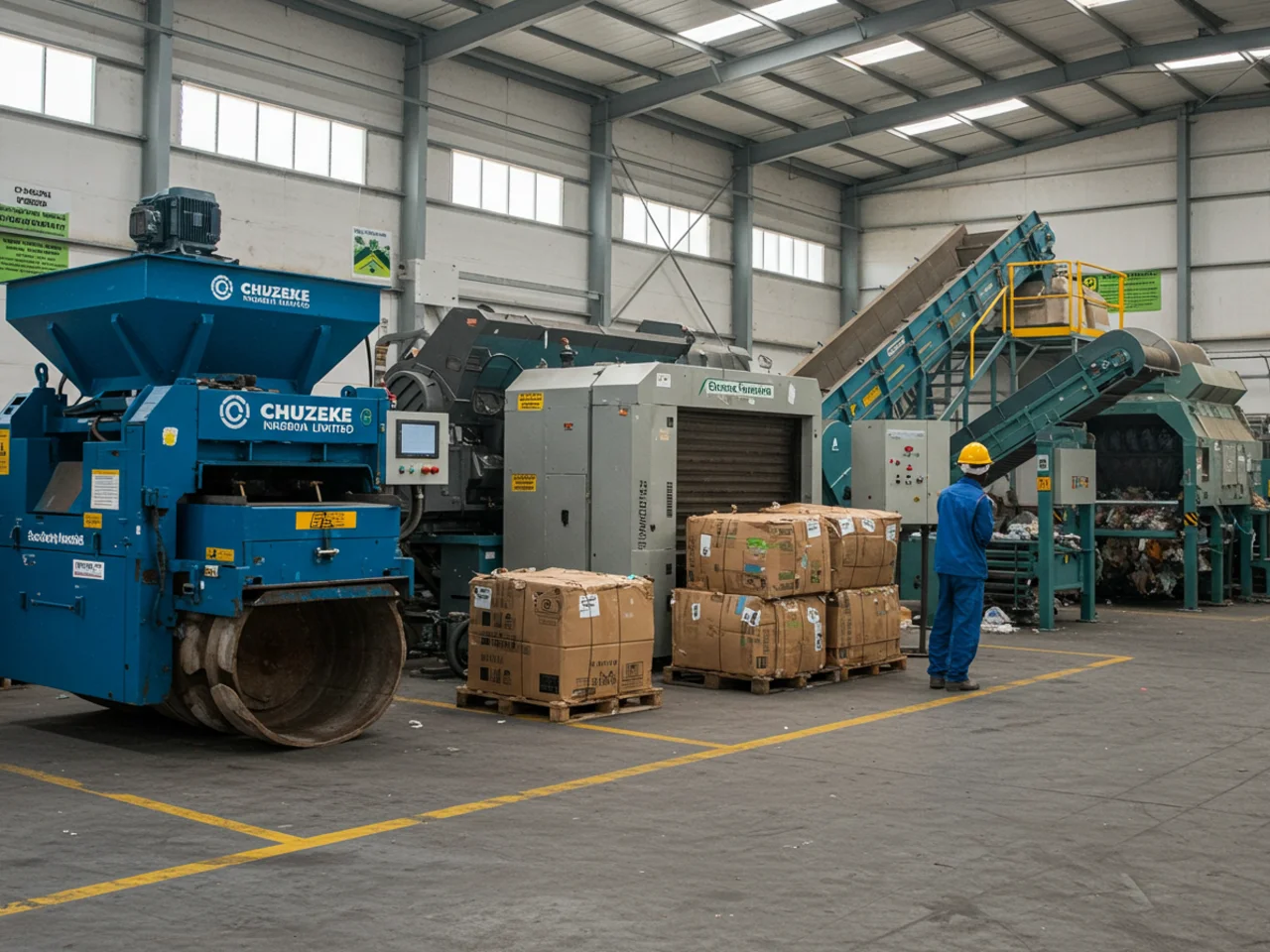


Partner with Nigeria's Leading Waste Equipment Fabrication company
Stop dealing with equipment failures and project delays. Get reliable waste management and oil field equipment engineered for Nigerian industrial conditions. We’re ready to build.