

Waste Segregation 101: How to Sort Your Waste Correctly
Waste segregation is the practice of separating waste into distinct categories before disposal. Though it sounds simple, most people still get it wrong. Every day, recyclable plastics end up mixed with food scraps, and hazardous chemicals sit in the same bin as paper waste. The result is overflowing landfills, contaminated soil, polluted waterways, and missed opportunities to recover valuable materials.
Chuzeke Nigeria Limited, in this detailed post, breaks down everything you need to know about waste sorting. You will learn the waste categories, understand what each bin colour means, and follow a clear step-by-step process to separate waste correctly. Whether you manage waste at home, in a hospital, on a construction site, or across an entire business operation, the principles here apply directly to you.
What Is Waste Segregation and Why Does It Matter?
Waste segregation means dividing waste materials into specific groups based on their type, composition, and disposal requirements. The goal is straightforward: send each type of waste to the right processing channel. Organic waste goes to composting. Recyclables go to recycling plants. Hazardous waste goes to specialised treatment facilities. General waste goes to sanitary landfills.
When you separate waste at the source (the point where it is generated), you reduce the volume of materials reaching landfills by up to 60%, according to the United Nations Environment Programme. You also protect waste workers from injury and exposure to dangerous materials.
For businesses, proper waste sorting cuts disposal costs because recycling and composting are cheaper than landfilling mixed waste. For hospitals and medical centres, segregation prevents infections and protects public health. For construction and industrial companies, it helps recover metals, wood, and concrete for reuse.
The Real Cost of Unsorted Waste in Nigeria
Nigeria generates over 32 million tonnes of solid waste annually, according to the National Environmental Standards and Regulations Enforcement Agency (NESREA). Less than 10% of that waste is formally recycled. The rest ends up in open dumps, drainage channels, and water bodies.
In Port Harcourt, Lagos, and Abuja, improper waste disposal contributes to flooding during the rainy season, releases greenhouse gases from decomposing organic matter, and creates breeding grounds for disease-carrying vectors. Sorting waste at the source is the first and most practical step to reversing this pattern.
The Four Main Types of Waste You Need to Know
Before you pick up a single item, you need to recognise the four primary waste categories. Every waste segregation system worldwide builds on these groups.
Organic (Biodegradable) Waste
Organic waste includes any material that decomposes naturally. Think food scraps (fruit peels, vegetable trimmings, leftover rice, bones), garden waste (leaves, grass clippings, small branches), and natural fibre items (uncoated paper napkins, cotton rags).
This category makes up roughly 50–60% of household waste in Nigeria, according to the Lagos Waste Management Authority (LAWMA). Composting organic waste produces nutrient-rich soil amendment for farming and landscaping.
Recyclable (Dry) Waste
Recyclable waste covers materials that can be reprocessed into new products. This group includes:
- Plastics — PET bottles (water and soft drink bottles), HDPE containers (detergent bottles, jerry cans)
- Paper and Cardboard — newspapers, office paper, cardboard boxes, magazines
- Glass — bottles, jars (not broken window glass)
- Metals — aluminium cans, tin cans, scrap steel, copper wiring
Each of these materials holds value. PET bottles, for instance, sell for N80–N150 per kilogram at Nigerian recycling aggregation points.
Hazardous Waste
- Hazardous waste poses an immediate risk to human health or the environment. This category includes:
- Chemical waste — paints, solvents, pesticides, cleaning agents
- Electronic waste (e-waste) — batteries, circuit boards, old phones, fluorescent bulbs
- Automotive waste — used engine oil, brake fluid, antifreeze
- Medical sharps — needles, syringes, scalpel blades (covered in detail in the medical section below)
NESREA classifies hazardous waste under the National Environmental (Sanitation and Wastes Control) Regulations, S.I. No. 28 of 2009. Penalties for improper hazardous waste disposal include fines up to N1,000,000 and facility closure.
General (Residual) Waste
General waste is anything that does not fit the above three categories and cannot be recycled or composted. Examples include soiled diapers, broken ceramics, rubber items, and heavily contaminated packaging. This waste goes to sanitary landfills.
Colour Coded Bins: What Each Bin Colour Means
Colour coded bins remove guesswork from waste sorting. Each colour signals a specific waste category, making it easy for anyone to place items in the correct container. Here is the standard colour coding system used across Nigeria and aligned with international norms.
Green Bins for Organic Waste
Green bins collect all biodegradable materials. Place food waste, garden clippings, and uncoated paper products in green bins. Line them with compostable bags to keep them clean.
Blue Bins for Recyclable Materials
Blue bins accept dry recyclable items: plastic bottles, metal cans, clean paper, and glass containers. Rinse containers before placing them in blue bins to prevent contamination of other recyclables.
Yellow Bins for Clinical and Medical Waste
Yellow bins and yellow sharps containers are designated for medical and clinical waste. Hospitals, medical centres, clinics, and laboratories use yellow bins for items like used gloves, wound dressings, culture dishes, and pathological waste. The World Health Organization (WHO) mandates yellow coding for infectious clinical waste worldwide.
Red Bins for Hazardous and Chemical Waste
Red bins handle hazardous and chemical waste, including batteries, paint cans, chemical containers, and pharmaceutical waste. In hospitals, red bins specifically collect anatomical waste and highly infectious materials. Always keep red bins sealed and labelled with hazard symbols.
Black Bins for General Non-Recyclable Waste
Black bins take everything that cannot be recycled, composted, or classified as hazardous. This includes broken household items, soiled packaging, and mixed debris. Black bins typically go straight to landfill.
Quick Reference Table: Bin Colours and Waste Types
| Bin Colour | Waste Category | Examples |
|---|---|---|
| Green | Organic / Biodegradable | Food scraps, garden waste, uncoated paper |
| Blue | Recyclable / Dry | Plastic bottles, cans, clean paper, glass |
| Yellow | Clinical / Medical | Used gloves, dressings, lab waste, sharps |
| Red | Hazardous / Chemical | Batteries, paint, solvents, pharmaceutical waste |
| Black | General / Residual | Broken ceramics, soiled items, mixed debris |
How to Sort Your Waste Step by Step
Follow these five steps to sort your waste correctly every time.
Step 1 — Set Up Your Sorting Station
Place your colour coded bins in a convenient, accessible location. At home, the kitchen is the natural starting point for a green bin (organics) and a blue bin (recyclables). At workplaces, position bins at each waste generation point: break rooms, production floors, and restrooms. For hospitals, each ward, theatre, and laboratory needs a full set of colour coded bins including yellow sharps containers.
Step 2 — Identify Each Waste Item
Before tossing anything, take one second to assess it. Ask: Is it food or plant-based? It goes in the green bin. Is it plastic, paper, metal, or glass, and clean enough to recycle? Blue bin. Is it a battery, chemical, or medical item? Red or yellow bin. Is it none of the above? Black bin.
Step 3 — Place Items in the Correct Bin
Drop the item into the matching bin. Do not bag recyclables inside general waste bags. Keep each stream separate from the moment of disposal. If an item has multiple materials (like a juice box with plastic lining and cardboard), check local recycling guidelines. In most Nigerian cities, multi-material packaging goes in the black bin unless your recycler accepts it.
Step 4 — Handle Hazardous Items Separately
Never mix batteries, chemicals, or medical sharps with any other waste. Store hazardous items in sealed, labelled containers and arrange for specialised collection. In Port Harcourt, hazardous waste collectors registered with the Rivers State Waste Management Agency (RIWAMA) handle pickup and disposal.
Step 5 — Schedule Proper Disposal or Pickup
Organic waste should be collected or composted within 24–48 hours to prevent odour and pest attraction. Recyclables can be stored longer in dry conditions. Hazardous and medical waste must follow strict pickup schedules defined by NESREA and state authorities.
Waste Segregation for Different Settings
Sorting principles stay the same across settings. The scale, specific waste types, and regulatory requirements change.
Waste Sorting at Home
Homeowners deal primarily with organic waste and recyclables. A two-bin system (green + blue) handles 80% of household waste. Add a small container under the sink for hazardous items like batteries and expired medications. Bag general waste separately in black bags.
Waste Segregation in Offices and Businesses
Offices generate large volumes of paper, cardboard, and plastic packaging. Place blue recycling bins beside every printer, in mailrooms, and near vending machines. Food courts need green bins for food waste. Assign a staff member or cleaning crew to verify bins are not cross-contaminated daily.
Medical Waste Segregation in Hospitals
Hospitals and medical centres face strict segregation requirements. The WHO classifies healthcare waste into eight categories. At a minimum, every clinical area needs:
- Yellow bin — infectious and pathological waste
- Yellow sharps container — needles, syringes, blades
- Red bin — anatomical and pharmaceutical waste
- Blue bin — non-contaminated recyclable packaging
- Black bin — general non-hazardous waste
Staff training is non-negotiable. Incorrect segregation in hospitals causes needlestick injuries, infection spread, and regulatory penalties.
Industrial Waste Sorting for Factories and Construction Sites
Construction companies, steel production plants, metalworks, oil field operations, and engineering companies produce waste streams that include scrap metal, concrete rubble, wood offcuts, chemical drums, and contaminated PPE. Set up designated collection skips for each material type. Scrap metals have high resale value and should always be separated. Chemical drums need decontamination before recycling or disposal.
Learn about Chuzeke’s waste management equipment for industrial operations to find bins, skips, and custom containers designed for heavy-duty environments.
Common Waste Sorting Mistakes and How to Avoid Them
Mistake 1: Putting recyclables in plastic bags before placing them in the blue bin. Recycling facilities cannot easily open and sort bagged items. Place recyclables loosely in the bin.
Mistake 2: Treating all plastics as recyclable. Plastic film, styrofoam, and multi-layer sachets (like pure water sachets) are not accepted by most Nigerian recyclers. Check with your local recycler.
Mistake 3: Ignoring wet contamination. A single container of leftover stew dumped into a blue bin can contaminate an entire load of paper and cardboard, making it unrecyclable. Rinse containers. Keep recyclables dry.
Mistake 4: Disposing of e-waste in general waste bins. Batteries and electronics contain lead, mercury, and cadmium. These leach into soil and groundwater when landfilled. Collect e-waste separately and deliver to certified e-waste recyclers.
Mistake 5: Skipping labels on bins. Unlabelled bins confuse users. Every bin should display its colour, category name, and examples of accepted items. Clear signage boosts sorting accuracy by up to 35%.
Nigerian Regulations on Waste Segregation
NESREA Guidelines
The National Environmental Standards and Regulations Enforcement Agency (NESREA) operates under the NESREA Act of 2007 and enforces the National Environmental (Sanitation and Wastes Control) Regulations, S.I. No. 28 of 2009. These regulations require waste generators to separate waste at source, store waste in appropriate containers, and engage licensed waste contractors for collection and disposal.
Penalties for non-compliance include fines ranging from N50,000 to N1,000,000 for individuals and up to N5,000,000 for corporate bodies, with possible imprisonment for repeat offenders.
State-Level Waste Authorities (LAWMA, RIWAMA)
Individual states enforce waste management through dedicated agencies. The Lagos Waste Management Authority (LAWMA) runs the “Blue Box Programme”, encouraging residents to separate recyclables. The Rivers State Waste Management Agency (RIWAMA) oversees waste collection and disposal in Port Harcourt and surrounding areas. Both agencies require waste segregation at source and issue operational permits to waste collectors.
Businesses operating in any Nigerian state should confirm their compliance status with the relevant state waste authority.
Frequently Asked Questions About Waste Segregation
What are the 4 types of waste segregation?
The four types are organic (biodegradable) waste, recyclable (dry) waste, hazardous waste, and general (residual) waste. Each type requires a separate bin and a different disposal method.
What do the bin colours mean?
Green is for organic waste, blue for recyclables, yellow for medical/clinical waste, red for hazardous/chemical waste, and black for general non-recyclable waste.
Why is waste segregation at source so valuable?
Separating waste where it is created prevents contamination between waste streams, increases recycling rates, reduces landfill volumes, and lowers disposal costs.
Is waste segregation mandatory in Nigeria?
Yes. NESREA regulations require waste generators to separate waste at source. State agencies like LAWMA and RIWAMA also enforce segregation rules with fines for non-compliance.
How should hospitals sort medical waste?
Hospitals must use a colour coded bin system with yellow bins for infectious waste, yellow sharps containers for needles and blades, red bins for anatomical and pharmaceutical waste, and black bins for general waste. The WHO provides detailed classification guidelines.
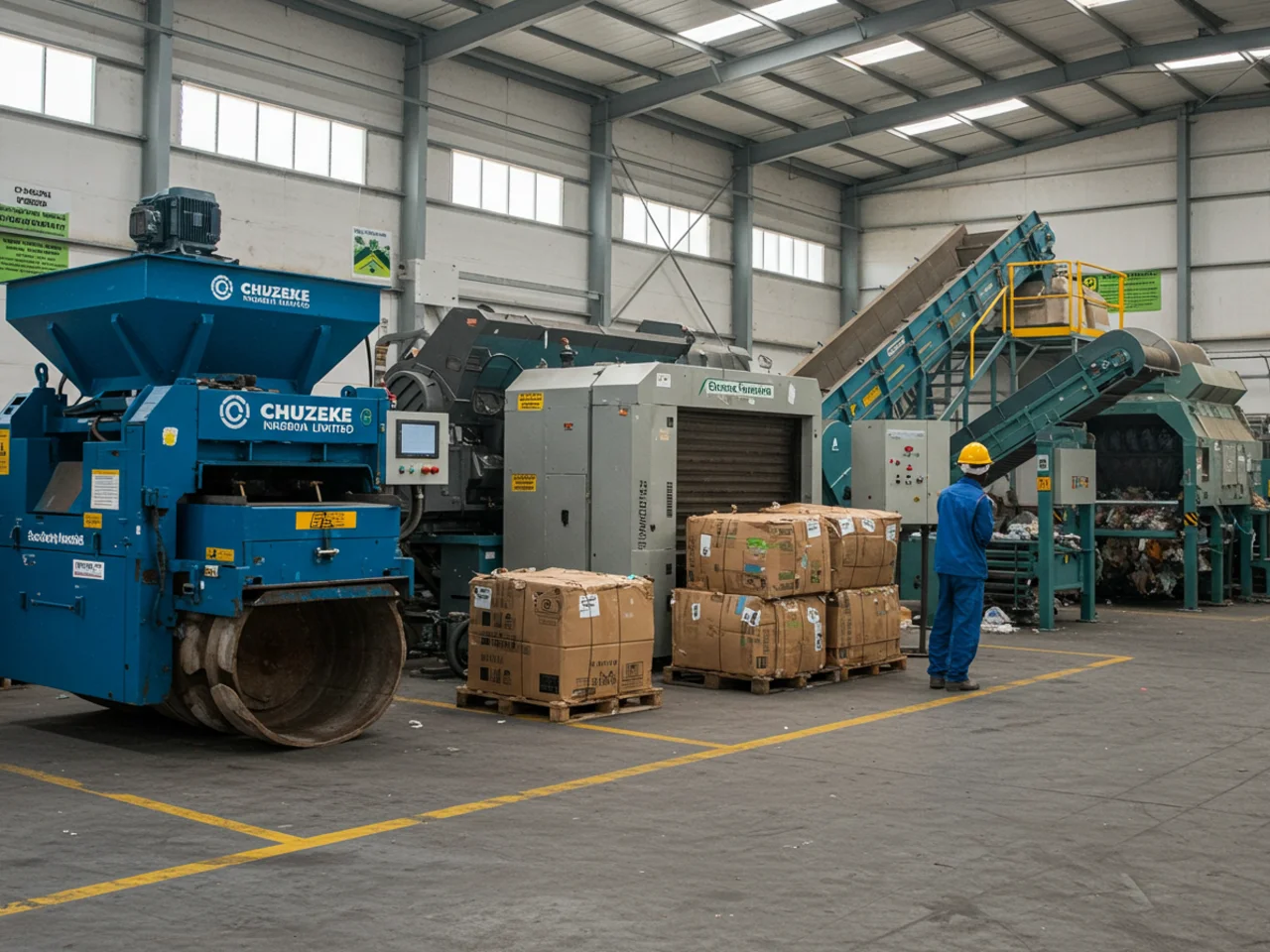


Partner with Nigeria's Leading Waste Equipment Fabrication company
Stop dealing with equipment failures and project delays. Get reliable waste management and oil field equipment engineered for Nigerian industrial conditions. We’re ready to build.