

How to Choose the Right Metal Fabrication Method for Your Project in Port Harcourt
Choosing the right metal fabrication method for your project in Port Harcourt determines whether your equipment performs reliably or fails under operational stress. Nigerian industrial operations face unique challenges: corrosive coastal environments, extreme heat cycles, and continuous operation demands that destroy poorly fabricated systems.
The wrong fabrication choice costs more than money. Equipment failures in oil field operations create safety risks and regulatory violations. Structural steel that buckles under load threatens worker safety. Waste management systems that corrode within months of installation leave facilities non-compliant with NESREA standards.
Smart fabrication selection starts with understanding your project requirements, then matching those needs to processes that deliver reliable performance in Port Harcourt’s demanding industrial environment—exactly what Chuzeke Nigeria Limited engineers apply to every fabrication project.
This guide walks you through the decision framework Port Harcourt’s leading metal fabrication experts use to engineer solutions that work.
Understanding Metal Fabrication Methods Available in Nigeria
Metal fabrication transforms raw materials into functional equipment through processes like cutting, forming, welding, and machining.
Each method offers specific advantages for different project requirements. Nigerian fabricators combine traditional techniques with modern automation to serve construction, oil and gas, waste management, and engineering sectors.
Cutting Processes: Laser, Plasma, and Waterjet Options
Cutting separates metal into required sizes and shapes. The method you select depends on material thickness, edge quality requirements, and production volume.
Plasma cutting works effectively on conductive metals up to 6 inches thick. Port Harcourt fabricators use plasma for structural steel preparation and custom component manufacturing. The process delivers fast cuts on carbon steel, stainless steel, and aluminum.
Expect rougher edges compared to laser cutting, but at lower equipment costs.
Laser cutting provides superior precision for thin to medium-thickness materials. The focused beam creates clean edges with minimal heat-affected zones. Nigerian companies invest in laser technology for precision components in engineering applications where tight tolerances matter. Laser excels at intricate patterns and complex geometries.
Waterjet cutting uses high-pressure water streams mixed with abrasive particles. This method cuts without heat, preventing material warping or metallurgical changes. Waterjet handles materials that lasers struggle with, including composites and heat-sensitive alloys. The process costs more per cut but eliminates secondary finishing operations.
Mechanical cutting methods (sawing, shearing, punching) remain cost-effective for high-volume production of standard profiles. These processes offer quick setup and lower operating costs, making them practical for repetitive cuts in construction applications.
Forming Techniques: Bending, Rolling, and Stamping
Forming reshapes metal without removing material. Nigerian fabricators use forming processes to create structural components, enclosures, and custom profiles.
Press brake bending uses punch and die tooling to create precise angles in sheet metal and plate. CNC press brakes deliver repeatable bends with tight tolerances. This method works well for fabricating enclosures, brackets, and structural supports. Standard tooling keeps costs down for common bend angles.
Roll forming passes metal through successive roller stations to create consistent profiles. The process handles structural shapes, pipes, and cylindrical components. Nigerian metal fabricators mostly use rolling for creating storage tanks, pressure vessels, and piping systems in oil field applications.
Stamping presses metal into dies to create specific shapes in high volumes. The process works best for producing identical parts repeatedly. Initial tooling costs make stamping practical only for larger production runs.
For complex parts requiring multiple features, progressive die stamping completes several operations in sequence.
Welding Methods: MIG, TIG, and Specialized Applications
Welding permanently joins metal components through heat and fusion. The welding process affects final strength, appearance, and corrosion resistance.
MIG (GMAW) welding provides fast, efficient joining for structural steel work. The continuous wire feed makes MIG suitable for long production runs. Port Harcourt fabricators use MIG extensively in construction applications where speed matters more than cosmetic appearance. The process penetrates well into thicker materials.
TIG (GTAW) welding creates high-quality, precise welds on thin materials and exotic alloys. The process requires skilled welders but delivers superior results on stainless steel, aluminum, and critical joints. Medical equipment and precision industrial components often specify TIG welding for its clean, strong welds.
Flux-cored arc welding (FCAW) offers portability through self-shielding wire electrodes. This method works outdoors where wind makes gas shielding impractical. Nigerian oil field operations use FCAW for site fabrication and repairs. The process handles thick sections but isn’t suitable for thin materials.
Machining and Finishing Services
Machining removes material to create precise dimensions and surface finishes. CNC machining delivers tight tolerances for critical components. Drilling, milling, and turning create features like holes, slots, and threads. Nigerian precision fabricators use CNC equipment for components requiring dimensional accuracy within thousandths of an inch.
Finishing processes protect fabricated components from corrosion and environmental damage. Options include powder coating for durable color finishes, hot-dip galvanizing for maximum corrosion protection, and specialized coatings for chemical resistance.
Port Harcourt’s coastal environment makes proper finishing critical for equipment longevity.
Critical Factors for Choosing Your Fabrication Method
Successful fabrication selection balances multiple factors. Skip this analysis, and you risk overpaying for unnecessary precision or choosing methods that can’t deliver the required quality.
Material Type and Properties
Different metals respond better to specific fabrication methods. Steel grades, aluminum alloys, and stainless steel each have optimal processing techniques.
Carbon steel machines and welds easily, making it suitable for most fabrication methods. Stainless steel requires specialized cutting parameters and welding procedures to prevent distortion and maintain corrosion resistance. Aluminum’s low melting point demands different welding techniques and cutting speeds than steel.
Material thickness also directly influences method selection. Thin-gauge materials (under 3mm) require laser cutting or precision punching to prevent distortion. Heavy plate (over 25mm) needs plasma cutting or mechanical methods that can handle the required force.
Hardness affects machining and forming capabilities. Hardened steels require carbide tooling and slower cutting speeds. Soft materials like aluminum machine quickly but require sharp tools to prevent galling.
Production Volume and Timeline Requirements
Production volume determines which processes make economic sense. Low-volume custom work (1-50 pieces) suits laser cutting and manual welding. Setup costs stay manageable, and changes come easily.
Medium production runs (50-500 pieces) benefit from CNC processes that automate repetitive operations. Program the cut pattern once, then run multiple pieces with consistent quality. Nigerian fabricators use CNC for batch production of industrial components.
High-volume manufacturing (500+ pieces) justifies dedicated tooling. Progressive die stamping and automated welding cells reduce per-piece costs dramatically. The investment only makes sense when spreading tooling costs across large quantities.
Timeline requirements affect method selection. Laser cutting delivers quick turnaround for prototypes and rush orders. Manual processes like TIG welding take longer but provide quality when time permits. Match your deadline to processes that can meet it without compromising quality.
Precision and Tolerance Specifications
Different applications demand different accuracy levels. Structural building frames work fine with ±3mm tolerances. Precision industrial equipment may require ±0.1mm or tighter.
Laser and waterjet cutting maintain tighter tolerances than plasma or mechanical methods. CNC machining delivers the highest precision when dimensions must be exact. Manual processes introduce more variation between pieces.
Consider where precision matters most. A structural beam needs an accurate length but can tolerate some variation in minor dimensions. A mounting bracket interfacing with purchased components requires precision in bolt hole locations.
Cost Considerations and Budget Planning
Fabrication costs include material, labor, equipment time, and tooling. Different methods distribute these costs differently.
Laser cutting carries higher equipment costs but reduces labor and secondary operations. Plasma cutting costs less per hour but may need edge grinding. Mechanical cutting offers the lowest operating cost for simple cuts.
Material costs vary by type and market conditions. Nigerian fabricators with established supplier relationships secure better pricing on common grades. Exotic materials always cost more and may require longer lead times.
Labor costs depend on process complexity and required skill levels. Automated CNC processes reduce labor costs per piece. Manual TIG welding requires expensive, skilled welders.
Tooling represents a fixed cost spread across production quantity. Custom dies for stamping cost thousands of Naira upfront. Standard punch and die sets cost less but may not achieve exact shapes.
Environmental and Climate Factors in Port Harcourt
Port Harcourt’s coastal climate creates specific challenges for fabricated equipment. High humidity, salt air, and temperature extremes affect both fabrication processes and finished equipment performance.
Corrosion protection becomes critical. Standard carbon steel without protective coating fails within months in coastal environments. Fabrication methods must accommodate finishing processes. Welded joints need proper preparation for coating adhesion. Sharp laser-cut edges may need deburring before galvanizing.
Heat dissipation affects equipment operation. Enclosed fabrications need ventilation considerations built into the design. Welding processes that create heat-affected zones may weaken materials operating in high-temperature environments.
Material selection for Port Harcourt conditions often means specifying corrosion-resistant alloys or ensuring robust finishing systems. The fabrication method must handle these materials effectively.
Matching Metal Fabrication Methods to Project Requirements
Different industries and applications have typical fabrication requirements. Understanding these patterns helps narrow method selection.
Construction and Structural Steel Projects
Structural fabrication for buildings, bridges, and industrial facilities requires high-volume cutting and welding of standard steel profiles—capabilities that define quality structural steel fabrication in Port Harcourt’s construction sector.
Plasma cutting handles the heavy plates and thick structural sections common in construction. The process cuts I-beams, channels, and plate steel quickly enough for project schedules. Edge quality is acceptable for welded structures where grinding and coating follow.
MIG welding dominates structural steel assembly. The process delivers strong welds on thick sections at production speeds that meet construction timelines. Certified welders following AWS D1.1 procedures ensure structural integrity.
CNC drilling and punching create bolt holes in connection plates. Automated equipment maintains hole spacing accuracy critical for field assembly.
Hot-dip galvanizing protects structural steel from Port Harcourt’s corrosive environment. Fabrication must account for galvanizing requirements: venting holes for trapped gases, surfaces accessible for coating, and dimensional allowances for coating thickness.
Oil Field Equipment and Industrial Applications
Oil field operations demand fabrications that withstand corrosive fluids, pressure variations, and continuous operation. Equipment failure creates safety risks and expensive downtime.
Precision cutting and welding create pressure vessels and process equipment. TIG welding on stainless steel and exotic alloys provides the corrosion resistance and joint integrity that oil field applications require.
Nigerian oil field fabrication services maintain ASME certifications for pressure vessel construction.. The fabrication methods must support the required non-destructive testing: radiography of welds, pressure testing of completed vessels.
Machining creates sealing surfaces and threaded connections. CNC equipment maintains the tight tolerances required for o-ring grooves and pipe threads.
Waste Management Systems
Waste management equipment handles aggressive materials in challenging operating conditions. Incinerators, composters, and processing equipment must perform reliably while meeting environmental regulations.
Heavy plate fabrication creates combustion chambers and vessels for thermal processing equipment. Plasma cutting and submerged arc welding handle the thick materials needed for structural integrity at operating temperatures.
Corrosion and abrasion-resistant linings require specific fabrication approaches. Welding procedures must avoid compromising protective overlays. Machining refractory anchors demands carbide tooling and proper speeds.
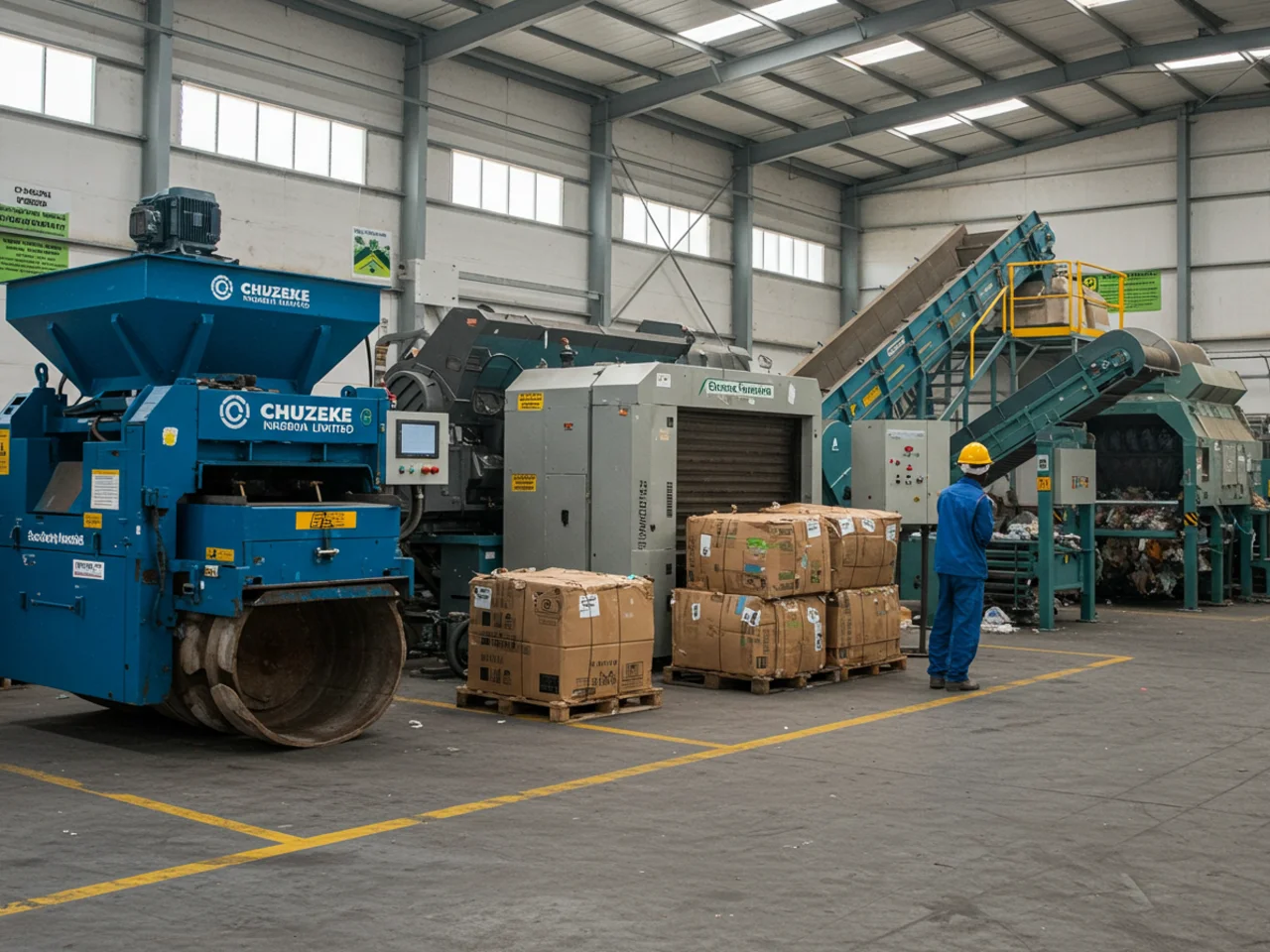
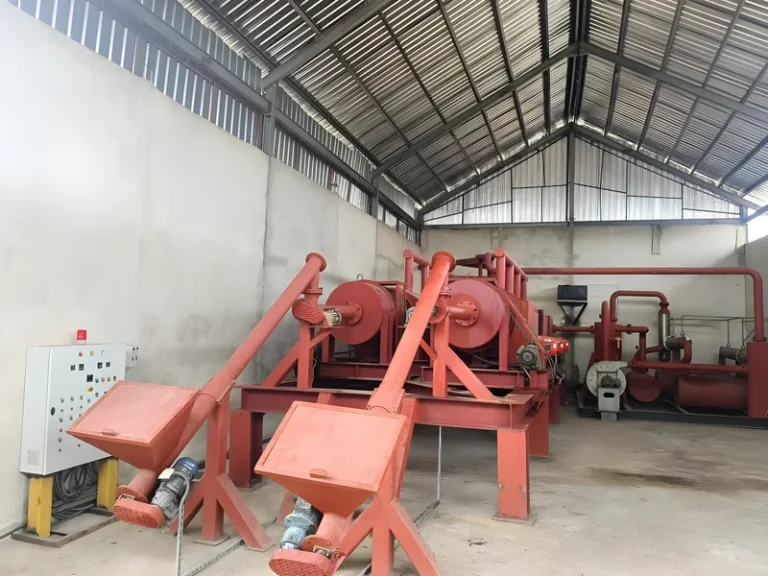
Quality fabrication of waste management equipment ensures NESREA compliance and reliable operation. Chuzeke Nigeria Limited specializes in fabricating rotary kiln incinerators, pyrolysis plants, and thermal desorption units that meet both local and international standards for Nigerian waste management operations.
Medical Facilities and Specialized Equipment
Medical equipment requires sanitary construction, corrosion resistance, and precise dimensions. Stainless steel dominates healthcare fabrication for its cleanability and biocompatibility.
TIG welding creates smooth, sanitary joints without contamination risks. The process produces the clean welds required in pharmaceutical and medical applications.
Laser cutting delivers precise dimensions for complex medical device components. The process creates intricate patterns without heat distortion on thin stainless steel.
Electropolishing finishing removes surface contamination and creates the smooth, non-porous surfaces required in medical environments. Fabrication methods must produce surfaces that electropolishing can effectively finish.
Working with Metal Fabrication Companies in Port Harcourt
Choosing the right metal fabrication method means partnering with fabricators who can execute it properly. Evaluation criteria ensure you select capable partners.
Evaluating Fabricator Experience and Certifications
Check the fabricator’s experience in your specific industry. Oil field equipment requires different expertise than building structures. Ask for examples of similar projects completed successfully.
Certifications verify capabilities. ASME certifications for pressure vessels, AWS-certified welders, and ISO 9001 quality systems indicate professional fabrication operations. These certifications mean the fabricator maintains documented procedures and quality controls.
Nigerian fabricators serving international clients typically hold relevant certifications. Local-only operators may lack formal certifications while still providing quality work. Visit facilities to assess equipment capabilities and worker skills directly.
Quality Standards and Compliance Requirements
Quality requirements vary by application. Structural steel needs AWS D1.1 compliance. Pressure vessels require ASME Section VIII. Medical equipment demands sanitary construction standards.
Verify the fabricator’s quality control procedures. Documented weld procedures, material certifications, and inspection records demonstrate systematic quality management.
Request information about inspection capabilities. In-house non-destructive testing equipment (ultrasonic, radiography, dye penetrant) indicates serious quality commitment. Outsourced inspection services work if the fabricator uses reputable third parties.
Lead Times and Production Capacity
Match fabricator capacity to your project timeline. Large shops with multiple welding stations and cutting equipment handle bigger jobs faster. Smaller specialized fabricators may deliver better quality on custom work despite longer timelines.
Ask about the current shop loading. Fabricators running at capacity may delay your project. Those with available capacity can often accelerate schedules.
Material availability affects lead times. Common steel grades ship quickly from Nigerian suppliers. Exotic materials or special finishes may require imports, adding weeks to schedules.
Post-Fabrication Support and Maintenance
Equipment performance depends on proper installation and ongoing maintenance. Choose fabricators who support their work after delivery.
Installation services ensure proper setup. Complex equipment like waste management systems requires expert installation for safe, compliant operation. Fabricators familiar with the equipment they built install it correctly.
Training on equipment operation and maintenance prevents user errors and extends service life. Fabricators should provide documentation and hands-on instruction.
Spare parts availability and repair services matter for long-term operation. Working with Nigerian fabricators provides access to local support when equipment needs service.
Common Mistakes to Avoid When Selecting Fabrication Methods
Learning from others’ errors saves time and money:
Choosing based solely on the lowest price – The cheapest fabrication option often uses inferior materials or shortcuts that cause failures. Evaluate the total cost of ownership, not just the initial purchase price.
Ignoring local environmental conditions – Fabrication methods suitable for dry climates fail in Port Harcourt’s humid, corrosive environment. Factor climate into material and finish selection.
Specifying unnecessary precision – Paying for laser cutting tolerances on components that function fine with plasma cut edges wastes budget. Match precision to actual requirements.
Overlooking finishing requirements – Cutting or forming methods may create conditions that prevent effective coating. Plan finishing processes during method selection, not afterward.
Failing to verify fabricator capabilities – Assuming a fabricator can handle your project without checking certifications, equipment, and experience leads to disappointing results. Visit facilities and review qualifications before committing.
Neglecting regulatory compliance – Equipment that doesn’t meet NESREA standards or industry codes creates legal liability and may not pass inspections. Specify compliance requirements upfront.
Choosing the right metal fabrication method determines your project’s success. Stop dealing with equipment failures and project delays caused by poor fabrication choices. Partner with Port Harcourt’s leading metal fabrication experts who understand Nigerian industrial conditions. Request a fabrication quote and get professional guidance on selecting the optimal methods for your specific application.
Frequently Asked Questions About Metal Fabrication Selection
What’s the best fabrication method for outdoor equipment in Port Harcourt?
Methods that accommodate robust corrosion protection work best. Hot-dip galvanizing provides maximum corrosion resistance but requires fabrication designed for the galvanizing process. Powder coating over properly prepared surfaces also performs well. The fabrication method matters less than ensuring proper surface preparation and coating application.
How do I choose between laser and plasma cutting?
Material thickness drives this decision. Laser cutting excels on materials under 20mm when you need precision and clean edges. Plasma cutting handles thicker materials (up to 150mm) more economically. For structural steel and heavy plate common in construction and oil field applications, plasma delivers adequate quality at a lower cost.
Should I use local Port Harcourt fabricators or import equipment?
Local fabricators understand Nigerian operating conditions and provide accessible support. Chuzeke Nigeria Limited combines international quality standards with deep knowledge of Port Harcourt industrial challenges. Imported equipment often lacks proper support networks and may not be designed for local environmental conditions.
What certifications should my fabricator have?
Required certifications depend on your application. Pressure vessels need ASME certification. Structural steel requires AWS-certified welders. ISO 9001 demonstrates quality management systems. At minimum, verify welders hold current certifications for the processes and materials your project uses.
How does production volume affect fabrication method selection?
Low volumes (under 50 pieces) suit flexible processes like laser cutting and manual welding. Medium runs (50-500) benefit from CNC automation. High volumes (500+) justify dedicated tooling like progressive dies. The breakeven point depends on part complexity and setup costs.
What’s the typical lead time for custom metal fabrication in Port Harcourt?
Simple jobs (cutting and basic welding) may be completed in 1-2 weeks. Complex assemblies requiring multiple processes take 4-8 weeks. Projects needing special materials or extensive finishing can extend to 12+ weeks. Lead times vary by fabricator capacity and current workload.


Partner with Nigeria's Leading Metal Fabrication company
Stop dealing with equipment failures and project delays. Get reliable waste management and oil field equipment engineered for Nigerian industrial conditions. We’re ready to build.