

Medical Waste Management in Nigeria: Disposal, Equipment, and Compliance (2025)
Managing medical waste in Nigeria is not just about keeping a hospital clean; it is a critical operation that protects public health and ensures your facility remains open. From small clinics in Port Harcourt to large federal medical centres in Lagos, the challenge remains the same: how do you safely dispose of hazardous materials without breaking the bank or violating strict environmental laws?
If you are a hospital administrator or a waste management contractor, you know the stakes. Improper disposal leads to the spread of deadly pathogens like Lassa fever and Hepatitis. It also invites heavy fines from regulatory bodies like NESREA.
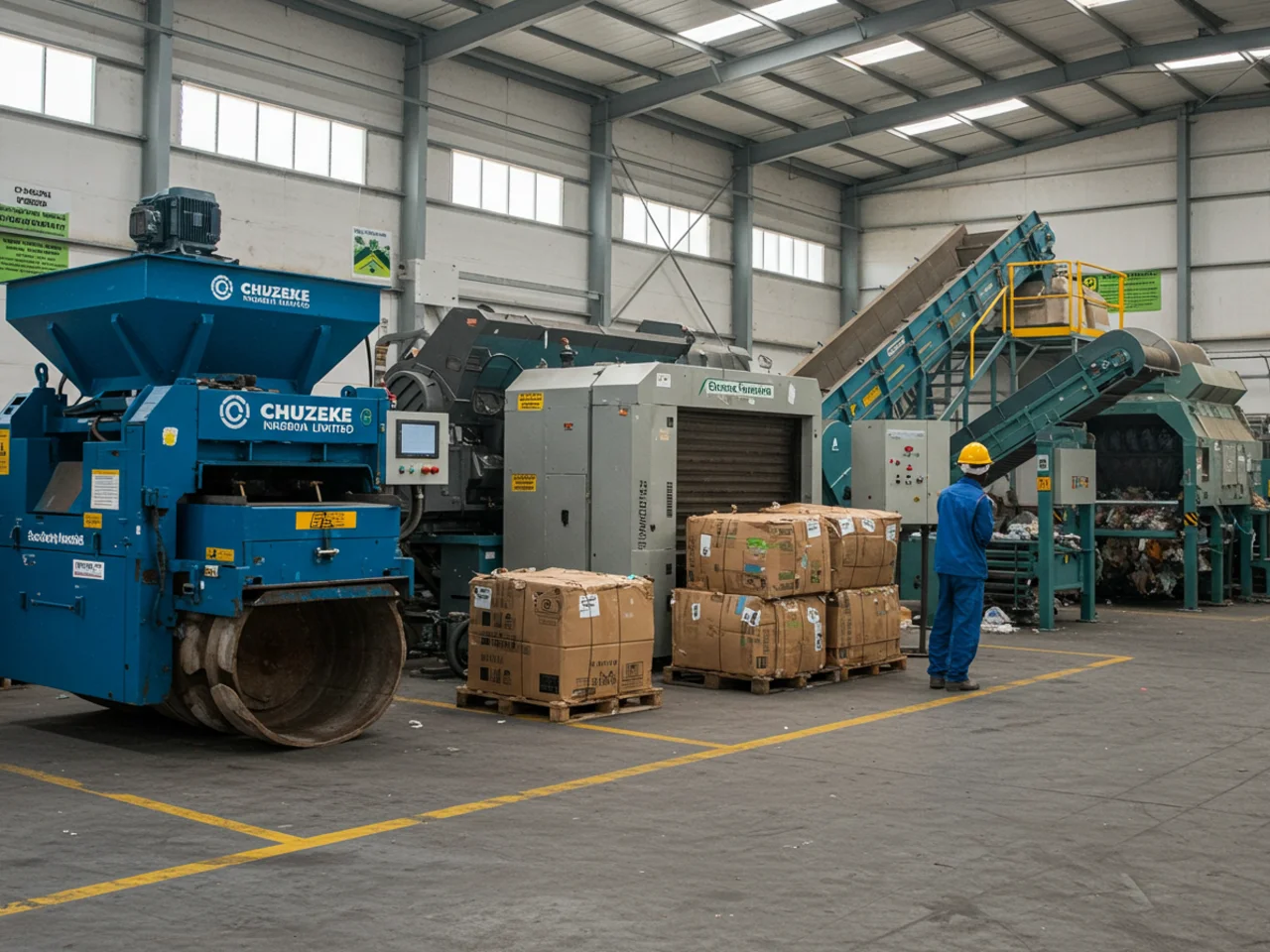
This detailed article explains exactly how to handle healthcare waste, the equipment you need, and why local engineering solutions from Chuzeke Nigeria Limited offer a reliability that imported machines cannot match.
What is Medical Waste?
Before you can treat it, you must identify it. Medical waste refers to any byproduct generated during the diagnosis, treatment, or immunization of humans or animals. In Nigeria, we categorize these streams to determine the correct medical waste disposal method.
Infectious and Hazardous Waste
This is the most critical category. It includes materials that carry pathogens—bacteria, viruses, parasites, or fungi—in sufficient concentrations to cause disease.
Examples: Soiled cotton wool, used bandages, gloves, and cultures from laboratory work.
Disposal Strategy: These items require high-temperature incineration to destroy the pathogens completely.
Sharps and Pathological Waste
“Sharps” are items that can puncture or cut. They are doubly dangerous because they can inject pathogens directly into the bloodstream.
Examples: Needles, syringes, scalpels, and broken glass ampoules.
Pathological waste refers to human tissues, organs, body parts, and fluids removed during surgery or autopsy. Both categories demand rigid containment and immediate destruction.
General and Pharmaceutical Waste
Not everything in a hospital is biohazardous. In fact, the World Health Organization (WHO) says about 85% of waste is “general” (paper, packaging, food waste). However, pharmaceutical waste (expired drugs, vaccines) poses a chemical risk and must never enter the municipal water system.
The Risks of Improper Medical Waste Disposal in Nigeria
Why is solid waste management in healthcare so strictly regulated? The consequences of cutting corners are severe.
Public Health Dangers
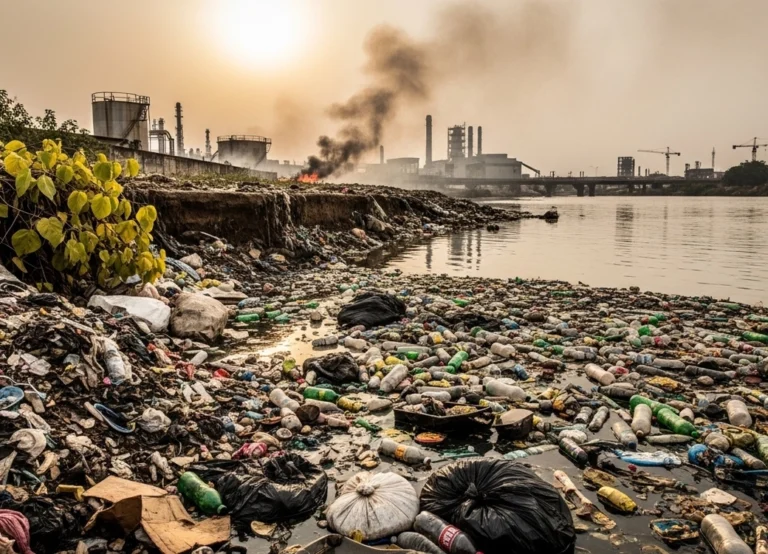
When hospitals dump untreated waste in open pits or general landfills, scavengers often come into contact with it. This creates a direct transmission route for HIV, Hepatitis B, and Hepatitis C. In Nigeria, the Nigeria Centre for Disease Control (NCDC) frequently reports on Lassa fever outbreaks, emphasizing that poor environmental hygiene and improper waste handling significantly contribute to the spread of such infectious diseases. Owing to the fact that this diseases are recurrent, proper medical waste treatment is a national security issue.
Environmental Impact
Leachate from decomposing medical waste can seep into groundwater, contaminating local wells and boreholes. Furthermore, burning plastics and PVC (like IV bags) at low temperatures releases dioxins and furans, toxic chemicals linked to cancer and reproductive issues.
Legal Consequences
The National Environmental Standards and Regulations Enforcement Agency (NESREA) has the power to seal facilities that violate environmental laws.
If your facility is caught dumping red-bag waste in a general skip, you face massive fines, legal action, and reputational damage that could shut down your operations.
Medical Waste Disposal Methods That Work
To stay compliant, you need the right technology. Here is how modern facilities handle the load.
Incineration: The Gold Standard for Hospitals
Medical waste incinerators are the most effective way to treat infectious and pathological waste. A proper incinerator does two things: it reduces the waste volume by up to 90% and sterilizes the ash, making it safe for landfill.
For Nigerian hospitals, a dual-chamber incinerator is ideal. The primary chamber burns the waste, while the secondary chamber burns the smoke and gases at temperatures above 1000°C, ensuring no toxic emissions escape.
Thermal Desorption: Advanced Separation Technology
For specific industrial or oily medical wastes, thermal desorption units offer a different approach. Instead of burning, these units use heat to separate contaminants from solid material. Chuzeke Nigeria Limited fabricates these units in Port Harcourt, primarily for the oil and gas sector, but the technology applies to specific hazardous sludge streams in healthcare.
Autoclaving and Chemical Treatment
Autoclaves use high-pressure steam to sterilize waste. While effective for some plastics and glass, they do not reduce the volume of the waste significantly and cannot handle pathological body parts. This often makes incineration the more practical choice for comprehensive hospitals.
Selecting the Right Medical Waste Management Equipment
Buying waste equipment is a major capital investment. Making the wrong choice can cost millions in repairs.
Why Local Fabrication Beats Importation
Many Nigerian facilities import incinerators from China or Europe. The problems start when a part fails. Shipping a replacement heating element or control board can take weeks or months. During that downtime, waste piles up, and the smell and risk grow.
At Chuzeke Nigeria Limited, we fabricate our equipment locally using high-grade Nigerian steel and readily available components.
- Durability: Our machines are built for the Nigerian climate (humidity and heat), not for a European winter.
- Support: If you need a part, we ship it from Port Harcourt the same day.
- Customization: We build to your capacity needs, whether you are a small clinic or a teaching hospital.
Chuzeke Rotary Kiln Incinerators
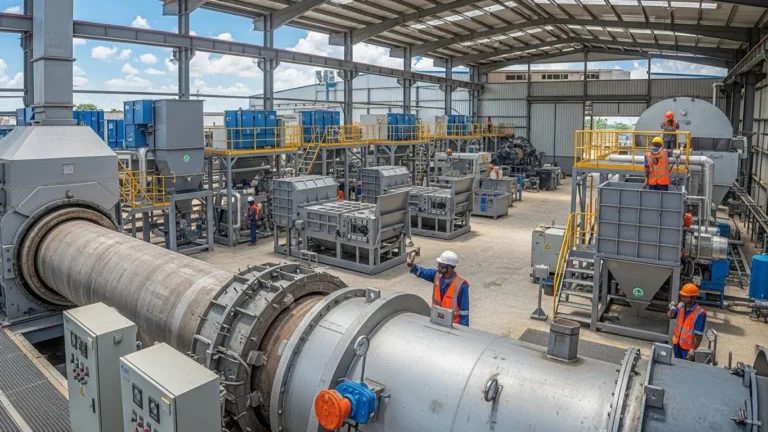
Our flagship medical waste disposal equipment is the Rotary Kiln Incinerator.
The rotating drum ensures that waste tumbles and mixes, guaranteeing even burning and destruction. It handles wet waste, plastics, and pathological materials with ease.
Maintenance and Spare Parts Availability
We provide a complete maintenance schedule and train your staff on-site. You never have to worry about reading a manual in a foreign language or waiting for technical support from a different time zone.
Step-by-Step Compliance with Nigerian Regulations
Color-Coding and Segregation Rules
Compliance starts at the bedside. You must segregate waste using the standard color codes:
- Yellow: Infectious waste.
- Red: Highly infectious/Pathological waste.
- Brown: Chemical/Pharmaceutical waste.
- Black: General (municipal) waste.
- Yellow Safety Box: Sharps.
Transportation and Manifesting
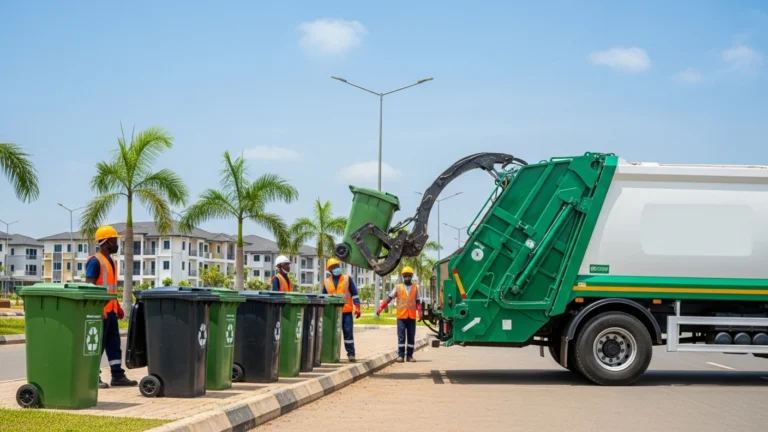
If you use a third-party waste management company, ensure they are licensed by NESREA and the relevant state authority (e.g., Rivers State Waste Management Agency (RIWAMA) or LAWMA in Lagos).
You must maintain a “waste manifest”—a paper trail that proves exactly how much waste left your facility and where it went.
Frequently Asked Questions (FAQs) on Medical Waste Management
Does Chuzeke manufacture incinerators for small clinics?
Yes. We fabricate waste management equipment ranging from small 50kg/hour units for clinics to massive industrial incinerators for central processing facilities.
Can we install a Chuzeke incinerator in a residential area?
Our units come with advanced emission control systems (scrubbers) that minimize smoke and smell, making them suitable for urban hospitals, provided you follow setback regulations.
What is the lifespan of a locally fabricated incinerator?
With proper maintenance, a Chuzeke incinerator with a high-temperature refractory lining can last over 10 years, comparable to imported brands but with lower operating costs.
Secure Your Medical Facility’s Future
Medical waste management is not optional; it is a vital part of your healthcare delivery. Relying on open burning or unreliable contractors puts your patients and your license at risk.
Chuzeke Nigeria Limited offers you a permanent solution. Our locally manufactured, NESREA-compliant incinerators and waste equipment give you control over your waste stream. You get world-class engineering with local support.
Are you ready to upgrade your waste management system? Contact Chuzeke Nigeria Limited today.
Let us build a disposal solution that works as hard as you do.
Partner with Nigeria's Leading Waste Equipment Fabrication company
Stop dealing with equipment failures and project delays. Get reliable waste management and oil field equipment engineered for Nigerian industrial conditions. We’re ready to build.