

Understanding Municipal Solid Waste: Collection, Treatment, and Disposal
Municipal solid waste touches every aspect of daily life. Every discarded item, from kitchen scraps to office paper, becomes part of a complex system designed to protect public health and preserve the environment. Managing this waste stream requires coordinated collection, treatment, and disposal methods that balance operational efficiency with environmental responsibility.
The waste your household generates joins millions of tons produced across Nigeria each year. Understanding how this material moves from your doorstep through collection systems, treatment facilities, and final disposal sites helps you make informed decisions about waste reduction and proper disposal practices.
What is Municipal Solid Waste?
Municipal solid waste consists of everyday materials discarded by households, businesses, and institutions within a municipality. The U.S. Environmental Protection Agency defines MSW as solid waste resulting from municipal, community, commercial, institutional, and recreational activities. This includes garbage, rubbish, street cleanings, and other non-industrial solid waste.
The composition of MSW varies by location and economic conditions. In developed nations, paper and packaging materials often dominate the waste stream, comprising up to 40 percent of total MSW by weight. Food waste accounts for another 24 percent in countries like the United States, according to data from the University of Michigan Center for Sustainable Systems.
Nigerian waste streams show different patterns. Research published in Scientific Reports found that over 50 percent of waste generated in Nigerian cities consists of recyclable materials, which include plastics, metals, and paper.
Organic waste comprises over 30 percent of the total stream. Per capita waste generation in Nigerian cities ranges from 0.44 to 0.66 kilograms per person daily, based on studies by Ogwueleka.
MSW does not include industrial process waste, agricultural waste, medical hazardous waste, radioactive materials, or sewage sludge. These specialized waste types require separate handling protocols and disposal facilities due to their unique characteristics and potential dangers.
The Waste Management Hierarchy
The EPA developed a waste management hierarchy that ranks handling methods from most to least environmentally preferred. This framework guides decision-making for municipalities, businesses, and households.
Source reduction sits at the top of the hierarchy. Preventing waste generation eliminates the need for collection, treatment, and disposal. Buying products with minimal packaging, choosing reusable items over disposables, and extending product life through repair reduce the waste stream before it forms.
Reuse follows source reduction. Items that maintain functionality serve new purposes without processing. Furniture donation, appliance refurbishment, and container reuse keep materials in circulation while avoiding resource extraction for new products.
Recycling and composting occupy the middle tier. These processes convert discarded materials into valuable resources. Recycling transforms paper, plastic, glass, and metal into raw materials for manufacturing. Composting converts organic matter into soil amendments that improve agricultural productivity.
Energy recovery through waste-to-energy facilities ranks fourth. Modern incineration plants capture heat from combustion to generate electricity or steam. This approach reduces waste volume by 75 to 85 percent while producing usable energy, according to research published by the University of Michigan.
Treatment and disposal form the final tier. When materials cannot be reduced, reused, recycled, or converted to energy, they require safe disposal in engineered landfills designed to prevent environmental contamination.
Municipal Solid Waste Collection Systems
Collection represents the most visible and labor-intensive component of waste management. This process accounts for approximately 75 percent of total solid waste management costs, as noted in technical literature from Britannica.
Residential Collection Methods
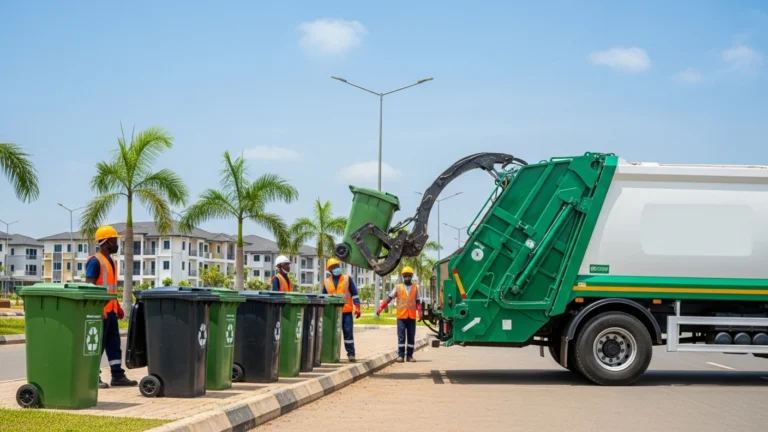
Curbside collection serves as the primary method in developed areas. Homeowners place waste containers at designated pickup points on scheduled days. Specialized collection vehicles with compaction systems transport materials to transfer stations or disposal facilities.
Collection vehicles come in several configurations. Rear-loading trucks accommodate manual loading by one or two workers who empty containers into the back of the vehicle. Side-loading vehicles use mechanical arms operated by a single driver to lift and empty standardized bins. Front-loading trucks serve commercial dumpsters using hydraulic forks that lift and tip containers over the cab.
Modern collection systems increasingly incorporate automated technology. Radio frequency identification tags track container pickup times and locations. GPS systems optimize collection routes to minimize fuel consumption and vehicle wear. Smart sensors in containers notify haulers when bins reach capacity, enabling demand-based collection schedules.
Commercial and Industrial Collection
Businesses generate larger waste volumes requiring different handling approaches. Commercial establishments use dumpsters ranging from 2 to 8 cubic yards in capacity. Collection typically occurs multiple times weekly based on waste generation rates.
Industrial facilities often contract private haulers for specialized collection services. Construction sites, manufacturing plants, and large institutions generate waste streams with unique compositions requiring custom collection schedules and equipment.
Collection in Nigerian Cities
Nigerian MSW collection faces distinct challenges. Research by Iorhemen et al. documents that collection services fail to reach unplanned areas and slums due to poor street networks. Even some planned neighborhoods lack regular collection coverage.
The informal sector plays a significant role in Nigerian waste collection. Individual waste pickers and small hauling operations collect and transport materials, though government waste management authorities rarely recognize these activities officially.
Collection efficiency suffers from insufficient vehicles, irregular fuel supply, poor road conditions, and a lack of transfer stations. These constraints result in uncollected waste accumulating in streets, drainage channels, and unofficial dump sites.
Transfer Stations and Transportation
Transfer stations serve as intermediate facilities where collection vehicles unload waste for consolidation onto larger transport equipment. This system reduces transportation costs for long-distance hauling to treatment or disposal facilities.
At transfer stations, smaller collection trucks tip their loads onto a tipping floor or into a hopper. Workers or automated systems may conduct preliminary sorting to remove recyclables or hazardous materials. Front-end loaders or conveyor systems transfer the waste into large semi-trailers, railway cars, or barges for transport to landfills or processing facilities.
Transfer stations improve collection system efficiency by reducing the distance collection vehicles travel to disposal sites. Trucks spend more time on collection routes rather than making long trips to distant landfills. The consolidation process also reduces the number of vehicle trips required, lowering fuel consumption and vehicle emissions.
Well-designed transfer stations incorporate odour control systems, dust suppression equipment, and stormwater management.
Enclosed buildings with negative air pressure prevent odours from escaping. Water sprays minimize dust generation during waste handling. Paved surfaces with proper drainage collect runoff for treatment before discharge.
Treatment Technologies for Municipal Solid Waste
Treatment processes reduce waste volume, recover valuable materials, and prepare materials for safe disposal. Multiple technologies address different waste stream components and local management objectives.
Recycling and Material Recovery
Material recovery facilities sort mixed recyclables into commodity streams suitable for reprocessing. Manual sorters and mechanical equipment separate paper, cardboard, plastic, glass, and metal based on physical properties, including size, density, and magnetic characteristics.
Modern facilities employ optical sorting systems that identify materials using infrared sensors. Eddy current separators remove aluminum and other non-ferrous metals from the waste stream. Air classifiers separate light materials such as plastic film from heavier items.
Recovered materials undergo processing to meet manufacturing specifications. Glass breaks into cullet for container production. Plastic bales by resin type for conversion into new products. Paper pulps for the production of recycled content products. Metal melts in foundries to produce new metal goods.
Nigeria’s waste stream contains significant recyclable material, but formal recycling infrastructure remains limited. Markets exist for recovered materials, but collection and processing capacity require expansion to capture the full value of recyclable waste components.
Composting Processes
Composting converts organic waste into stable soil amendments through controlled biological decomposition. This aerobic process requires a proper balance of carbon-rich and nitrogen-rich materials, adequate moisture, oxygen supply, and appropriate temperature ranges.
Windrow composting arranges organic materials in long rows, or piles turned periodically to maintain oxygen levels. This method suits large-scale operations processing yard waste, agricultural residues, and food scraps. The composting process typically requires 2 to 6 months, depending on materials, turning frequency, and environmental conditions.
In-vessel composting systems process organic waste in enclosed containers or buildings. These facilities control temperature, moisture, and airflow to accelerate decomposition while managing odours and protecting materials from weather. Forced aeration systems supply oxygen throughout the composting mass. Temperature monitoring ensures conditions remain in the thermophilic range where beneficial microorganisms thrive, and pathogens die off.
Composting diverts organic materials from landfills, reducing methane emissions and extending landfill capacity. The finished compost improves soil structure, increases water retention, and supplies nutrients for plant growth. Agricultural applications value compost for its ability to build soil organic matter and support crop production.
Waste-to-Energy Technologies
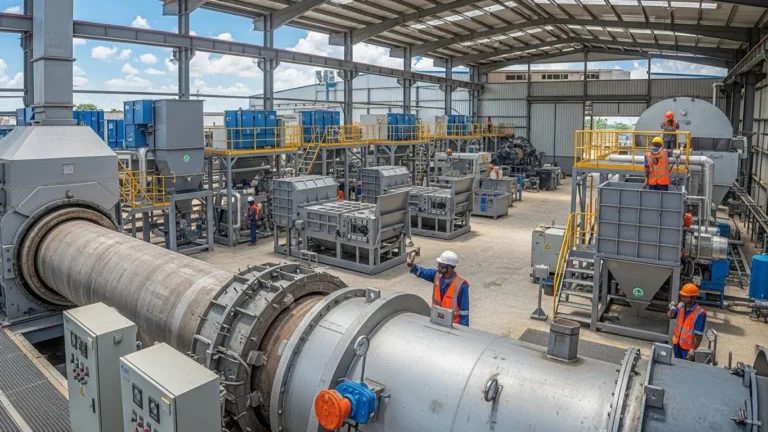
Incineration with energy recovery converts combustible waste into heat and electricity. Modern waste-to-energy facilities burn refuse at temperatures exceeding 850 degrees Celsius in controlled environments with pollution control equipment.
The combustion process reduces waste volume by 85 to 95 percent, according to data from the University of Michigan. Bottom ash and fly ash require disposal, but the volume sent to landfills drops dramatically compared to untreated waste.
Heat from combustion produces steam that drives turbines for electricity generation. Some facilities supply steam directly to nearby industrial users or district heating systems. This energy recovery offsets fossil fuel consumption and reduces greenhouse gas emissions compared to landfilling organic materials.
Emission control systems remove pollutants from incinerator exhaust gases. Scrubbers capture acid gases. Fabric filters or electrostatic precipitators remove particulate matter. Activated carbon injection controls dioxin and mercury emissions. Modern facilities meet stringent air quality standards through multiple treatment stages.
Anaerobic Digestion
Anaerobic digestion breaks down organic waste in oxygen-free environments, producing biogas rich in methane. This renewable fuel can power engines, turbines, or boilers for electricity and heat generation.
The digestion process occurs in sealed tanks where bacteria decompose organic materials. Temperature control maintains optimal conditions for methane-producing microorganisms. Retention times range from several days to weeks, depending on waste characteristics and system design.
Biogas from anaerobic digestion typically contains 50 to 60 percent methane and 40 to 50 percent carbon dioxide. Gas cleaning removes impurities before combustion or injection into natural gas pipelines. The solid and liquid residues from digestion, called digestate, provide valuable soil amendments rich in nutrients.
Anaerobic digestion handles food waste, agricultural residues, and sewage sludge. The process operates at smaller scales than composting, making it suitable for institutions, food processors, and farms with concentrated organic waste sources.
Disposal Methods for Municipal Solid Waste
Disposal provides the final destination for waste materials that cannot be recycled, composted, or converted to energy. Proper disposal protects public health and prevents environmental contamination.
Sanitary Landfills
Modern sanitary landfills bear little resemblance to open dumps. These engineered facilities incorporate multiple protective systems to contain waste and prevent pollution.
Bottom liners form impermeable barriers between waste and the underlying soil and groundwater. Liner systems typically include clay layers at least one meter thick or composite liners combining clay with synthetic membranes. The EPA requires minimum distances between the landfill bottom and the seasonal high groundwater table.
Leachate collection systems sit above the liner to capture liquid that forms when precipitation filters through waste. Perforated pipes collect leachate and transport it to treatment facilities. Monitoring wells surrounding the landfill detect any leachate escape so corrective action can begin immediately.
Daily operations require covering each day’s waste deposit with soil to control odors, deter pests, and reduce fire risk. Waste arrives at the working face where it spreads in thin layers and compacts with heavy equipment. The compacted layers, called cells, stack to form waste units.
Gas collection systems capture methane generated by decomposing organic matter. Vertical wells or horizontal collectors extract landfill gas for treatment. Beneficial use projects convert the gas into electricity or sell it as pipeline-quality fuel. Flaring destroys methane when beneficial use options are unavailable.
Final covers cap completed landfill sections to exclude rainwater and minimize gas migration. The cover system typically includes a drainage layer, a low-permeability barrier, and vegetated topsoil. Post-closure care continues for 30 years or more with monitoring, maintenance, and environmental testing.
Open Dumping Challenges
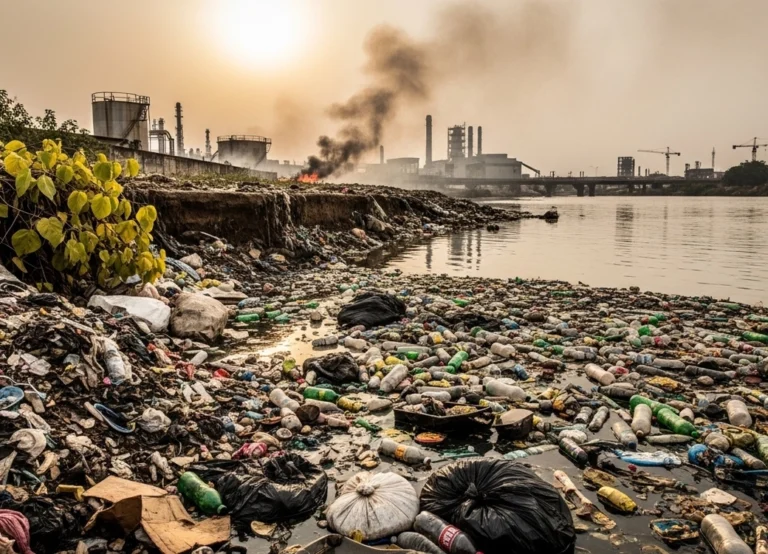
Open dumping, still common in Nigeria and other developing nations, creates serious environmental and health problems. Waste deposited in uncontrolled sites attracts disease vectors, contaminates water supplies, and generates uncontrolled fires.
Research by Abila and Kantola notes that open dumping remains the predominant waste disposal method across Nigerian cities.
Waste accumulates along roadsides, in drainage channels, and at unofficial dump sites lacking environmental controls.
Converting from open dumping to engineered landfills requires investment in site development, equipment, and trained personnel. International development organizations and national governments increasingly recognize sanitary landfills as essential infrastructure for public health protection.
Transfer to Engineered Facilities
Transfer to properly designed and operated facilities provides the most protective disposal option. These facilities incorporate the liner systems, leachate management, gas collection, and monitoring programs that prevent environmental contamination.
Site selection considers geology, hydrology, transportation access, buffer zones, and community impact. Suitable locations provide natural protection through low-permeability soils and adequate distance from water supplies. Good road access allows waste transport vehicles to reach the site efficiently.
Environmental Impacts of Municipal Solid Waste Management
Waste management decisions affect air quality, water resources, soil health, and climate. Understanding these impacts helps guide system design and operation.
Landfills generate methane, a greenhouse gas 25 times more potent than carbon dioxide over 20 years. The EPA reports that landfills represent the third-largest source of human-related methane emissions in the United States, accounting for 14 percent of total methane output in 2022.
Leachate from poorly designed landfills contaminates groundwater with dissolved metals, organic compounds, and nutrients. Proper liner systems and leachate collection prevent this pollution, but older facilities and illegal dumps continue releasing contaminants.
Waste transportation generates air emissions and noise. Collection vehicles consume fuel and emit exhaust while traveling collection routes and hauling waste to facilities. Route optimization and fleet modernization reduce these impacts.
Recycling and composting provide environmental benefits by avoiding virgin resource extraction and landfill emissions. Composting diverts organic matter from anaerobic landfill conditions, preventing methane formation while creating useful soil products.
Best Practices for Waste Management
Effective MSW management requires coordinated efforts from government agencies, private companies, and individual citizens. Several practices improve system performance across collection, treatment, and disposal operations.
Source separation programs ask residents and businesses to sort waste at the point of generation. Separate containers for recyclables, organics, and residual waste improve material quality and processing efficiency. Clear labeling and public education support participation and reduce contamination.
Pay-as-you-throw programs charge waste generators based on the volume or weight of refuse collected. Research shows these programs reduce waste generation by up to 44 percent when properly implemented, according to the University of Michigan’s factsheet on municipal solid waste.
Regular equipment maintenance keeps collection vehicles and treatment facility machinery operating reliably. Cleaning schedules prevent odor buildup and pest infestation. Inspection programs identify needed repairs before breakdowns occur.
Staff training ensures workers understand proper procedures for waste handling, equipment operation, and safety protocols. Trained personnel recognize hazardous materials, operate equipment efficiently, and respond appropriately to operational problems.
Data collection and monitoring track system performance. Measuring waste quantities by source and type identifies generation trends. Recycling rates, diversion percentages, and per capita generation rates provide benchmarks for improvement efforts.
The Role of Waste Management Equipment
Specialized equipment enables efficient collection, processing, and disposal of municipal solid waste. From collection vehicles to processing machinery, these tools form the backbone of modern waste management systems.
Collection vehicles include rear-loaders, side-loaders, and front-loaders designed for different waste sources and container types. Compaction mechanisms reduce waste volume during transport, increasing payload capacity and reducing trip frequency.
Transfer stations employ front-end loaders, conveyors, and compactors to consolidate waste for long-distance transport. These facilities may include sorting equipment to remove recyclables or problematic materials before disposal.
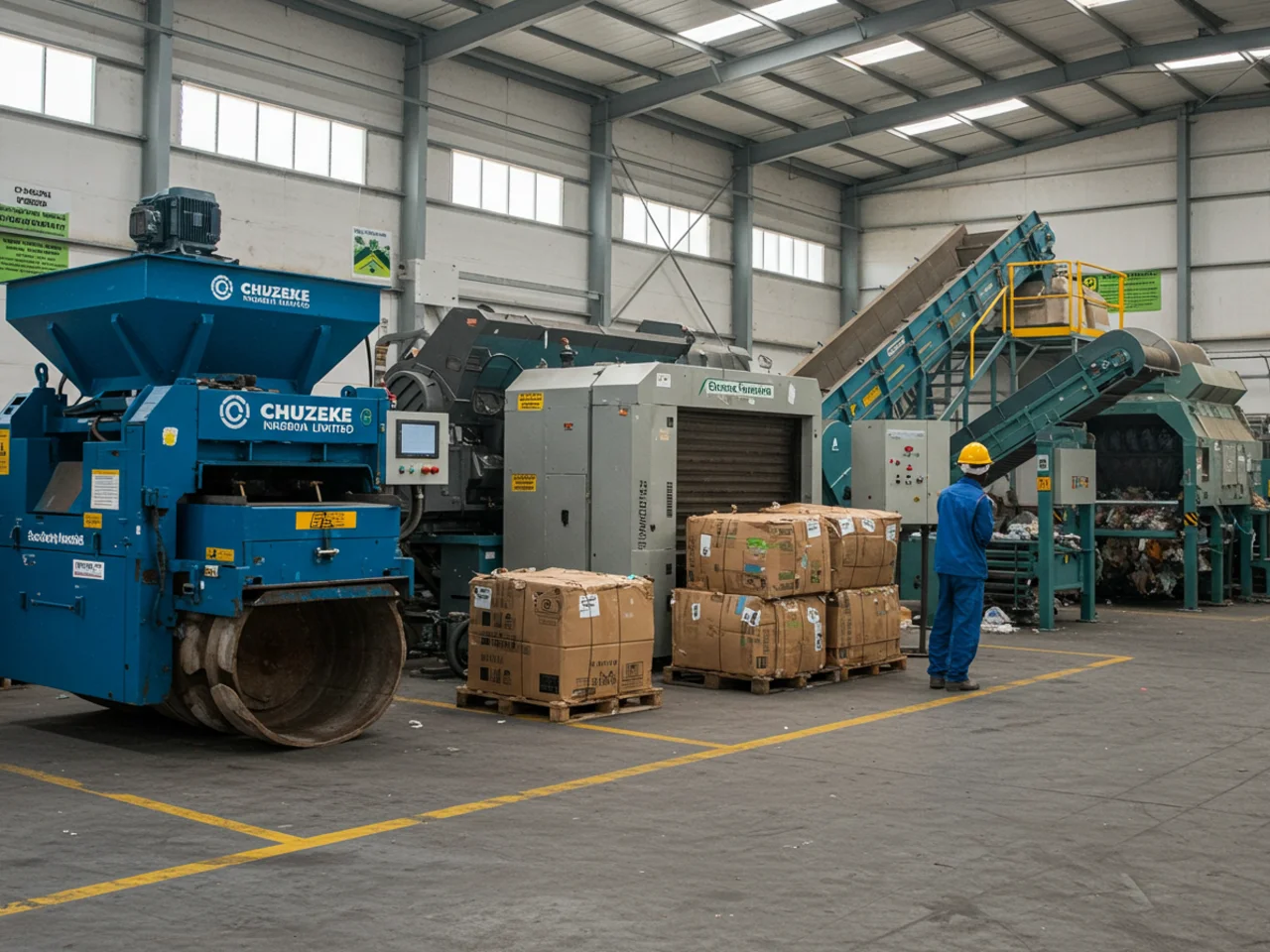
Processing facilities use various types of equipment depending on their function. Material recovery facilities deploy sorting screens, magnetic separators, optical sorters, and balers. Composting operations utilize grinders, mixers, turners, and screening systems. Incinerators incorporate combustion chambers, heat-recovery systems, and pollution-control equipment.
Landfills require compactors to compress waste into cells, excavators to shape working faces and construct covers, and bulldozers to spread daily cover material. Gas collection systems need pumps, flares, and treatment equipment.
For organizations seeking reliable waste management equipment, working with experienced fabricators ensures systems meet operational requirements and regulatory standards.
Chuzeke Nigeria Limited manufactures waste management equipment, including incinerators, composters, and specialized processing systems designed for Nigerian operating conditions.
Moving Forward with Better Waste Management
Understanding municipal solid waste collection, treatment, and disposal provides the foundation for improved waste management practices. Whether you manage waste for a household, business, or entire municipality, applying these principles reduces environmental impact and improves public health protection.
Implementing source reduction measures decreases the waste stream before collection. Participating in recycling and composting programs diverts valuable materials from disposal. Supporting investment in proper collection systems and disposal facilities protects communities and natural resources.
The challenge of waste management continues evolving as populations grow, consumption patterns change, and environmental awareness increases. Solutions require combining proven technologies with local conditions, regulatory requirements, and community needs.
For businesses and institutions generating significant waste volumes, proper equipment selection and management system design determine operational success. Working with qualified engineering and fabrication partners helps organizations develop solutions matching their specific requirements.
Chuzeke Nigeria Limited provides custom-engineered waste management equipment and comprehensive support services for organizations across Nigeria. Our team designs and fabricates systems for waste collection, treatment, and processing that deliver reliable performance in demanding operational environments.
Contact us to discuss your waste management needs and explore equipment solutions.
Partner with Nigeria's Leading Waste Equipment Fabrication company
Stop dealing with equipment failures and project delays. Get reliable waste management and oil field equipment engineered for Nigerian industrial conditions. We’re ready to build.