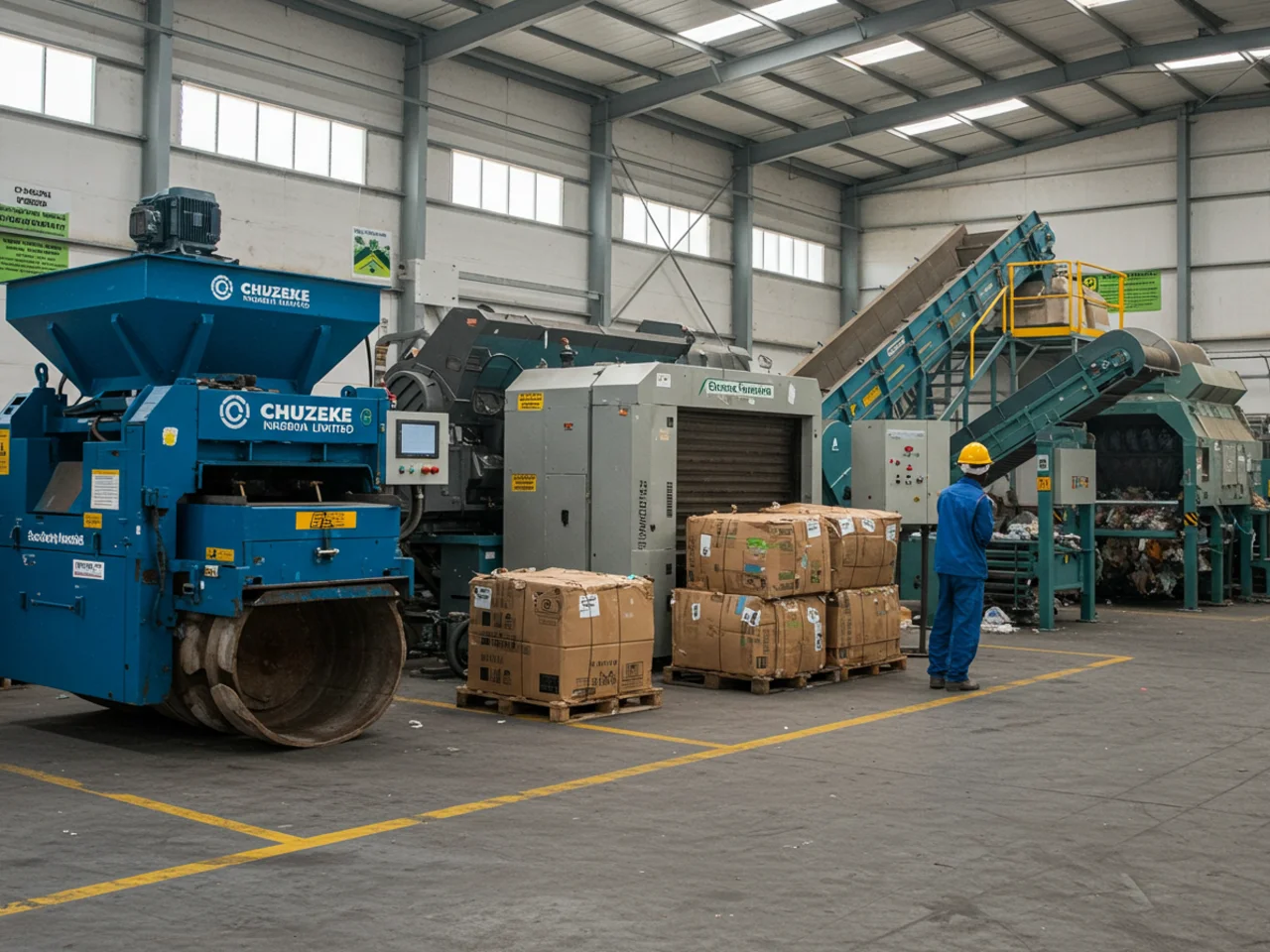
A pyrolysis plant in Nigeria is no longer a concept reserved for overseas factories. If your business generates waste tyres, plastic waste, or oil sludge, a locally fabricated pyrolysis plant can convert that waste into sellable fuel oil, carbon black, and combustible gas, right here in Nigeria.
Chuzeke Nigeria Limited, based in Port Harcourt, designs and builds pyrolysis plants for Nigerian industries, meeting NESREA standards from the ground up.
What Is a Pyrolysis Plant?
A pyrolysis plant breaks down organic waste materials using high heat in a low-oxygen or oxygen-free environment. This thermal decomposition process does not burn the waste. It converts it into useful by-products.
How the Pyrolysis Process Works
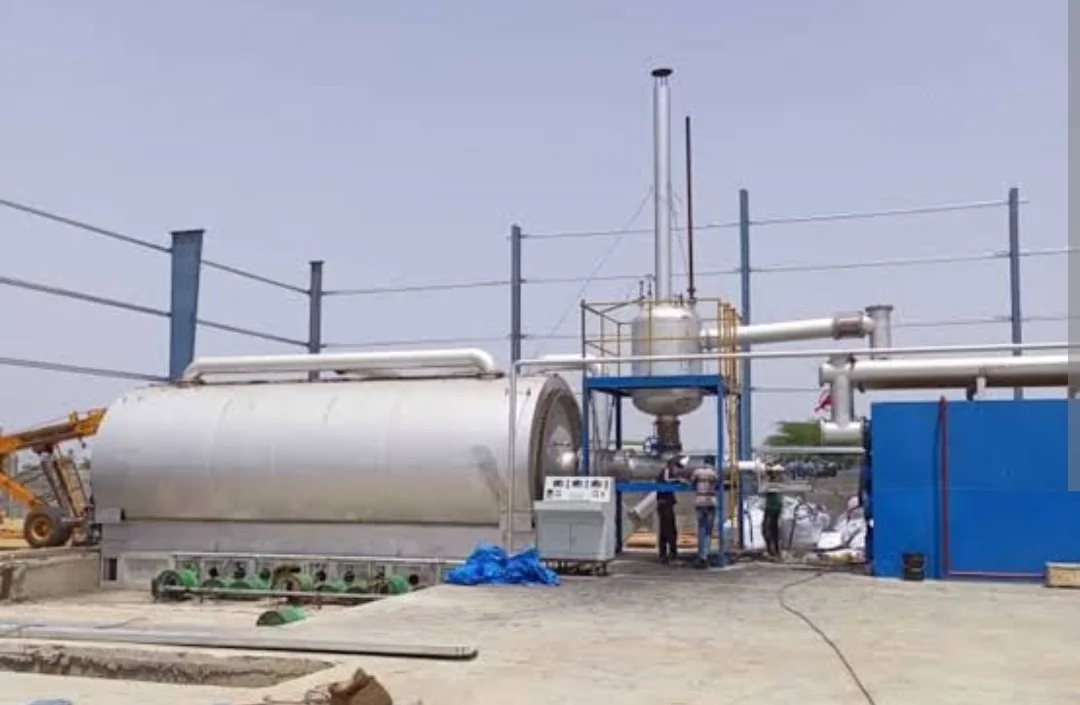
Waste feedstock enters a sealed reactor. Heat (typically 300°C–700°C) breaks apart long-chain molecules. The resulting vapors pass through a condensation system, which separates them into liquid fuel oil and combustible gas.
Solid residue — carbon black — exits separately. The process operates as a closed system, limiting harmful emissions when the plant is properly engineered.
Pyrolysis vs. Incineration: Key Differences
Incineration burns waste with oxygen, producing heat and ash. Pyrolysis decomposes waste without oxygen, producing fuel oil, gas, and carbon black. Pyrolysis plants recover more economic value from waste and generate fewer air pollutants when correctly designed and operated.
What Materials a Pyrolysis Plant in Nigeria Can Process
Waste Tyre Pyrolysis
Waste tyres have high oil yield, typically 40–45% by weight. Tyre pyrolysis produces fuel oil, carbon black, and steel wire. Nigeria has a consistent and low-cost tyre waste supply, making tyre recycling plants among the most profitable pyrolysis investments.
Plastic Waste Pyrolysis
Nigeria generates large volumes of plastic waste annually. Plastic pyrolysis converts polyethylene, polypropylene, and polystyrene into fuel oil. PVC and PET plastics require separate handling and are generally excluded from standard pyrolysis feedstocks.
What a Pyrolysis Plant Produces
Pyrolysis Oil (Fuel Oil)
Fuel oil is the primary product. It sells directly to industrial buyers: boiler operators, power plant operators, and factory managers. It can also be further distilled into diesel-grade fuel.
Carbon Black
Carbon black is the solid residue after pyrolysis. Ground into a fine powder, it sells to manufacturers of rubber products, paint, and ink. It can also be used as fuel.
Combustible Gas and Steel Wire
Combustible gas generated during pyrolysis can be recycled back into the reactor as heating fuel, cutting running costs. Steel wire, recovered from tyre pyrolysis, sells to steel products manufacturers.
Why Nigeria Needs Pyrolysis Plants Now
Nigeria produces millions of waste tyres and plastic products every year. Most end up dumped by roadsides, in rivers, or on empty land, creating fire hazards, flooding blockages, and public health risks. The Nigerian government has begun forming policies to address waste management and environmental protection, creating openings for private investment in waste-processing equipment.
Nigeria’s Fuel Opportunity From Waste
Nigeria is a major oil-producing country, yet fuel supply shortages persist. Pyrolysis oil from waste tyres and plastics fills a real market gap. Fuel oil from pyrolysis can power boilers, cement factories, and brick kilns. Further refining turns it into a non-standard diesel with strong local demand.
You can read more on our waste-to-energy solutions for Nigeria article.
NESREA Compliance: What You Must Get Right
In 2024, the Oyo State government shut down a tyre pyrolysis plant after routine monitoring found emissions exceeding NESREA limits, carbon black contamination outside the facility, and workers without PPE. The facility had no evidence of engagement with solid waste contractors.
This is the risk every pyrolysis plant operator in Nigeria faces when equipment is not built to environmental standards.
How Chuzeke Nigeria Builds Compliance Into Every Plant
Every pyrolysis plant Chuzeke Nigeria Limited fabricates includes engineered emission control systems: scrubbers, filters, and gas treatment units designed to meet NESREA air quality limits. Equipment designs go through ASME and ISO alignment checks.
Chuzeke’s team also provides operator training and compliance documentation, so your plant passes inspections from day one.
Why Choose a Locally Fabricated Pyrolysis Plant in Nigeria
Importing pyrolysis equipment into Nigeria attracts import duties of up to 35%, plus shipping costs that add a further 10–15% on top of the equipment price. When equipment breaks down, spare parts take months to arrive. Technical support comes from overseas teams who have never seen Nigerian operating conditions.
Here is why that matters: Nigerian heat, humidity, and continuous operation demands destroy equipment designed for other climates.
Local fabrication means materials, tolerances, and design choices all account for conditions in the Niger Delta and across Nigeria.
Chuzeke Nigeria Limited: Built in Port Harcourt for Nigerian Conditions
Chuzeke Nigeria Limited fabricates pyrolysis plants at its Port Harcourt facility, using high-grade steel and proven engineering processes. Every plant is custom-designed to match your feedstock volume, site conditions, and NESREA requirements. The team that builds your plant also handles installation, commissioning, and ongoing support, with no long-distance support contracts and no waiting months for parts.
You can see Chuzeke’s broader waste management equipment fabrication capabilities across rotary kiln incinerators, thermal desorption units, gasifiers, and more.
If you are ready to discuss a pyrolysis plant for your operation, contact Chuzeke Nigeria Limited for a custom project quote.
Frequently Asked Questions About Pyrolysis Plants in Nigeria
Is it legal to operate a pyrolysis plant in Nigeria?
Yes. Operating a pyrolysis plant in Nigeria is legal when you comply with NESREA emission standards, obtain the required environmental approvals, and maintain proper health and safety provisions for workers.
What is the best feedstock for a pyrolysis plant in Nigeria?
Waste tyres offer the highest oil yield and a consistent supply. Plastic waste and oil sludge are also strong feedstocks, depending on your location and access to waste streams.
Can a pyrolysis plant in Nigeria be profitable?
Yes. Waste feedstock is often available at low or zero cost in Nigeria. Fuel oil, carbon black, and steel wire all have active local buyers. A 10-ton-per-day tyre pyrolysis plant can generate substantial daily revenue. Contact Chuzeke for a site-specific feasibility analysis.
How long does it take to fabricate and install a pyrolysis plant?
Fabrication and installation timelines depend on plant size and site readiness. Chuzeke provides a detailed project schedule as part of the custom proposal process.
Why choose a locally fabricated pyrolysis plant over an imported one?
Local fabrication eliminates 35%+ import duties, removes spare-parts delays, and ensures your plant is designed for Nigerian operating conditions. Chuzeke’s Port Harcourt facility provides direct access to your project from design through to post-installation support.