

Sustainable Waste Management Practices for Homes and Businesses
Sustainable waste management practices are no longer optional for Nigerian homes and businesses. They are a direct response to a crisis. Nigeria generates approximately 32 million tonnes of solid waste per year, yet only 20 to 30 percent receives proper collection and management. That gap pollutes water sources, spreads disease, and exposes businesses to fines from NESREA ranging from ₦500,000 to ₦10,000,000.
The good news is that practical, affordable steps exist for every household and business. Chuzeke Nigeria Limited, Nigeria’s leading waste management equipment fabricator based in Port Harcourt, offers a detailed guide on sustainable waste practices, why they matter in Nigeria’s context, and how the right equipment supports them.
What Is Sustainable Waste Management?
Sustainable waste management encompasses practices that reduce waste generation at the source, recover valuable resources through recycling and composting, and ensure responsible final disposal. The approach follows the waste hierarchy: reduce first, then reuse, then recycle, then recover energy, and finally dispose responsibly.
Nigeria initiated its National Environmental Regulations in 2009, mandating sustainable household waste disposal. NESREA enforces compliance at the federal level. State agencies, including the Rivers State Environmental Protection Agency and the Lagos State Waste Management Authority, set additional standards.
Here is why this matters: ignoring sustainable waste practices does not just damage the environment. It brings fines, reputational harm, and operational shutdowns.
Why It Matters in Nigeria Right Now
Nigeria ranks as the tenth-largest producer of unmanaged plastic waste globally, accounting for 2.7 percent of the world’s total. The World Bank projects that Nigeria will become the largest generator of unmanaged plastic waste in Africa by 2050, according to the Nigeria Climate Innovation Centre. Evidence shows that the indiscriminate disposal of household solid waste is prevalent in Nigeria, contributing to public health hazards and environmental damage. Landfills and open dumps emit methane, a greenhouse gas 25 times more potent than carbon dioxide in trapping heat in the atmosphere.
For businesses, the cost is direct. Equipment failures, regulatory penalties, and reputational damage from poor waste handling drain budgets every year.
6 Sustainable Waste Management Practices for Nigerian Homes
1. Segregate Waste at the Source
Waste segregation means separating organic waste, recyclables (paper, plastics, metals, glass), and non-recyclable materials at the point of generation. In Nigeria, waste segregation is not popular, and all sorts of solid waste are found mixed in dumpsites and landfills across the country. Adopting it at home reduces disposal costs and makes recycling viable.
Use colour-coded bins: green for organic waste, blue for recyclables, red for hazardous items. Label each bin clearly so every household member takes part.
2. Compost Organic Waste
Food scraps and garden cuttings make up a large share of household waste in Nigeria. Composting converts them into nutrient-rich fertiliser rather than sending them to a dumpsite.
A simple bin in a compound corner handles kitchen and garden waste well. Turn the pile every few days and balance wet (food) and dry (leaves) materials. In Nigeria’s warm climate, compost matures in four to six weeks.
3. Reduce Single-Use Plastics
Replace plastic bags with reusable cloth bags, switch to glass or stainless steel containers, and buy products with minimal packaging. Each reduction cuts the volume of waste that must be collected, transported, and disposed of.
4. Use Licensed Waste Collection Services
Open dumping remains a public health hazard across Nigerian cities. Work with a waste contractor registered with your state environmental agency. Confirm the contractor separates recyclables, follows approved disposal routes, and provides collection receipts for your records.
5. Upcycle and Donate Usable Items
Before discarding furniture, electronics, or household goods, check whether they can be repaired, donated, or repurposed. This extends product life, reduces landfill volume, and saves the energy required to manufacture replacements.
6. Track Your Household Waste Output
Spend two weeks logging the types and amounts of waste your household generates. This simple audit reveals your biggest waste streams and focuses your reduction efforts where they deliver the most impact.
Sustainable Waste Management for Businesses
Conduct a Waste Audit First
Record waste by type (organic, paper, plastic, metal, hazardous), source (office, production floor, canteen), and volume over two weeks.
By understanding the volume and types of waste your organisation produces, you are better positioned to reduce hauling costs and negotiate waste and recycling services that fit your needs.
Implement a Waste Segregation Policy
Set up clearly labelled collection points across your facility. Assign a responsible staff member or green team to maintain standards and train new employees. Businesses that segregate at the source reduce disposal fees and unlock revenue from recovered recyclable materials.
Invest in the Right Waste Equipment
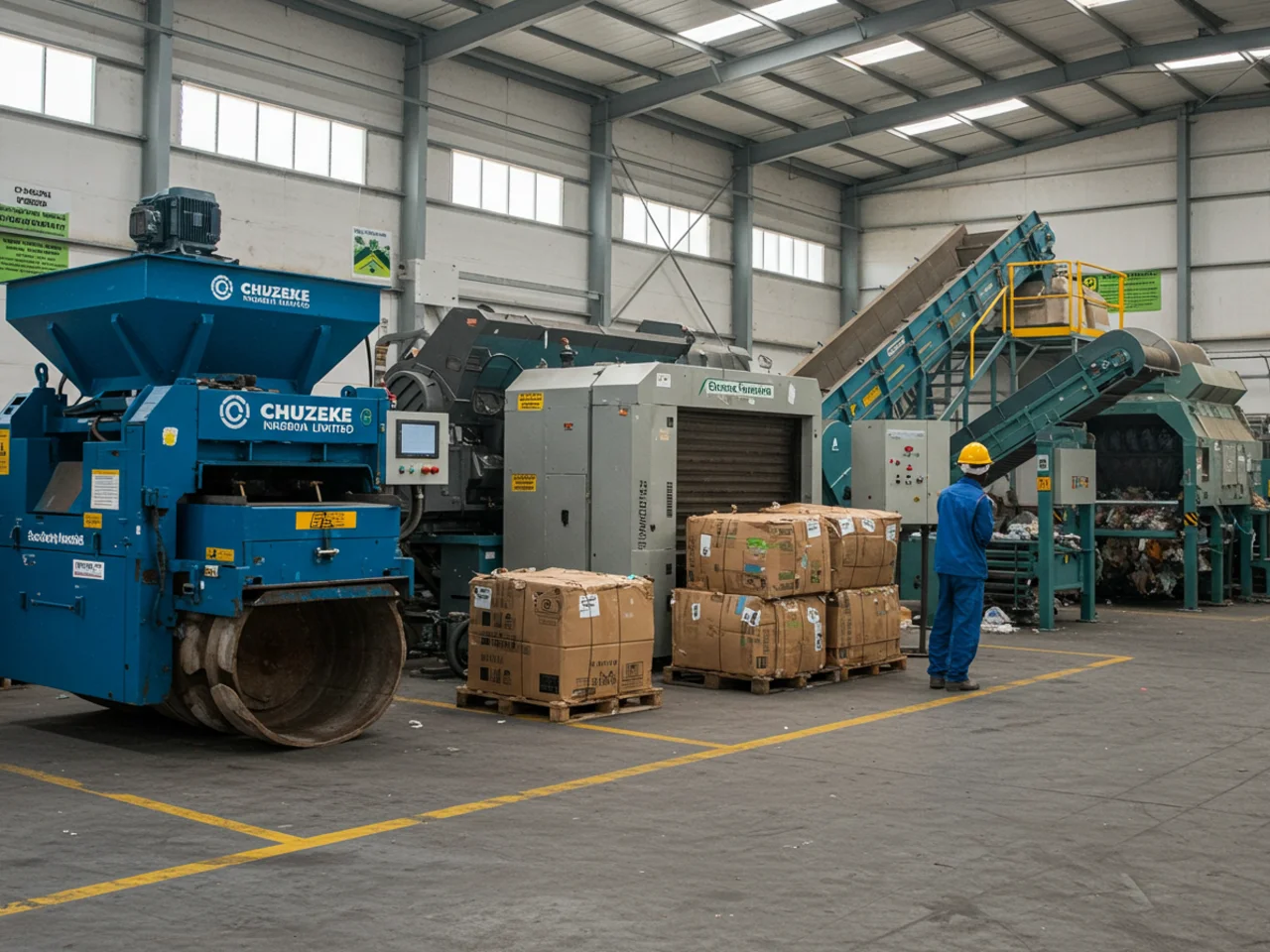
The right equipment forms the backbone of any commercial waste programme. Compactors cut the volume of general waste. Incinerators safely destroy medical, industrial, and hazardous materials. In-vessel composters handle organic waste on-site. Gasifiers and pyrolysis plants convert waste streams into energy.
Chuzeke Nigeria Limited designs and fabricates all these systems at our Port Harcourt facility, built to NESREA, ASME, and ISO standards and engineered for Nigeria’s climate conditions. Contact us for a site assessment and custom equipment proposal via our waste management equipment page.
Adopt a Circular Economy Approach
A circular economy model keeps materials in use as long as possible. Return scrap metal, paper, and plastics to suppliers or certified recyclers. Redesign production processes to generate less waste. Explore partnerships in which your waste stream becomes another business’s raw material.
Maintain NESREA Compliance Records
Keep documentation for all waste disposal: collection receipts, disposal certificates, equipment maintenance logs, and emission data. NESREA inspections require complete records, and gaps in documentation lead to penalties even when disposal is otherwise correct.
How the Right Equipment Supports Eco-Friendly Disposal
Home and business-level practices create real results, but they depend on reliable equipment. Poorly built compactors break down under Nigeria’s heat and humidity. Substandard incinerators fail emission tests and attract NESREA penalties. Imported units often lack local spare parts support, causing weeks of costly downtime.
Locally fabricated equipment costs 40–60% less than imports when factoring in shipping, customs duties, and currency fluctuations, and Nigerian fabricators understand local operating conditions, including high humidity, temperature extremes, and variable power quality.
Chuzeke Nigeria Limited bridges this gap. Our solid waste management equipment, from rotary kiln incinerators to in-vessel composters, is fabricated from high-grade steel, corrosion-resistant alloys, and precision-welded. Every unit performs in Nigeria’s harshest industrial environments from day one.
See how Chuzeke’s equipment supports sustainable waste management in Nigeria →
Frequently Asked Questions on Green Waste Management
What is sustainable waste management?
Sustainable waste management covers practices that reduce waste at the source, recover resources through recycling and composting, and ensure responsible final disposal. The goal is to cut environmental harm, lower operating costs, and meet regulatory requirements.
What are NESREA’s requirements for businesses in Nigeria?
NESREA requires businesses to use licensed waste contractors, maintain disposal records, and operate within emission and pollution standards. Fines for violations range from ₦500,000 to ₦10,000,000. For full regulatory details, visit the NESREA Nigeria official site.
How can I start composting at home in Nigeria?
Use a small bin or container. Add kitchen scraps and dry leaves or paper. Turn the pile every few days. Nigeria’s warm climate accelerates breakdown, and usable compost is ready in four to six weeks.
What equipment does a business need for sustainable waste management?
Depending on waste type and volume, businesses may need compactors, incinerators, in-vessel composters, balers, or waste-to-energy systems. Chuzeke Nigeria Limited fabricates all these waste systems and provides installation, training, and maintenance support across Nigeria.
For further reading on waste reduction strategies for commercial buildings, see the US EPA’s guide to managing and reducing wastes and the Nigeria Climate Innovation Centre’s waste management resources.


Partner with Nigeria's Leading Waste Equipment Fabrication company
Stop dealing with equipment failures and project delays. Get reliable waste management and oil field equipment engineered for Nigerian industrial conditions. We’re ready to build.