

Importance of Waste Management in Port Harcourt: Why Proper Waste Disposal Matters for a Sustainable Future
Waste management in Port Harcourt has moved from a background issue to a daily concern for homeowners, business owners, and industrial operators across Rivers State. Refuse piles up along major roads, drainage channels fill with plastic and sand, and flooding from the rainy season grows worse each year.
Chuzeke Nigeria Limited, a Port Harcourt-based top fabricator of waste management and oil field equipment, works with the operators who face this problem directly.
This insightful piece breaks down why proper waste disposal matters for Port Harcourt’s health, environment, and economy, and what homes, businesses, and industries can do about it.
Why Waste Management in Port Harcourt Needs Urgent Attention
Port Harcourt earned its “Garden City” name from tree-lined streets and open spaces. That reputation has taken a hit. Refuse now piles up in markets, along major corridors, and near residential estates faster than collection systems can clear it. Rapid population growth, a busy oil and gas sector, and construction activity all add to the volume of solid waste the city produces daily.
Rivers State handles waste management through the Rivers State Waste Management Agency (RIWAMA), which replaced the older Rivers State Environmental Sanitation Authority in 2014. In February 2026, RIWAMA and local government councils banned roadside dumping across Obio-Akpor and Port Harcourt City, restricting waste drop-off to approved receptacles between 6pm and 10pm. Rules like this exist because informal dumping has become common in many parts of the city, not the exception.
The Public Health Cost of Poor Waste Disposal
Poor waste disposal is not just an eyesore. A physician at the University of Port Harcourt Teaching Hospital has linked indiscriminate refuse disposal to stagnant water pools that breed mosquitoes, raising the risk of malaria. The same conditions contribute to respiratory infections, typhoid fever, and diarrhoea, while contaminated floodwater exposes residents to diseases like leptospirosis.
Here’s why this matters beyond the numbers: workers on construction sites, staff at fabrication yards, and families in low-lying neighborhoods carry the heaviest burden.
Clean collection systems and properly engineered disposal equipment cut this risk at the source, instead of treating illness after it happens.
How Improper Waste Disposal Fuels Flooding Across the City
Flooding in Port Harcourt connects directly to how waste is handled. Plastic waste, sand, and household refuse end up in drainage channels, reducing their capacity to carry rainwater. When rain falls, these blocked systems overflow quickly, turning what should be a short downpour into street-level flooding.
Ikwerre Road and the Elekahia axis are among the corridors that flood repeatedly during the rainy season, and local officials have pointed to blocked drains as a recurring cause. Restoring drainage capacity depends on keeping waste out of waterways in the first place, which puts proper collection and disposal at the center of the city’s flood response.
The Business and Environmental Case for Sustainable Waste Practices
Port Harcourt sits at the center of Nigeria’s oil and gas industry, so local waste streams go beyond household refuse. Fabrication plants, refineries, and oilfield service companies generate industrial waste that needs more than a standard dumpster. Manufacturing byproducts, contaminated soil, and drilling waste all require equipment built for the job, not general-purpose bins.
Businesses handling drilling waste or contaminated soil can review our hazardous waste management guide for Rivers State-specific compliance steps.
Businesses that get waste disposal right protect more than the environment. Regulatory fines, site shutdowns, and reputational damage follow companies that fall short of Rivers State and NESREA requirements.
On the other side, operators that invest in compliant equipment reduce disposal costs over time, avoid production delays tied to waste buildup, and present a cleaner operation to clients and regulators alike.
Who Regulates Waste Management in Port Harcourt?
Two bodies shape the rules that homes and businesses in Port Harcourt operate under.
RIWAMA handles municipal and household waste collection, licensing of private waste operators, and local sanitation enforcement across Rivers State. The National Environmental Standards and Regulations Enforcement Agency, or NESREA, sets the national standards for industrial waste handling, emissions, and equipment design that fabricators and operators must meet.
Businesses operating waste processing equipment, from compactors to incinerators, need to satisfy both sets of requirements.
Our solid waste management guide breaks down the equipment side of NESREA compliance in more detail.
Building a Sustainable Future: What Proper Waste Disposal Looks Like
For Homeowners
Households can cut their impact by separating recyclables from general refuse, bagging waste properly before collection, and using RIWAMA-approved receptacles instead of open dumping. Small changes at the household level add up across a city of Port Harcourt’s size.
For Businesses and Industrial Operators
Businesses need equipment matched to their waste stream. A fabrication yard producing scrap metal has different needs from a hospital managing medical waste or an oilfield operator handling drilling byproducts. Working with a fabricator that understands Port Harcourt’s operating conditions, heat, humidity, and continuous use helps equipment last and keeps operations within regulatory limits.
Why Chuzeke Nigeria Limited Is Port Harcourt’s Partner for Waste Management Equipment
Chuzeke Nigeria Limited fabricates waste management and oil field equipment from a Port Harcourt facility built for Nigerian conditions. Our range covers rotary kiln incinerators, pyrolysis plants, compactors, thermal desorption units, and pressure vessels, each built to meet NESREA standards and pass regulatory inspection.
We work directly with the businesses, hospitals, and oilfield operators that keep Rivers State running, and we understand what proper waste disposal takes in this environment because we build the equipment that makes it possible.
If your operation needs waste management equipment engineered for Port Harcourt’s conditions, contact Chuzeke Nigeria Limited for a site assessment and custom proposal.
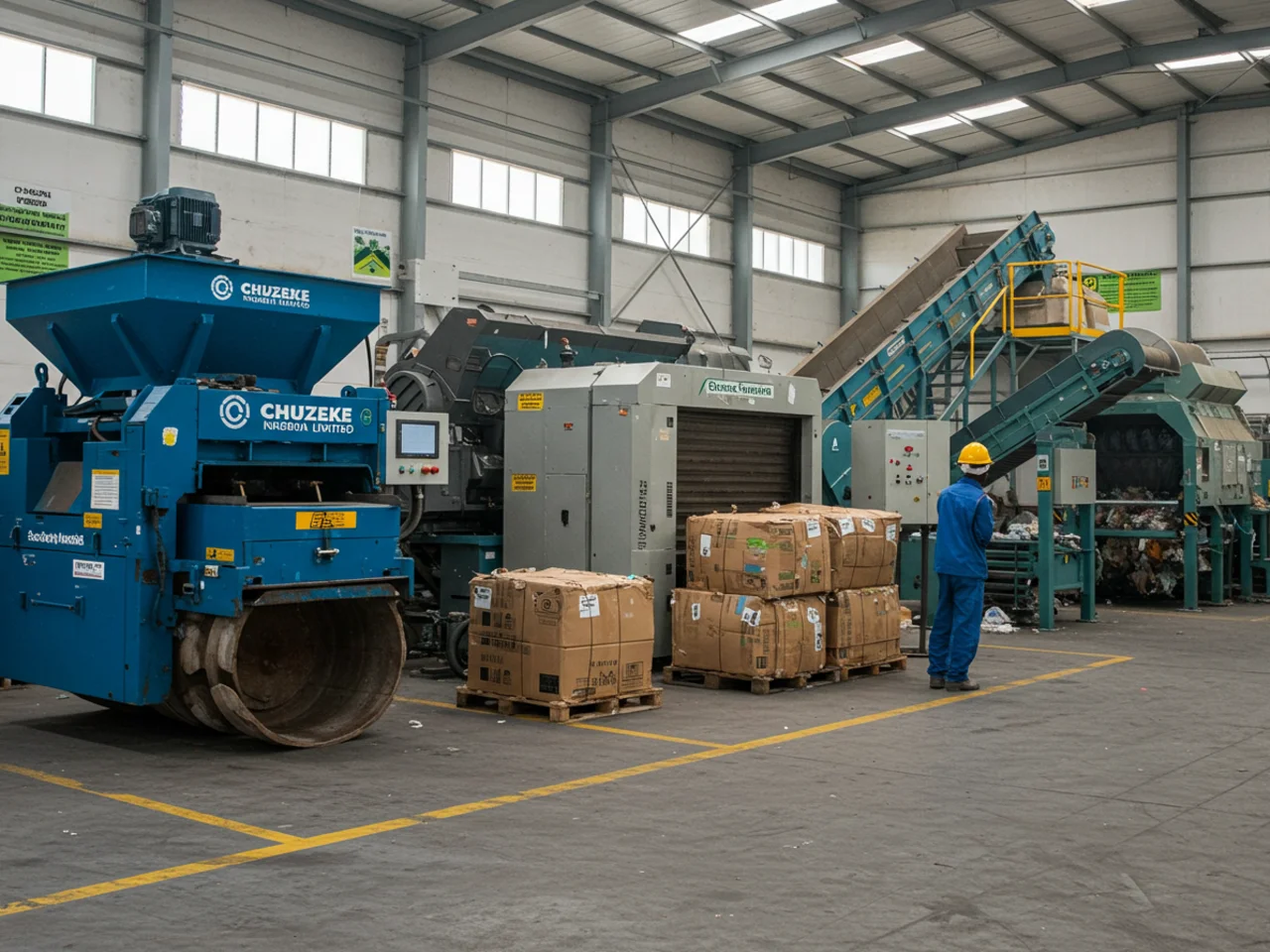


Partner with Nigeria's Leading Waste Equipment Manufacturing company
Stop dealing with equipment failures and project delays. Get reliable waste management and oil field equipment engineered for Nigerian industrial conditions. We’re ready to build.