

RIWAMA Compliance Checklist for Port Harcourt Businesses
Every business operating in Port Harcourt needs a RIWAMA compliance checklist, whether you run a shop on Aba Road, a fabrication yard in Trans Amadi, or an oilfield service company along the Port Harcourt Aba Expressway.
Chuzeke Nigeria Limited, a Port Harcourt-based top fabricator of waste management and oilfield equipment, built this checklist from the current rules the Rivers State Waste Management Agency enforces across the metropolis. Use it to confirm your operation meets RIWAMA’s requirements before an inspection catches you off guard.
Why RIWAMA Compliance Matters for Port Harcourt Businesses
RIWAMA holds the legal authority to license waste operators, approve disposal methods, and prosecute businesses that ignore sanitation rules across Rivers State. Enforcement has picked up in recent years. In February 2026, RIWAMA and local government councils banned roadside dumping across Obio-Akpor and Port Harcourt City, and shop owners with untidy surroundings now face arrest and prosecution.
Staying compliant protects your business from fines, shutdowns, and the reputational damage that comes with a public enforcement action.
Understand What RIWAMA Requires From Your Business
Waste Collection and Storage Rules
Waste must stay bagged and stored on-site until collection, not piled outside or pushed into drainage channels. RIWAMA-approved receptacles are the only legal drop-off point, and waste can only go out between 6pm and 10pm daily in Port Harcourt City and Obio-Akpor.
Licensed Private Service Providers Only
Corporate organizations must engage Private Service Providers licensed by RIWAMA rather than informal cart pushers, which the agency has banned across the metropolis. Working with an unlicensed collector puts the liability back on your business, not the collector.
RIWAMA Compliance Checklist: Step-by-Step
1. Register and Profile With RIWAMA if You Handle Scrap or Recyclables
Businesses involved in scrap dealing, recycling, refurbishing, or PET bottle collection must complete a RIWAMA profiling form, attach the required documents, and submit it within the compliance window the agency sets, typically one month from the date of the directive.
RIWAMA has stated that failing to provide this information counts as a violation of the RIWAMA law and can trigger enforcement action once that window closes.
2. Bag and Store Waste Correctly Before Collection
Loose refuse left outside your premises, even briefly, creates the kind of visible violation RIWAMA officers look for during sanitation patrols. Keep waste bagged and contained until it goes to an approved receptacle.
3. Use Only RIWAMA-Approved Receptacles and Timing
Drop waste only at designated receptacles, and only within the 6pm to 10pm window. Businesses that dump outside these hours or at unauthorized points risk prosecution under the current roadside dumping ban.
4. Work With a RIWAMA-Licensed Waste Collector
Confirm your waste contractor’s license before signing an agreement. RIWAMA maintains oversight of collection zones through a network of private operators, and using an unlicensed provider does not shift responsibility away from your business.
5. Separate Hazardous and Industrial Waste From General Refuse
General household-style collection does not cover industrial byproducts, contaminated soil, or medical waste. Businesses generating these waste types need a dedicated hazardous waste collector registered with RIWAMA, separate from routine municipal pickup.
Our hazardous waste management guide covers the equipment and legal framework for this waste stream in more detail.
6. Keep Documentation for Inspections
Retain waste collection receipts, contractor licenses, and any RIWAMA profiling confirmation on file. Documentation turns a routine inspection into a quick formality instead of a dispute.
Where NESREA Compliance Overlaps With RIWAMA
RIWAMA handles municipal collection, licensing, and local sanitation enforcement, but industrial and oilfield businesses in Port Harcourt also answer to the National Environmental Standards and Regulations Enforcement Agency, or NESREA, for waste generation permits, emissions, and equipment standards.
Fabrication plants, refineries, and manufacturing operations typically need both RIWAMA compliance for general site waste and a NESREA Waste and Toxic Substances Permit for industrial byproducts, sludge disposal, and effluent discharge. Medium and large-scale industrial facilities may also need to file an Environmental Audit Report, so it helps to map out which permits your operation needs before an inspector does it for you.
Our importance of waste management in Port Harcourt post breaks down how these two regulatory layers work together.
What Happens When Businesses Don’t Comply
Non-compliance in Port Harcourt now carries real consequences. RIWAMA has prosecuted shop owners for untidy surroundings, and businesses caught dumping outside approved hours or receptacles face similar enforcement.
Field officers now carry a verification application that scans and confirms operator identities on the spot, so unregistered scrap dealers and recyclers get flagged during routine patrols rather than at a later audit.
Beyond fines, non-compliant businesses risk operational disruption if RIWAMA or NESREA orders a shutdown pending correction, along with the reputational cost of a public enforcement notice.
How Chuzeke Nigeria Limited Helps Port Harcourt Businesses Stay Compliant
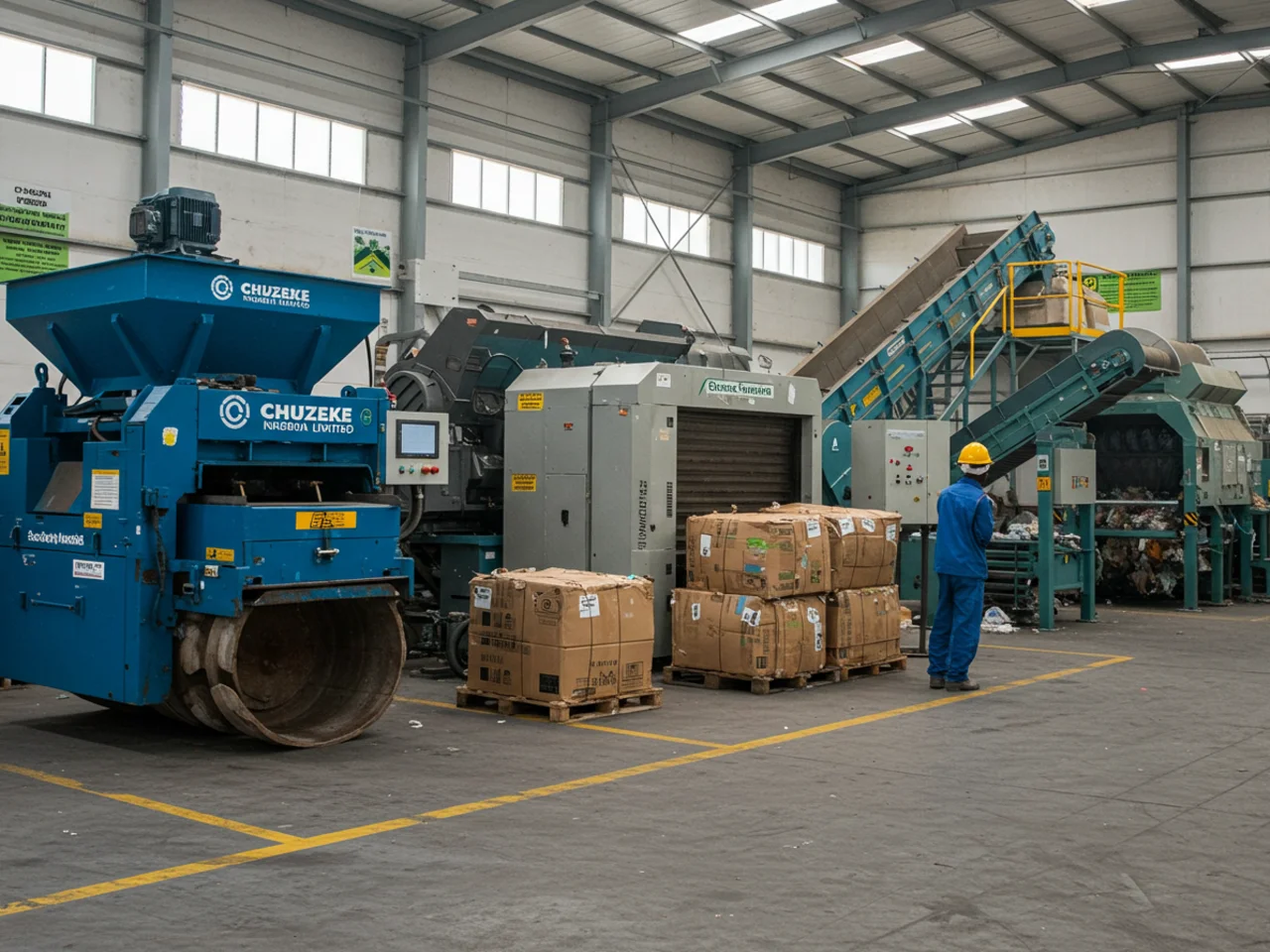
Chuzeke Nigeria Limited fabricates waste management and oil field equipment from a Port Harcourt facility built for Nigerian conditions. For businesses that need more than municipal collection, our range covers rotary kiln incinerators, pyrolysis plants, compactors, thermal desorption units, and pressure vessels, each engineered to meet NESREA standards and pass regulatory inspection.
Staying compliant with RIWAMA and NESREA takes more than a checklist. It takes equipment and processes built for Port Harcourt’s conditions and rules. If your operation needs a waste management system that keeps you on the right side of both agencies, contact Chuzeke Nigeria Limited for a site assessment and custom proposal.


Partner with Nigeria's Top Waste Equipment Manufacturing company
Stop dealing with equipment failures and project delays. Get reliable waste management and oil field equipment engineered for Nigerian industrial conditions. We’re ready to build.