

Rotary Kiln Incinerator: How It Works, Types, and Applications in Nigeria
Rotary kiln incinerators stand out as one of the most dependable tools for destroying hazardous, medical, and industrial waste at high temperatures. Whether you manage a hospital in Lagos, run a chemical plant in Port Harcourt, or operate a municipal waste facility in Abuja, Chuzeke Nigeria Limited offers a reliable path to safe, legal waste disposal.
What Is a Rotary Kiln Incinerator?
A rotary kiln incinerator is a cylindrical, refractory-lined furnace mounted at a slight angle and continuously rotated about its horizontal axis. The shell is mounted at a slight incline of about 5 degrees from the horizontal plane to help mix and transport waste materials through the system.
Waste enters at the elevated end and travels toward the lower end as the drum rotates. During this journey, the material heats up, combusts, and breaks down into ash and flue gas. This process converts wastes to an ash residue and reduces overall waste volume significantly.
The system is widely used across Nigeria’s healthcare, industrial, and municipal sectors because it handles almost any waste type, including solids, liquids, sludges, and containerized waste, within a single continuous process.
How a Rotary Kiln Incinerator Works
Here is why the rotary kiln design performs so well: it combines three forces at once, namely time, temperature, and turbulence, to break down all organic and inorganic compounds completely.
Step 1: Waste Feeding
Operators feed waste into the higher end of the rotating drum. Solid waste, bagged waste, drummed chemicals, or liquid waste can all enter through the feed system. The slight incline pulls the material forward as the drum turns.
Step 2: Primary Combustion in the Kiln
Treatment typically takes place at temperatures ranging from 760°C to 980°C (1,400°F to 1,800°F), oxidizing the material and rendering any infectious or hazardous components inert. Inside the drum, the rotating action agitates the waste constantly, exposing fresh surfaces to the flame and oxygen supply. Rotational speeds range from 0.5 to 2.5 cm/s, depending on the kiln periphery, and residence time in the kiln runs between 30 and 90 minutes.
Step 3: Secondary Combustion Chamber
Hot flue gas and fine particles leaving the kiln pass into a secondary combustion chamber (also called an afterburner). Secondary air is injected tangentially around the chamber, forming a strong vortex field that ensures combustible components in the flue gas burn fully.
The flue gas temperature at the secondary combustion chamber exit exceeds 1,100°C, with a residence time of more than 2 seconds in the high-temperature zone. This step destroys dioxins and other persistent organic pollutants.
Step 4: Gas Cleaning and Ash Removal
Cleaned flue gas passes through an air pollution control system before release. Ash residue discharges at the lower kiln end and moves to a stabilization or solidification area for safe landfill disposal or further treatment.
Types of Rotary Kiln Incinerators
Not all rotary kilns are the same. The right type depends on your waste stream, operating environment, and budget. Let’s break it down.
1. Direct-Fired Rotary Kiln Incinerator
In the direct-fired configuration, the material and combustion gases are in direct contact. This is the most common type in Nigeria. It handles the widest range of waste types and costs less to build and maintain. Hospitals, pharmaceutical companies, and industrial plants across Port Harcourt, Lagos, and Kano use direct-fired systems most frequently.
2. Indirect-Fired Rotary Kiln Incinerator
Indirect kilns are used in specialized applications requiring a more controlled atmosphere. While typically more costly, they offer the benefit of a smaller air pollution control system because the exit gas flow rate is lower than in the direct-fired configuration. This makes them attractive for research facilities handling particularly toxic or reactive materials.
3. Co-Current (Parallel Flow) Configuration
In a co-current kiln, gas passes through the tube in the same direction as the feedstock. This design suits waste streams with high moisture content because the initial heat dries the material before it reaches peak combustion zones.
4. Counter-Current Configuration
In a counter-current kiln, hot combustion gases travel in the opposite direction to the waste. This creates a more intense heat exchange early in the process and works well for dry, high-calorific-value waste such as petroleum-contaminated solids or chemical plant residues.
5. Slagging Rotary Kiln
Slagging kilns run at temperatures above 1,200°C, turning inorganic waste into a molten slag that cools into a glassy, non-leachable material. This type handles heavily contaminated soils and high-ash industrial waste. It is less common in Nigeria today, but growing in demand alongside petroleum sector requirements.
Key Components of a Rotary Kiln System
Every rotary kiln incinerator shares the same core structure:
Rotary Drum: The central cylindrical shell, typically 2 to 5 meters in diameter and 8 to 40 meters in length, is lined internally with high-temperature refractory brick. Rotary kiln incinerators usually have a length-to-diameter ratio between 2 and 8.
Refractory Lining: The internal brick layer protects the steel shell from heat and corrosive acid gases generated during combustion. Without a quality lining, the kiln shell fails prematurely, making lining selection one of the most important fabrication decisions.
Drive System: Motorized tyre rings and rollers rotate the drum at controlled speeds. Speed adjustment changes residence time and, in turn, combustion completeness.
Burner: An axial burner fires into the drum to maintain target temperatures. Many Nigerian operations use dual-fuel burners that switch between diesel and gas to manage fuel costs.
Secondary Combustion Chamber: As described above, this afterburner chamber destroys gaseous pollutants before the gas stream enters the pollution control system.
Air Pollution Control (APC) System: Wet scrubbers, dry sorbent injection, or fabric filter baghouses capture particulates, acid gases (HCl, SO₂), and heavy metals before stack discharge.
Applications of Rotary Kiln Incinerators in Nigeria
Nigeria generates millions of tonnes of industrial, medical, and municipal waste each year. Rotary kiln technology is now central to responsible disposal across several sectors.
Medical and Healthcare Waste
Hospitals, clinics, and diagnostic laboratories in Lagos, Abuja, and Port Harcourt produce infectious waste daily, including sharps, pathological waste, pharmaceutical residues, and contaminated PPE. For Nigerian operations, capacity typically runs from 25 kg/hour for small clinics up to 500 kg/hour for major medical centers, and most systems include automated ash removal and integrated pollution control. Rotary kiln systems meet the Nigerian National Environmental Standards and Regulations Enforcement Agency (NESREA) requirements for medical waste treatment.
Petroleum and Oil Field Waste
Nigeria’s Niger Delta region produces significant volumes of oil-contaminated soil, drill cuttings, tank sludge, and oily rags. The rotary kiln incinerator handles these waste streams at high temperatures, breaking down hydrocarbons and reducing the environmental risk to surrounding communities.
Industrial and Chemical Plant Waste
Manufacturing facilities, paint producers, pharmaceutical manufacturers, and chemical plants generate waste that cannot go to a standard landfill. When waste streams change daily, such as pharmaceutical residues one day and contaminated packaging the next, rotary kiln incinerators provide the flexibility needed.
Municipal Solid Waste (MSW)
State waste management authorities in Lagos, Rivers, and Kaduna States are exploring rotary kiln systems for controlled MSW processing, particularly for clinical and market waste streams that require higher treatment temperatures than grate-type furnaces can achieve.
Agricultural and Food Processing Waste
Abattoirs, poultry farms, and fish processing plants generate animal by-products and condemned food waste. A rotary kiln destroys pathogens completely and reduces volume by up to 90%, cutting landfill dependency for these high-risk waste categories.
Why Nigerian Facilities Choose Rotary Kiln Technology
The Nigerian operating environment presents real challenges: high humidity, difficult supply chains for spare parts, inconsistent power supply, and strict NESREA enforcement. Here is why the rotary kiln remains the preferred choice:
Waste flexibility: A single unit handles solids, liquids, sludges, and containerized waste without costly pre-sorting or pre-treatment.
High destruction efficiency: The two-stage combustion process ensures destruction removal efficiency (DRE) above 99.99% for hazardous organic compounds, meeting regulatory thresholds.
Local fabrication advantage: Fabricating rotary kilns locally in Nigeria, rather than importing, cuts lead times, reduces foreign exchange costs, and allows design customization for local fuel types and waste compositions. For facilities in Port Harcourt and across the Niger Delta, working with a local fabricator means faster maintenance response and access to locally-sourced spare parts. You can learn more about our locally fabricated waste management equipment.
Long service life: A well-lined, locally fabricated rotary kiln operates for 15 to 25 years with scheduled refractory maintenance, delivering a low total cost of ownership compared to imported alternatives.
For a broader overview of incinerator types available in Nigeria and how to choose the right one for your facility, read the complete guide to incinerators in Nigeria.
Frequently Asked Questions on Rotary Kilns
What temperature does a rotary kiln incinerator reach?
The primary kiln chamber operates between 760°C and 980°C. The secondary combustion chamber exceeds 1,100°C to destroy gases and dioxins.
What waste types can a rotary kiln incinerator handle?
Rotary kilns handle medical waste, industrial hazardous waste, oil field waste, municipal solid waste, pharmaceutical waste, and agricultural by-products. They process solids, liquids, sludges, and containerized drums simultaneously.
Is a rotary kiln incinerator compliant with NESREA regulations in Nigeria?
Yes, when designed with a secondary combustion chamber, gas scrubbing system, and stack emission monitoring, rotary kiln incinerators meet NESREA’s National Environmental (Sanitation and Wastes Control) Regulations S.I. No. 28 of 2009. Facilities must obtain an Environmental Impact Assessment (EIA) approval and an operating permit.
How long does waste stay inside the kiln?
Residence time in the primary kiln chamber is 30 to 90 minutes, depending on waste type and rotational speed. The secondary combustion chamber holds gas for a minimum of 2 seconds at above 1,100°C.
Can a rotary kiln incinerator be fabricated in Nigeria?
Yes. Chuzeke Nigeria Limited fabricates rotary kiln incinerators in Port Harcourt, designed for local waste streams, fuel sources, and operating conditions. Contact Chuzeke today to discuss capacity requirements and site specifications.
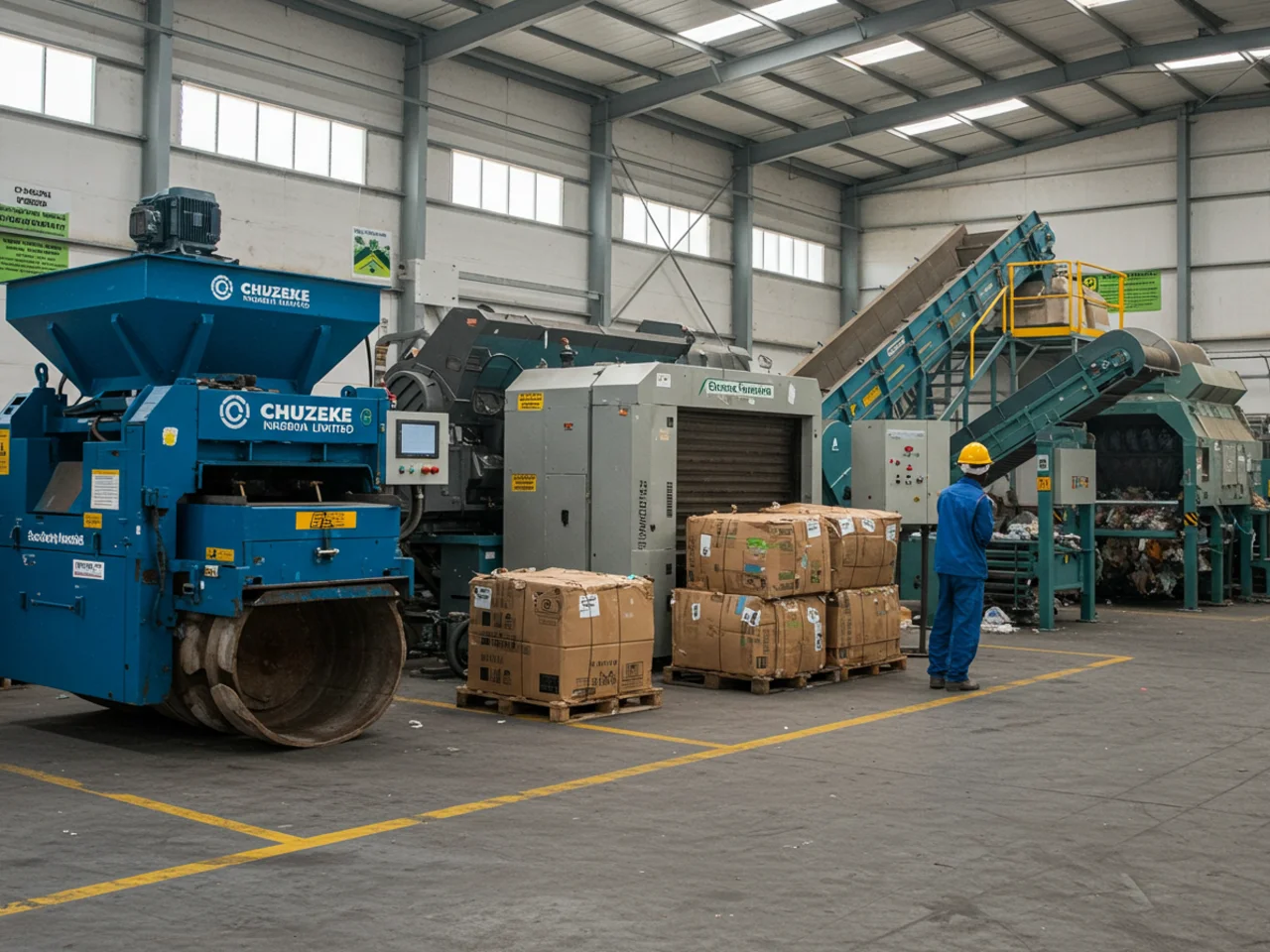


Partner with Nigeria's Leading Waste Equipment Fabrication company
Stop dealing with equipment failures and project delays. Get reliable waste management and oil field equipment engineered for Nigerian industrial conditions. We’re ready to build.