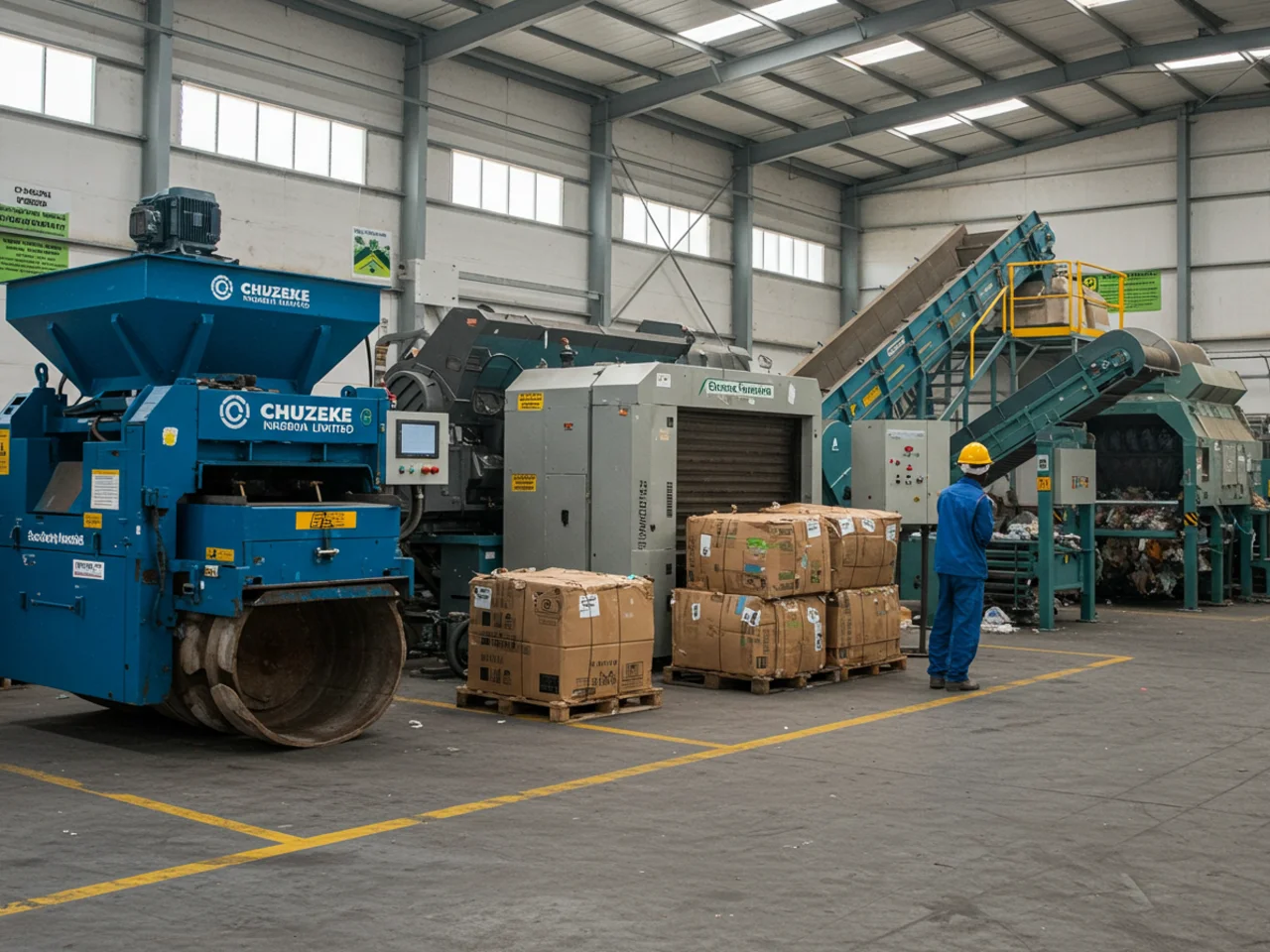
Waste disposal methods are critical processes that determine whether refuse becomes an environmental hazard or a valuable resource.
Effective waste management is no longer optional in Nigeria; it is a necessity for public health and regulatory compliance. With the National Environmental Standards and Regulations Enforcement Agency (NESREA) enforcing stricter guidelines, businesses and municipalities must move beyond simple “open dumping” toward engineered solutions.
Whether you run a hospital in Port Harcourt requiring medical waste disposal or a construction firm in Lagos handling solid waste, understanding the correct waste disposal methods is the first step. More importantly, having the right waste management equipment ensures you meet these standards efficiently.
At Chuzeke Nigeria Limited, we fabricate cost-effective waste management equipment that functions efficiently and effectively, can withstand adverse weather conditions, and also meets industry-related regulatory standards.
5 Types of Waste Disposal Methods
Selecting the correct approach for your facility depends entirely on the material you generate and the environmental regulations in your specific state. While residential areas might rely on simple collection services, industrial and medical sectors require engineered processes to meet NESREA standards.
Below, we break down the five primary types of waste disposal methods used in Nigeria today, along with the heavy-duty waste management equipment required to execute them safely.
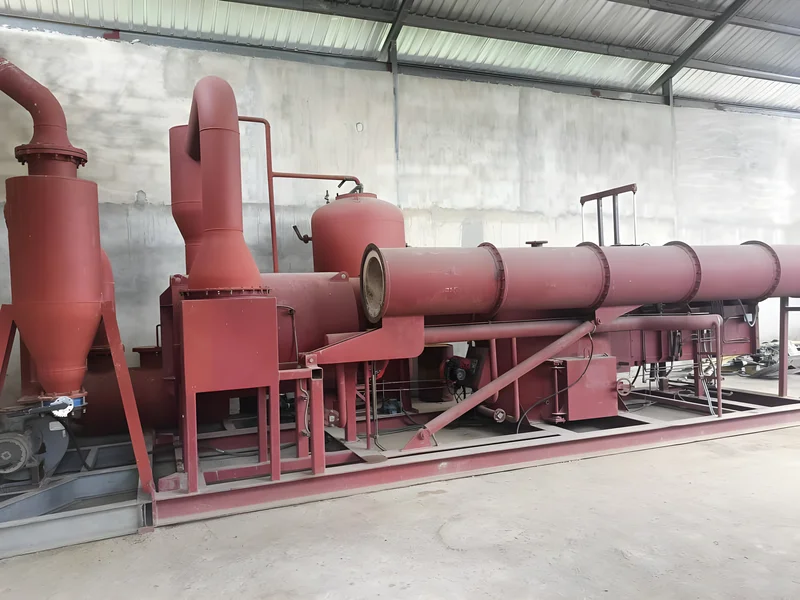
1. Incineration (Thermal Treatment)
Incineration is a thermal treatment process where solid waste materials are burned at high temperatures. In Nigeria, this is one of the most effective ways to reduce waste volume, often by up to 90%, while rendering hazardous materials safe and secure.
Why Incineration Suits Medical Waste
For healthcare waste and medical waste management, incineration is often the only NESREA-approved method. Hospitals generate biohazardous materials, including sharps, pathological waste, and contaminated fabrics. A simple burial is dangerous as it risks contaminating groundwater.
Controlled burning ensures pathogens are destroyed.
The Role of Rotary Kiln Incinerators
Not all burning is created equal. Open burning is illegal and harmful. The professional standard involves using waste equipment like Rotary Kiln Incinerators.
Manufactured here at Chuzeke Nigeria Limited, these units rotate to ensure even heat distribution, reaching temperatures sufficient to break down complex chemical bonds. This technology is essential for pharmaceutical companies and environmental consultants looking for smoke-free, compliant solutions.
2. Sanitary Landfilling
While often confused with open dumpsites, a sanitary landfill is an engineered project. It is designed to isolate waste from the surrounding environment using bottom liners and leachate collection systems.
Difference Between Dumpsites and Engineered Landfills
An open dump is a pile of exposed garbage. A sanitary landfill is a managed facility. In a proper landfill, waste is layered, compacted, and covered with soil daily to prevent pests and odors. This method is common for municipal solid waste management, but requires heavy machinery to be sustainable.
Compacting Equipment for Landfill Management
To maximize the lifespan of a landfill, space must be conserved. This is where industrial compactors come into play. These machines press waste into dense bales or blocks before they are buried.
By reducing the volume of the solid waste, operators can store more material in the same footprint, delaying the need for new land acquisition.
3. Recycling and Material Recovery
Recycling is the process of converting waste materials into new, useful products. In the context of the Nigerian economy, this is a rapidly growing sector, particularly for metal works companies and steel production companies.
Metal Fabrication and Steel Recycling
Scrap metal is not trash; it is raw material. Through proper sorting and processing, steel and aluminum can be melted down and re-fabricated.
Chuzeke Nigeria Limited supports this ecosystem not only by manufacturing the equipment needed to process scrap but also by utilizing high-grade recycled steel in our own metal fabrication processes.
For business owners, investing in recycling equipment like shredders or balers turns a waste cost into a revenue stream.
4. Pyrolysis (Waste-to-Energy)
Pyrolysis is a technically advanced method of waste disposal that is gaining traction in the Nigerian market. Unlike incineration, which burns waste with oxygen, pyrolysis decomposes organic material at high temperatures without oxygen.
Converting Plastic to Fuel
This method is particularly effective for types of waste disposal involving tires and plastics that are difficult to recycle. A Pyrolysis Plant can convert these waste streams into fuel oil, carbon black, and syngas.
For environmental services companies, this technology bridges the gap between waste management and energy generation, offering a sustainable alternative to fossil fuels.
5. Biological Reprocessing (Composting)
For organic waste, such as food scraps from hotels or agricultural waste, composting is the ideal solution. Biological reprocessing involves the controlled decomposition of organic matter by microorganisms.
This method produces nutrient-rich soil conditioners (compost) that can be used in agriculture. While it requires less heavy equipment than incineration, it does require industrial shredders to break down organic matter to speed up the decaying process.
Specialized Focus: Medical Waste Disposal Method in Nigeria
Medical waste disposal remains a critical challenge. Clinics and medical centers frequently face issues with the accumulation of syringes, bandages, and expired drugs.
The medical waste treatment protocol demands segregation at the source. Once separated, the hazardous fraction must be treated thermally.
We strongly advise medical facilities to install on-site incinerators or contract with licensed waste management companies that utilize compliant medical waste equipment. Relying on unauthorized dumpsites for healthcare waste exposes the facility to severe legal penalties under Nigerian environmental law.
Choosing the Right Waste Management Equipment
Selecting the right waste disposal methods depends on your waste stream. However, the effectiveness of any method relies on the reliability of your equipment.
Why Local Waste Equipment Manufacturing Matters
Many companies import waste management equipment only to find that it cannot withstand the Nigerian climate or that spare parts are impossible to source.
Chuzeke Nigeria Limited positions itself as the best waste equipment manufacturer in the region because we build for local conditions. Our Port Harcourt facility fabricates incinerators, compactors, and pyrolysis plants using high-grade materials meant to last.
Whether you are in metal fabrication, construction, or healthcare, having a local partner ensures that if a machine needs maintenance, the engineers who built it are just a phone call away.
Next Steps
Don’t let waste compliance become a bottleneck for your business. Contact Chuzeke Nigeria Limited today to discuss your specific waste challenges and view our range of engineered solutions.