

Oil Field Equipment Maintenance in Nigeria: What Every Operator Needs to Know
Oil field equipment maintenance in Nigeria works nothing like maintenance programs written for the North Sea or the Gulf of Mexico.
Sour gas eats through standard steel within months. Humidity off the Atlantic speeds up every corrosion process a maintenance engineer has ever studied. Add remote swamp and offshore locations where a spare part can sit in customs for weeks, and a maintenance plan built for a temperate climate falls apart fast.
Here’s why that matters: oil field equipment maintenance in Nigeria isn’t just a service line item. It’s a compliance obligation, a safety requirement, and a waste-management responsibility all at once.
This guide breaks down what makes the job different here, what NUPRC expects from operators, and where the waste from maintenance work legally has to go.
Why Oil Field Equipment Maintenance in Nigeria Looks Different
Nigerian upstream operations fight three forces at once: hydrogen sulfide corrosion in sour gas fields, temperature swings that stress welds and seals, and humidity that speeds up rust on anything left uncoated.
A study of Niger Delta pipeline failures between 1999 and 2010 found mechanical damage behind 42% of failures and corrosion behind another 18%, with third-party interference and operational error making up most of the rest. None of those causes disappear on their own. They get managed through inspection schedules, the right materials, and maintenance teams who show up before a small leak becomes a shutdown.
That reality also shapes the fabrication side. Equipment built for other climates rarely holds up here, and replacement stock from overseas can take months to clear customs while a unit sits down.
What Breaks First: Common Failure Points in Nigerian Oil Field Equipment
Corrosion and Sour Gas Damage
Hydrogen sulfide attacks standard carbon steel fast in Niger Delta gas streams. Pressure vessels, separators, and pipe fittings need AMPP-compliant material selection and NACE-rated alloys for sour service, or they start losing wall thickness within a single production season.
Mechanical Wear From Continuous-Duty Operation
Flow stations and platforms in Nigeria rarely get scheduled downtime. Pumps, valves, and cranes run near-continuously, so bearings, seals, and gaskets wear out faster than manufacturer service intervals assume.
Aging Infrastructure and Delayed Turnaround Maintenance
Many Niger Delta facilities have run well past the 33-year design life set by Nigeria’s gas and oil pipeline standards. Delayed turnaround maintenance on aging assets is a documented driver of spills and unplanned shutdowns across Rivers, Delta, and Bayelsa states.
Building a Maintenance Program That Meets NUPRC Standards
Integrity Operating Windows and Asset Integrity Management
NUPRC’s Upstream Petroleum Safety Regulations require every operator to keep equipment inside its Integrity Operating Window, the range of pressure, temperature, and flow the equipment was designed to handle safely.
Equipment that falls outside its window has to be de-rated by a competent person, certified by a third party, and approved by the Commission before it returns to service. NUPRC’s Asset Integrity Management unit runs annual audits to confirm operators meet this standard.
Scheduled Inspection and Turnaround Cycles
NUPRC’s guidelines for designing, building, and operating oil and gas production facilities set out separate requirements for statutory equipment inspection and shutdown or turnaround maintenance.
A program built around these cycles catches thinning walls, worn seals, and drifting instrumentation before they become a Commission finding.
Documentation for Audits and Permits
Inspection logs, thickness-testing records, and de-rating certificates all need to stay on file and ready for review. Operators who keep this paperwork current move through NUPRC audits and permit renewals with far fewer delays.
What Happens to the Waste Maintenance Work Generates
Oil field equipment maintenance in Nigeria produces its own waste stream: tank bottom sludge from cleaning, spent corrosion inhibitors and solvents, oily rags, and scale removed during descaling work. NESREA classifies most of this material as hazardous waste, which rules out dumping it on site or trucking it to an unlicensed landfill.
Operators handling this correctly usually route it through the same equipment used for broader oilfield sludge treatment: thermal desorption units, decanter centrifuges, or rotary kiln incinerators built for continuous field duty.
Chuzeke’s guide to oil sludge treatment in the Niger Delta covers those methods and the EGASPIN limits in detail, and the broader hazardous waste management framework for Nigeria explains how NESREA, NOSDRA, and NUPRC divide responsibility for this material.
Local Fabrication vs. Imported Equipment for Maintenance Work
Imported parts and platforms built for temperate climates often fail faster once they meet Nigerian sour gas fields and swamp humidity, and replacement stock can sit in customs for months while a unit stays down. Import duty on fabricated steel equipment adds another cost layer that a locally built replacement skips.
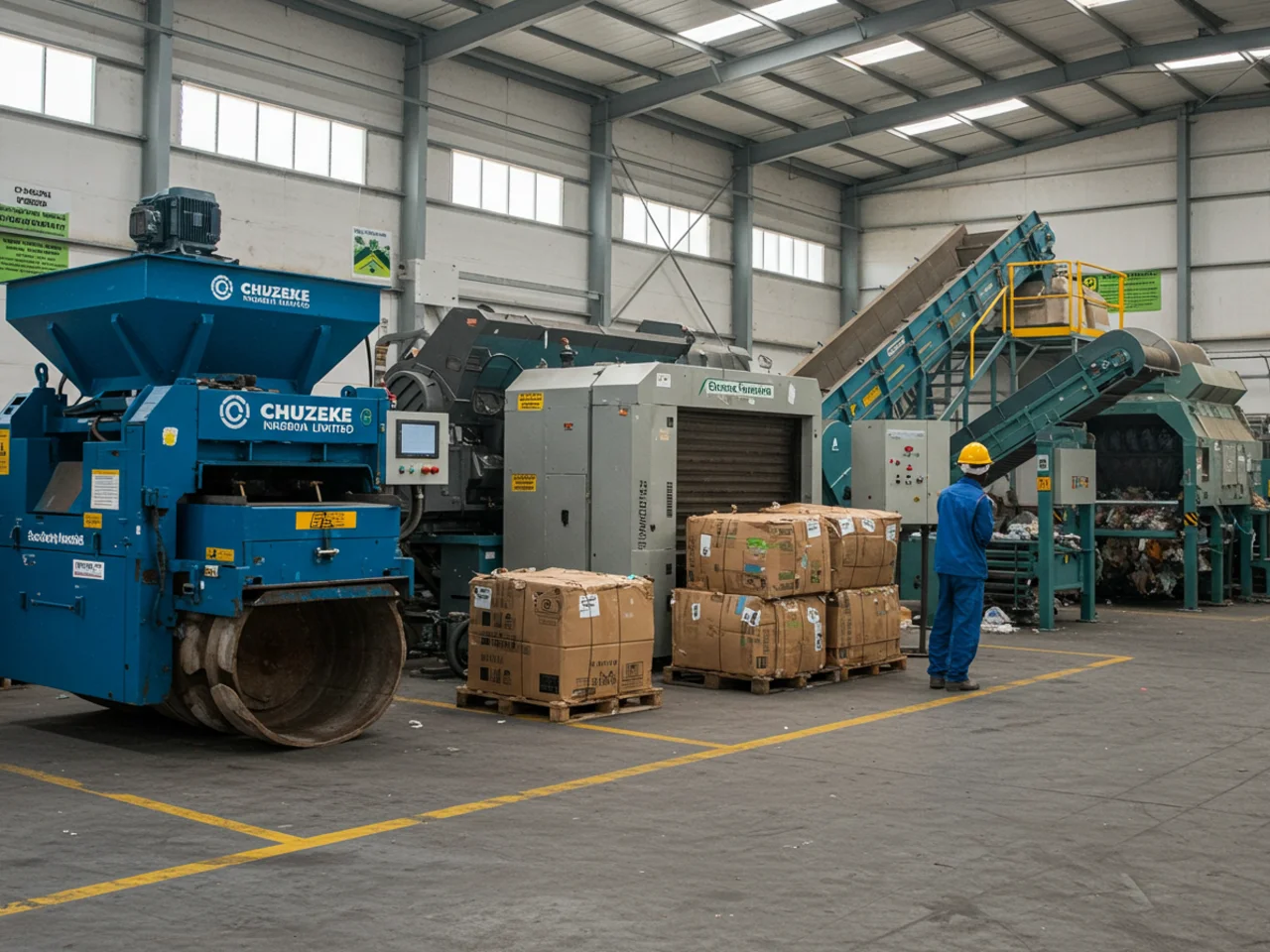
Chuzeke Nigeria Limited fabricates and maintains oil field equipment built for these conditions from its Port Harcourt facility, using AMPP-compliant materials and NACE-rated alloys for sour service.
The same team builds waste management equipment for the maintenance waste stream, so operators can source both from one Nigerian fabricator instead of juggling several overseas suppliers.
A Practical Oil Field Equipment Maintenance Checklist
- Confirm every pressure vessel and separator sits inside its Integrity Operating Window
- Run thickness testing on pipe and tank walls on a fixed schedule, not only after a leak
- Check gaskets, seals, and instrument calibration during every turnaround
- Keep de-rating certificates and third-party inspection reports on file for NUPRC review
- Route tank sludge, spent chemicals, and contaminated materials through licensed treatment equipment
- Match pressure ratings and alloys to your specific sour gas composition, not a generic spec sheet
FAQs on Oil Field Equipment Maintenance in Nigeria
How often should oil field equipment be inspected in Nigeria?
NUPRC ties inspection frequency to each facility’s Integrity Operating Window and the manufacturer’s service schedule, with statutory inspections and turnaround maintenance built into the operating permit.
What waste comes from oil field equipment maintenance?
Tank bottom sludge, spent corrosion inhibitors, contaminated rags, and descaling residue are the most common byproducts, most of which NESREA classifies as hazardous waste requiring licensed treatment.
Why does imported oil field equipment fail faster in Nigeria?
Standard steel and seals built for other climates corrode faster in sour gas and high humidity, and replacement parts from overseas suppliers can take months to arrive.
Partner With Chuzeke Nigeria Limited for Oil Field Equipment Maintenance in Nigeria
Nigerian oil field conditions call for a maintenance partner who understands sour gas corrosion, NUPRC’s Integrity Operating Window rules, and where the resulting waste has to go.
Chuzeke Nigeria Limited fabricates, repairs, and maintains oil field equipment from its Port Harcourt facility, backed by 24/7 emergency response and full NUPRC compliance documentation.


Partner with Nigeria's Leading Waste Equipment Fabrication company
Stop dealing with equipment failures and project delays. Get reliable waste management and oil field equipment engineered for Nigerian industrial conditions. We’re ready to build.