

E-Waste Management in Nigeria: Regulations, Equipment & How to Stay Compliant
E-waste management in Nigeria now touches almost every office, hospital, bank branch, and factory floor that runs on computers, phones, or air conditioning units.
The country takes in and generates hundreds of thousands of tons of discarded electronics each year, and NESREA now expects manufacturers, importers, and waste handlers to show they can collect, store, and process that waste without harming people or the environment.
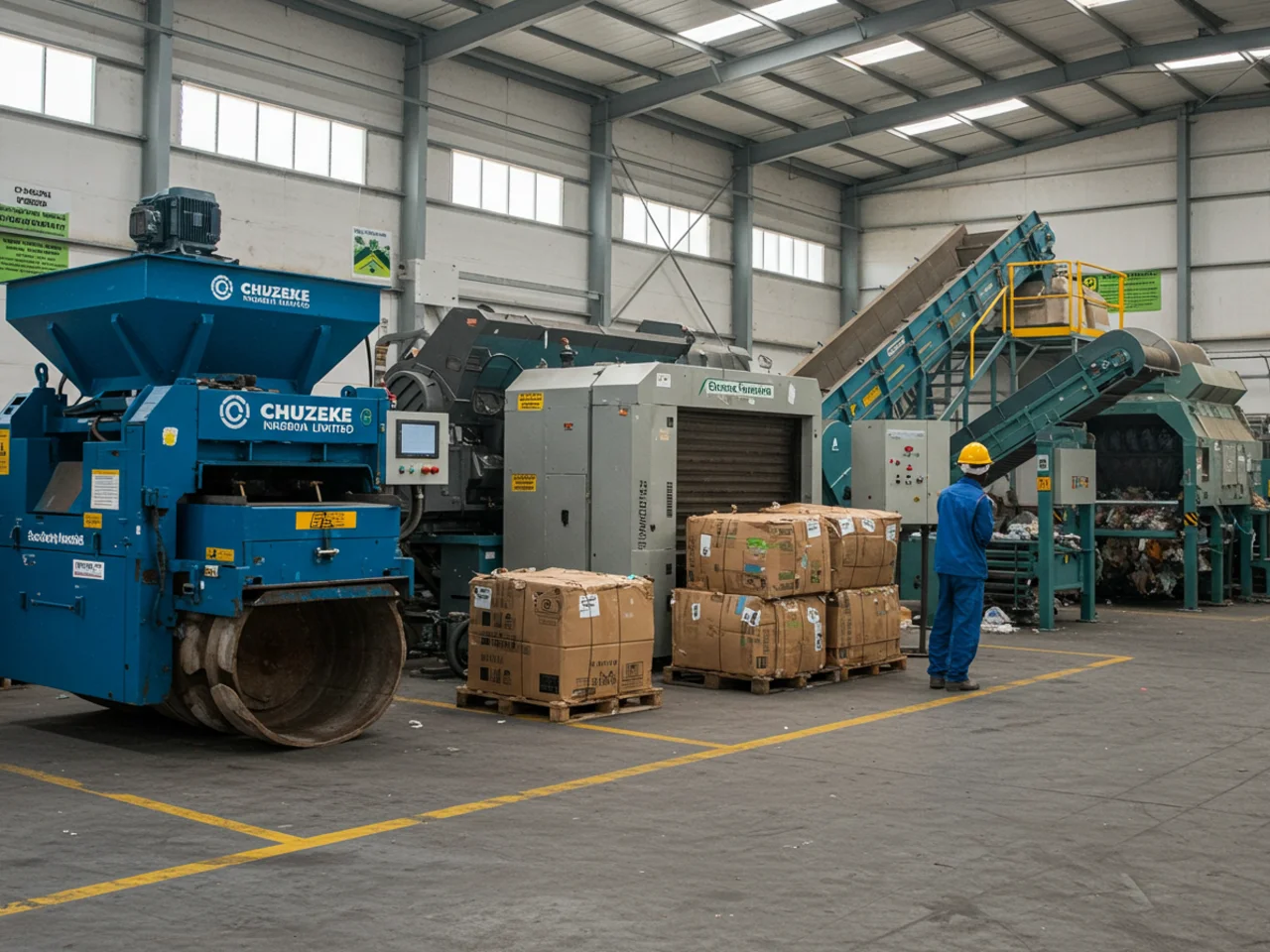
Chuzeke Nigeria Limited, based in Port Harcourt, is Nigeria’s leading fabricator of waste management equipment, building the mercury recovery systems, compactors, and thermal treatment units that hospitals, industrial estates, and recycling operations depend on to meet NESREA and EPRON standards.
This detailed guide covers the rules that apply, the equipment a compliant e-waste operation needs, and the steps to stay on the right side of the law.
What Is E-Waste and Why Nigeria’s E-Waste Problem Keeps Growing
E-waste, short for electronic waste, covers any electrical or electronic item that has reached the end of its working life: computers, phones, televisions, air conditioners, fridges, printers, batteries, and even children’s toys with circuit boards.
Under Nigeria’s National Environmental (Electrical/Electronic Sector) Regulations, e-waste means any old, discarded, or end-of-life electrical or electronic appliance that once ran on electricity.
Nigeria is Africa’s largest importer of electrical and electronic equipment, and much of what arrives is second-hand and close to the end of its usable life.
The country processes over 500,000 tons of discarded electronics a year, and the UN’s Global E-waste Monitor reports that world e-waste generation hit 62 million tonnes in 2022, up 82 percent from 2010, with a further rise to 82 million tonnes expected by 2030.
Nigerian ports, including Lagos, remain common entry points for shipments that skirt the Basel Convention’s rules on used electronics, and law enforcement agencies have intercepted organized smuggling networks moving millions of kilograms of e-waste into West Africa in recent years.
E-Waste Categories to Know
Most e-waste management programs in Nigeria sort discarded electronics into a handful of groups: large household appliances (fridges, air conditioners, washing machines), small household appliances (kettles, blenders), IT and telecom equipment (computers, phones, routers), screens and monitors (CRT and LCD units), lighting equipment, and small electrical tools and toys.
Screens and monitors need extra care because older CRT units contain lead and older lamps contain mercury.
How Much E-Waste Nigeria Handles Each Year
Nigeria’s informal recycling sector employs around 100,000 people, many of them working at open-air markets such as Alaba International Market and Ikeja Computer Village in Lagos. Studies of these sites have found lead and cadmium levels in soil and groundwater well above safe limits, a direct result of dismantling and burning e-waste without the right equipment or protection.
E-Waste Management Regulations in Nigeria: NESREA, EPR and EPRON
The National Environmental Standards and Regulations Enforcement Agency (NESREA) enforces e-waste management in Nigeria through the National Environmental (Electrical/Electronic Sector) Regulations, first gazetted in 2011 and revised in 2022. The Regulations cover the full life cycle of electrical and electronic equipment, from import through use to final disposal, and they build on a “reduce, repair, reuse, recover, recycle” model.
New EEE brought into Nigeria must be functional, carry a visible manufacture date, come with a warranty, and show a serial number. Used equipment that is close to the end of its life, along with non-functional WEEE, is banned from import.
Extended Producer Responsibility and EPRON Registration
Anyone who imports, manufactures, distributes, or trades electrical and electronic equipment in Nigeria must sign up to the Extended Producer Responsibility (EPR) program and register with the E-waste Producer Responsibility Organization Nigeria (EPRON).
EPRON, founded in 2018 with backing from HP, Dell, Philips, Microsoft, and Deloitte, runs the take-back and recycling network that gives producers a practical way to meet their EPR obligations.
Recent amendments strengthened this system further, extending mandatory EPRON registration to collection centres and recycling facilities, not just producers and importers.
Storage, Handling and Disposal Rules Under the Regulations
The Regulations set out clear rules for anyone handling e-waste on site:
- E-waste cannot sit in storage for longer than six months.
- It cannot go into a trash bin, dump site, or landfill.
- Open burning is banned outright.
- It must move to a registered recycling centre for treatment.
- Staff handling e-waste must wear the right personal protective equipment.
- Anyone who spots improper e-waste disposal can report it to NESREA.
Health and Environmental Risks of Poor E-Waste Management
When e-waste gets burned or dismantled without the right equipment, it releases lead, mercury, cadmium, and brominated flame retardants into the air, soil, and water.
Research from Lagos e-waste sites has linked this exposure to lead poisoning, respiratory problems, and elevated cadmium levels among workers, with children in nearby communities facing the highest risk. This is exactly why NESREA’s rules put so much weight on proper storage, protective equipment, and treatment through registered facilities rather than open-air dismantling.
E-Waste Management Equipment Nigeria Needs for Compliance
Meeting NESREA and EPRON standards takes more than paperwork. Facilities need equipment built to handle the specific hazards e-waste carries.
Dismantling and Sorting Stations
Compliant facilities separate incoming e-waste into fractions such as metals, plastics, circuit boards, batteries, and screens before any further processing. Custom-built dismantling benches with containment trays and extraction points keep dust and fumes away from workers.
Shredding and Size-Reduction Systems
Shredders break down casings, cables, and circuit boards into a uniform particle size, which makes it easier to separate metals like copper, aluminum, and steel afterward. Size reduction also cuts the volume of material that needs transport to a recycling centre.
Mercury Recovery and CRT Treatment Units
Older CRT monitors, fluorescent lamps, and some sensors and switches contain mercury, one of the hazardous materials the Regulations single out for careful handling.
Chuzeke Nigeria Limited already builds closed-loop mercury recovery systems that reach recovery rates above 99 percent while keeping the process fully contained, the same design standard that applies to safe electronic waste treatment.
Baling, Compaction and Storage Equipment
Once metals and plastics are separated, hydraulic compactors reduce their volume for transport, while secure, signed, and properly ventilated storage bays keep waste within the six-month limit the Regulations set.
How to Stay Compliant with E-Waste Management in Nigeria: A Checklist
- Register your business with EPRON if you import, manufacture, distribute, or handle EEE.
- Sort and label e-waste by category as soon as it arrives.
- Store e-waste for no longer than six months, in a secure, ventilated bay with clear signage.
- Fit your facility with dismantling, shredding, or mercury recovery equipment built for the materials you handle.
- Send treated fractions to a NESREA-registered recycling centre rather than a landfill.
- Keep manifests and disposal records on file for inspections.
- Train staff on safe handling and personal protective equipment use.
Frequently Asked Questions about E-Waste Management
Is e-waste management mandatory for businesses in Nigeria?
Yes. Any business that imports, manufactures, distributes, or generates electrical and electronic waste falls under NESREA’s Regulations and must register with EPRON to meet its Extended Producer Responsibility obligations.
How long can a facility store e-waste before disposal?
The Regulations cap on-site storage at six months. After that, the waste must move to a registered recycling centre.
What equipment does a NESREA-compliant e-waste facility need?
At a minimum, most facilities need sorting and dismantling stations, a shredder for size reduction, secure storage bays, and mercury recovery equipment if they handle CRT monitors, lamps, or similar items.
Partner with Chuzeke Nigeria Limited for E-Waste Management Equipment
Chuzeke Nigeria Limited fabricates the mercury recovery systems, compactors, and waste treatment equipment that keep e-waste operations across Nigeria compliant with NESREA and EPRON rules.
Get in touch with the Chuzeke team in Port Harcourt for a custom quote on equipment built for your facility’s exact e-waste volume and material mix.


Partner with Nigeria's Leading Waste Equipment Fabrication company
Stop dealing with equipment failures and project delays. Get reliable waste management and oil field equipment engineered for Nigerian industrial conditions. We’re ready to build.