

5 Benefits of Effective Waste Management in Nigeria: A Guide for Businesses & Hospitals
There are many benefits of effective waste management on any society, and today, we want to discuss them in full.
Managing refuse is one of the most significant challenges facing businesses, hospitals, and municipalities in Nigeria today. From the bustling streets of Lagos to the industrial hubs of Port Harcourt, the volume of solid waste generated daily is staggering. For facility managers and business owners, finding a reliable system is not just about keeping the premises clean; it is a fundamental part of operational success.
Effective waste management goes beyond simple disposal. It involves a systematic approach to collection, transport, treatment, and recycling. Whether you run a medical centre dealing with hazardous healthcare waste or a construction firm handling scrap metal, the method you choose has direct consequences on your bottom line and safety record.
Here are the five primary benefits of implementing a structured waste management system and how high-quality equipment plays a central role.
Benefit 1: Protecting Public Health and Controlling Infection
The most immediate advantage of proper waste control is the reduction of disease transmission. In Nigeria, improper dumping sites often become breeding grounds for vectors like rats, mosquitoes, and flies, which transmit Lassa fever, malaria, and cholera.
The Critical Role of Medical Waste Disposal
For hospitals and clinics, these stakes are even higher. Medical waste disposal is not optional; it is a safety imperative. Items such as used needles, bandages, and pathological waste contain pathogens that can infect staff, patients, and the wider community if not treated correctly. Using a purpose-built medical waste incinerator ensures that these hazardous materials are neutralized at high temperatures, reducing them to sterile ash. This process breaks the chain of infection and keeps your facility safe.
Benefit 2: Ensuring Regulatory Compliance with NESREA & LAWMA
Navigating the legal framework of environmental laws in Nigeria can be complex. Agencies like the National Environmental Standards and Regulations Enforcement Agency (NESREA) and state bodies like the Rivers State Waste Management Agency (RIWAMA) and the Lagos Waste Management Authority (LAWMA) enforce strict guidelines on how commercial and industrial waste must be handled.
Avoiding Fines and Legal Liabilities
Failure to adhere to these standards can result in severe penalties, site closures, or legal action. An effective waste management plan ensures you have the right waste management equipment, such as colour-coded bins for segregation and standard incinerators, to meet these legal requirements.
Compliance protects your business reputation and prevents costly interruptions to your operations.
Benefit 3: Environmental Preservation and Flood Prevention
We have all seen the effects of blocked drainage channels in our cities. Indiscriminate dumping of solid waste, particularly plastics and metal scraps, clogs waterways and leads to flash floods during the rainy season. By implementing a disciplined disposal strategy, your organization contributes directly to solving this infrastructure problem.
Proper treatment also prevents leachate, a toxic liquid that drains from landfills, from contaminating local groundwater sources. Using correctly fabricated containment systems, such as steel skips and compactors, ensures that waste stays contained until it can be processed or recycled responsibly.
Benefit 4: Cost Reduction and Revenue Generation
Many business owners view waste disposal solely as an expense. However, a strategic approach can actually lower operational costs. When you segregate waste at the source using specific waste equipment, you reduce the volume of trash sent to landfills, which often lowers collection fees.
Transforming Waste into Resources
Furthermore, certain waste streams hold value. Metal fabrication companies and steel production facilities can recover scrap metal for reuse or sale. Organic waste can be converted into compost or energy.
This “waste-to-wealth” approach turns a potential liability into an asset, improving the financial health of your organization.
Benefit 5: Improving Operational Efficiency with the Right Equipment
Efficiency relies on having the right tools for the job. A hospital attempting to manage waste with open-pit burning is inefficient and dangerous. A construction site without heavy-duty skips will suffer from cluttered workspaces that slow down progress.
Investing in durable waste management equipment streamlines your workflow. For instance, a waste compactor reduces the frequency of collection trips required, while a rotary kiln incinerator allows for the immediate, on-site treatment of large volumes of waste. This autonomy allows your team to focus on their core tasks rather than worrying about overflowing bins.
Why Equipment Quality Matters for Long-Term Success
The Nigerian climate is demanding. High humidity and heavy rainfall can rapidly corrode inferior metal products. This is why sourcing equipment from a local manufacturer who understands these conditions is essential. Imported units often lack the reinforcement needed for local usage patterns or rely on parts that are difficult to source.
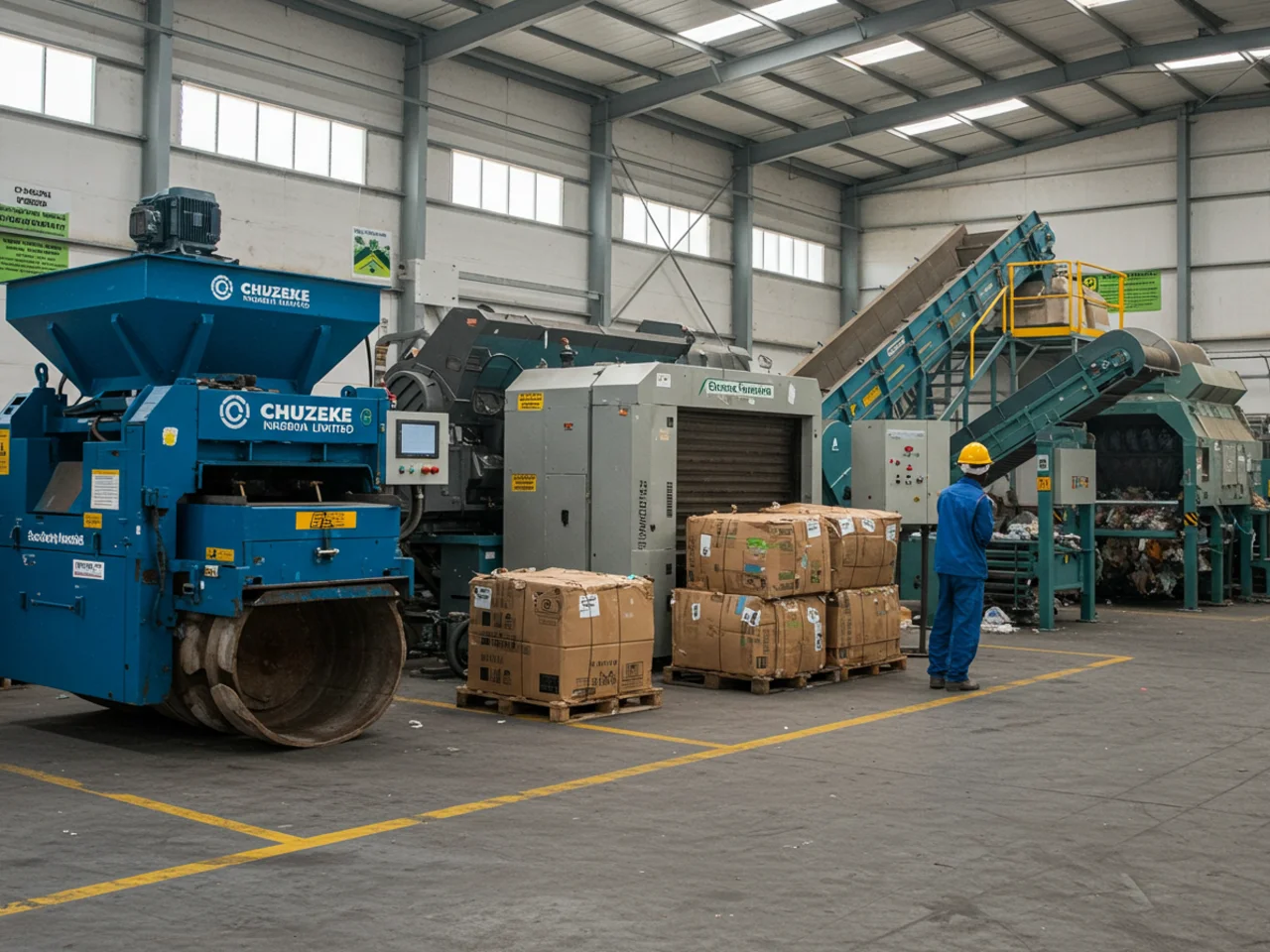
At Chuzeke Nigeria Limited, we specialize in fabricating equipment using high-grade steel and precision engineering. Our focus is on durability. Whether it is a medical waste treatment unit or a massive industrial receptacle, the equipment must withstand daily rigorous use.
How Chuzeke Nigeria Limited Supports Your Waste Management Goals
We are more than just a manufacturer; we are your partner in environmental engineering. Chuzeke Nigeria Limited positions itself as the premier waste equipment manufacturer in the region. We design and build:
- Medical Waste Incinerators: High-temperature units designed for hospitals to ensure complete pathogen destruction.
- Solid Waste Equipment: From dumpsters to compactors, built to handle heavy municipal and industrial loads.
- Oil Field Systems: Specialized containment and treatment solutions for the oil and gas sector.
Our local fabrication facility in Port Harcourt ensures that you get equipment tailored to your specific needs, with the assurance of local maintenance support and spare parts availability.
Frequently Asked Questions on Waste Disposal
Does Chuzeke Nigeria Limited offer custom fabrication?
Yes, we design and fabricate equipment to match the specific volume and space requirements of your facility.
What is the difference between solid waste and medical waste?
Solid waste refers to general trash generated by households and businesses, while medical waste is specific to healthcare facilities and may be infectious or hazardous.
Why is incineration recommended for medical waste?
Incineration is the most reliable method for destroying pathogens and reducing the volume of waste by up to 90%, making final disposal safer.
Do not let poor waste handling slow down your business or endanger your community. Upgrade your infrastructure with equipment built to last.
Contact Chuzeke Nigeria Limited today to discuss your specific requirements. Let us help you design a solution that ensures compliance, safety, and efficiency.


Partner with Nigeria's Leading Waste Equipment Fabrication company
Stop dealing with equipment failures and project delays. Get reliable waste management and oil field equipment engineered for Nigerian industrial conditions. We’re ready to build.