

Oil Sludge Treatment in the Niger Delta: Methods, Equipment & Compliance
Oil sludge treatment in the Niger Delta sits at the center of every serious conversation about oilfield cleanup, flow station upkeep, and environmental law in Nigeria. Operators in Port Harcourt, Warri, Bonny, and across Rivers and Delta States generate large volumes of oily sludge every year from tank bottoms, drilling pits, and spill sites. Getting oil sludge treatment right protects workers, keeps regulators off your back, and stops contaminated land from spreading further into farmland and waterways.
This article by Chuzeke Nigeria Limited breaks down the treatment methods that work in Nigerian field conditions, the equipment that enables those methods, and the compliance rules that NOSDRA, NUPRC, and NESREA enforce.
What Is Oil Sludge and Why the Niger Delta Produces So Much of It
Oil sludge is the thick, semi-solid mix of crude oil, water, and solids that collects at the bottom of storage tanks, drilling pits, and spill-affected soil. In the Niger Delta, decades of pipeline leaks, equipment failure, sabotage, and illegal refining have left soil and creek beds soaked with this material.
Some impacted sites have recorded total petroleum hydrocarbon readings in the hundreds of thousands of parts per million before treatment even begins.
That scale is why oil sludge treatment in the region needs the right science and the right machines working together, not one or the other.
Oil Sludge Treatment Methods Used in Nigeria
Bioremediation and Landfarming
Bioremediation uses bacteria, often boosted with nutrients such as poultry waste or biochar, to break hydrocarbons down into harmless byproducts.
A 2025 field study in Rivers State cut total petroleum hydrocarbon levels by more than 93% over a 90-day biopile cycle, though residual levels still sat above the regulatory target, showing that timeline matters as much as method.
Landfarming spreads sludge in thin layers over engineered beds so sunlight, oxygen, and soil microbes can do the same job at a larger scale.
Thermal Desorption
Thermal desorption heats contaminated soil or sludge to a controlled temperature, vaporizing oil and water without burning the material itself. This separates recoverable hydrocarbons from clean solids, often recovering oil that can be resold or reused.
It works well on tank bottoms and drilling waste with high oil content, and mobile units let contractors treat material on site instead of trucking it across the Delta.
Centrifugation and Mechanical Separation
Decanter centrifuges spin sludge at high speed to split it into oil, water, and solid fractions. This method handles fresh, oil-rich sludge fast and pairs well with thermal desorption as a pretreatment step that lowers the load on the heating system.
Solidification and Stabilization
Mixing sludge with binding agents such as cement or lime locks contaminants into a solid matrix that resists leaching. This suits sites where disposal in an approved, secure landfill is the only practical option.
Incineration
High-temperature incineration destroys hydrocarbons completely and works for sludge too mixed or contaminated for recovery-based methods. It needs strict emission controls to stay within NESREA air quality limits.
Equipment Needed for Oil Sludge Treatment
A treatment method only performs as well as the equipment running it. Field-grade oil sludge treatment equipment in Nigeria has to handle heat, humidity, and near-constant operation without breaking down.
Thermal Desorption Units
These systems indirectly heat sludge to separate hydrocarbons and moisture in a continuous, contained process, recovering usable oil while discharging a safe solid byproduct.
Capacity ranges from a few cubic meters a day on mobile units up to several tonnes an hour for fixed installations serving terminals and flow stations.
Decanter Centrifuges and Separators
These machines need corrosion-resistant metallurgy to survive Nigeria’s humidity and the abrasive solids common in Niger Delta sludge, along with seals rated for continuous duty.
Rotary Kiln Incinerators
Built for continuous high-temperature operation, rotary kilns pair with emission control systems to destroy hydrocarbon waste streams that cannot be recovered economically.
Storage, Containment, and Handling Systems
Tanks, bunds, and transfer equipment built from high-grade steel keep sludge contained between treatment stages and stop secondary spills during handling.
Compliance Rules Every Operator Must Meet
EGASPIN Target and Intervention Values
The Nigerian Upstream Petroleum Regulatory Commission (NUPRC), which absorbed the former Department of Petroleum Resources, enforces the Environmental Guidelines and Standards for the Petroleum Industry in Nigeria, known as EGASPIN.
EGASPIN sets a target value of 50 mg/kg for total petroleum hydrocarbons in soil and an intervention value of 5,000 mg/kg that triggers mandatory remedial action.
NOSDRA Reporting and Joint Investigation Visits
The National Oil Spill Detection and Response Agency, created under the NOSDRA Act of 2005, oversees spill response and remediation sign-off. NOSDRA staff join host communities and pipeline operators on Joint Investigation Visits to document spills and confirm when a site meets clean-up standards.
NESREA Hazardous Waste Rules
NESREA classifies sludge outside purely domestic or agricultural organic waste as hazardous, which means it must go through approved treatment or end up in a secure, licensed landfill. Treating sludge on site with the right equipment, rather than dumping it, keeps operators on the right side of this rule.
Lessons From the Ogoniland Cleanup
The Hydrocarbon Pollution Remediation Project (HYPREP) offers the clearest real-world picture of oil sludge and soil treatment at scale in Nigeria. By mid-2025, HYPREP had certified and closed 17 contaminated sites under its Phase 1 programme and secured NOSDRA certification for 13 additional sites through natural attenuation, while pushing ahead on 39 lots across 17 medium-risk sites covering more than 125 hectares of hydrocarbon-impacted land.
The project shows what disciplined, well-equipped remediation can achieve, and how much longer the work takes without the right machinery from the start.
Choosing an Oil Sludge Treatment Equipment Fabricator in Nigeria
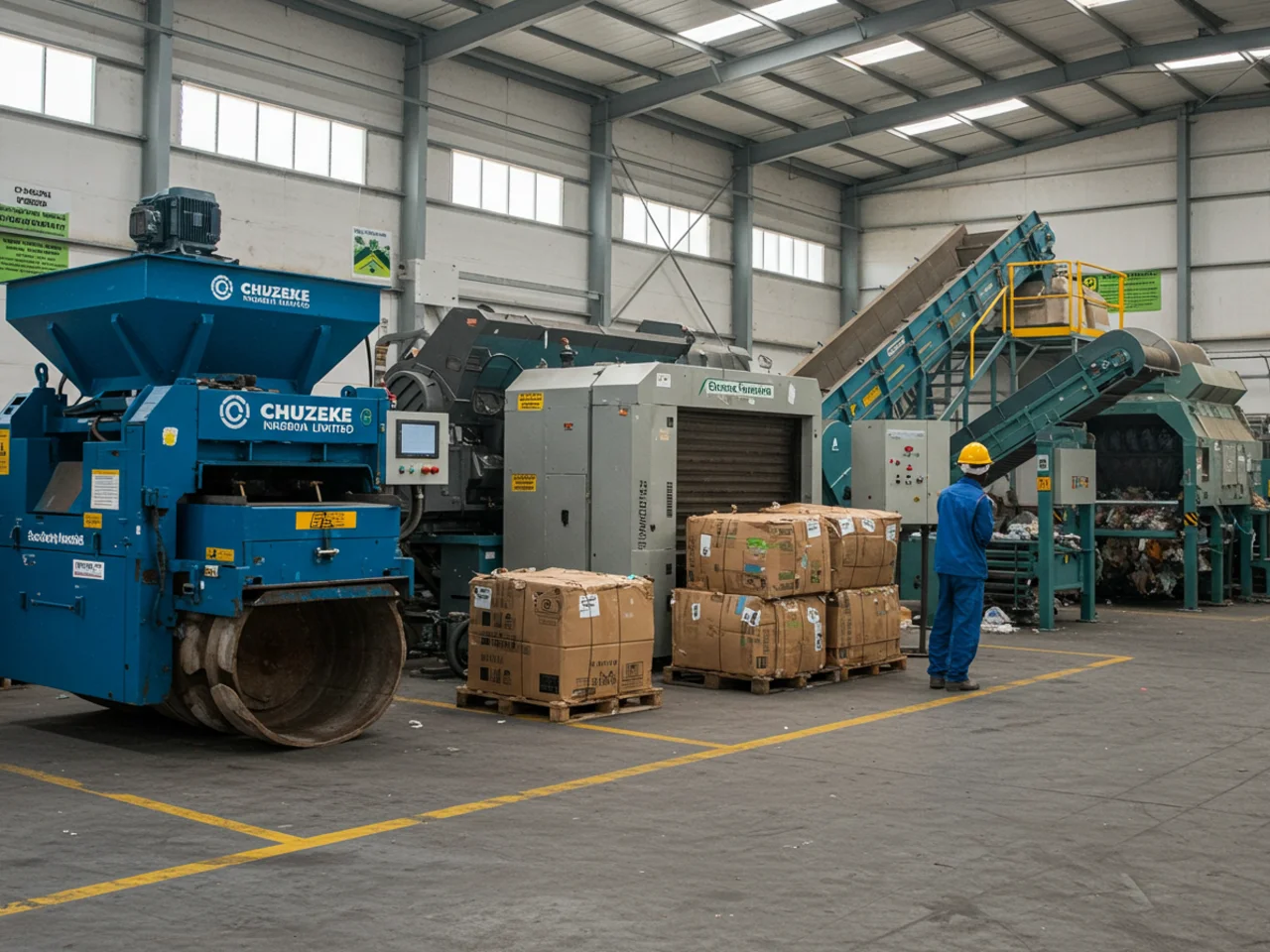
Imported equipment often arrives without local support, and replacement parts can take months to reach Port Harcourt. Chuzeke Nigeria Limited fabricates thermal desorption units, rotary kiln incinerators, and oilfield support equipment from its Port Harcourt facility, sized for Niger Delta heat, humidity, and continuous-duty operation. The team’s sludge thermal desorption unit, rated at 5 tonnes an hour, treats oily sludge in a continuous process, separating hydrocarbons and moisture while recovering reusable oil and safely discharging the solid byproduct.
Every system meets ASME and ISO fabrication standards alongside NESREA compliance requirements, with on-site testing, operator training, and a full documentation package included.
FAQs on Oil Sludge Treatment in the Niger Delta
What is the safe limit for oil sludge contamination in Nigeria?
EGASPIN sets a target of 50 mg/kg TPH in soil and an intervention value of 5,000 mg/kg that requires remedial action.
Which oil sludge treatment method works fastest?
Thermal desorption and centrifugation treat sludge faster than bioremediation, though combining methods often gives the best result on high-volume sites.
Who regulates oil sludge disposal in Nigeria?
NUPRC enforces EGASPIN standards, NOSDRA manages spill response and certification, and NESREA classifies and regulates hazardous sludge disposal.
Partner With Chuzeke Nigeria Limited for Your Oil Field Equipment
Stop relying on imported equipment that cannot handle Niger Delta conditions. Talk to Chuzeke Nigeria Limited about a custom oil sludge treatment system built for your site, your waste stream, and Nigeria’s compliance requirements.
Get a Quote | See Our Waste Management Equipment | Read Our Equipment Buying Guide


Partner with Nigeria's Leading Waste Equipment Fabrication company
Stop dealing with equipment failures and project delays. Get reliable waste management and oil field equipment engineered for Nigerian industrial conditions. We’re ready to build.