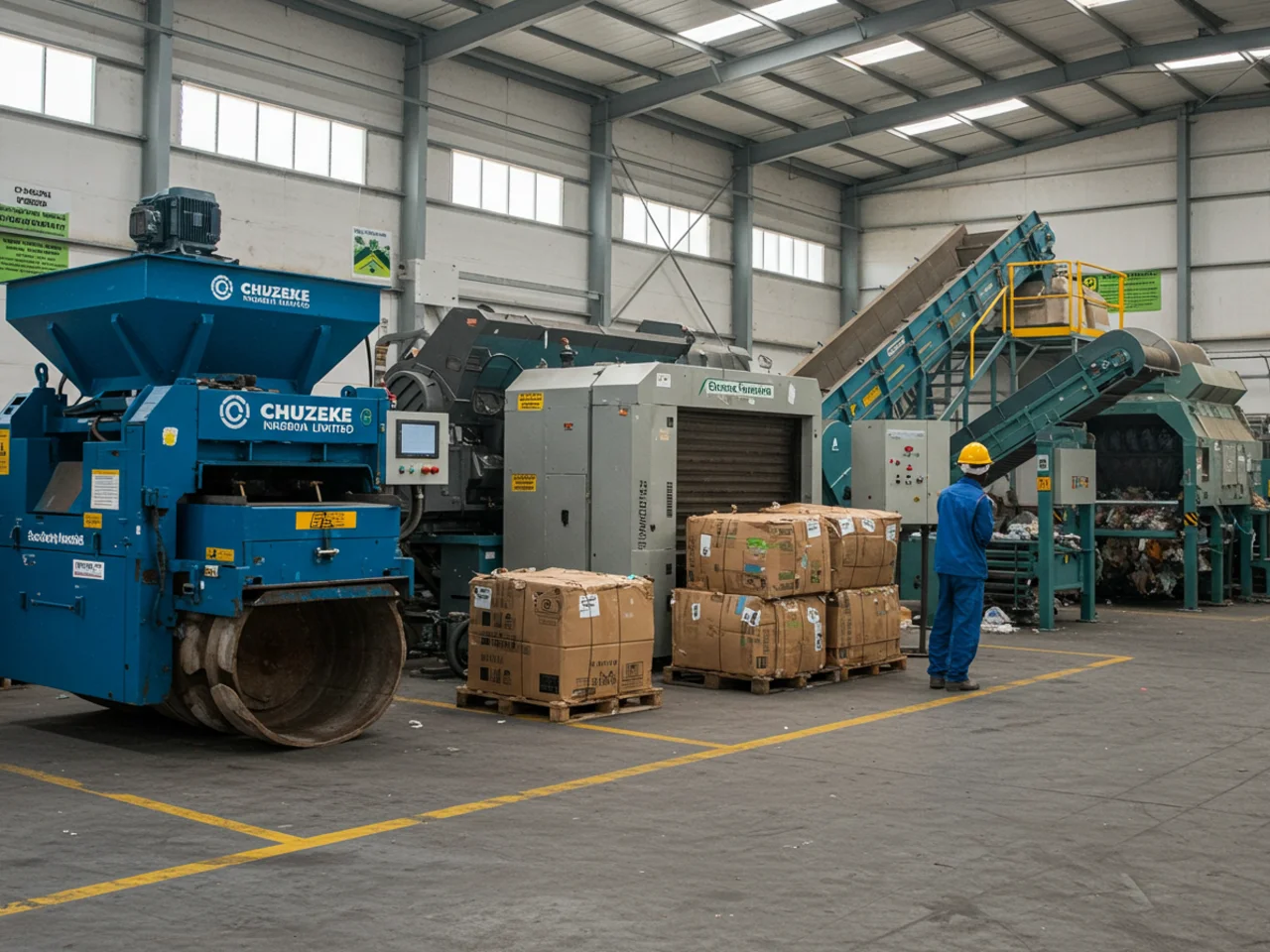
Hazardous waste management in Nigeria sits at the intersection of federal law, state enforcement, and industrial reality. Oil and gas operators, hospitals, manufacturers, and even electronics importers all generate waste streams that can poison soil, water, and people if they are handled the wrong way.
Nigeria now generates an estimated 2,469,000 tons of hazardous waste every year, more than any other country on the continent, with petrochemical operations, healthcare facilities, and electronic waste imports as the three biggest sources.
Chuzeke Nigeria Limited fabricates the equipment that turns that regulatory requirement into a working system. Based in Port Harcourt, Chuzeke builds rotary kiln incinerators, medical waste incinerators, thermal desorption units, and chemical fixation systems for operators across the Niger Delta and beyond.
Before you commission any hazardous waste equipment, though, it pays to understand the rules that shape it. The reason is simple: a system built to the wrong standard becomes a compliance liability instead of a solution.
What Counts as Hazardous Waste in Nigeria
Nigerian regulators define hazardous waste by its characteristics rather than a single fixed list. A waste is treated as hazardous if it is ignitable, corrosive, reactive, or toxic, or if it contains substances that threaten human health or the environment when handled improperly.
Common sources of hazardous waste in Nigeria
These include drilling mud and oily sludge from upstream oil and gas operations, spent solvents and heavy metals from manufacturing, sharps and pathological waste from hospitals, and end-of-life batteries and electronics. Used electrical and electronic equipment imports add another layer of risk, since Nigeria has become a destination for near-end-of-life devices from other countries.
Hazardous vs. non-hazardous waste classification matters because it determines which regulation applies, which permits you need, and which disposal method is legal. Municipal solid waste falls under the National Environmental (Sanitation and Wastes Control) Regulations, while oil field waste, healthcare waste, and industrial chemical waste each sit under their own dedicated rule sets, covered next.
The Legal Framework Governing Hazardous Waste Management in Nigeria
Nigeria’s hazardous waste rules trace back to a single incident. In 1988, an Italian ship dumped toxic waste at Koko, a town in Delta State, sickening residents and forcing the government to act.
That event led directly to the Harmful Waste (Special Criminal Provisions) Act of 1988, which still prohibits carrying, dumping, or depositing harmful waste in Nigeria’s air, land, or waters without lawful authority, and to the creation of Nigeria’s first national environmental protection agency.
NESREA and the national hazardous waste regulations
These rules now carry that mandate forward. The National Environmental Standards and Regulations Enforcement Agency has published 35 gazetted environmental regulations, and several apply directly to hazardous waste: the National Environmental (Sanitation and Wastes Control) Regulations, the Healthcare Waste Control Regulations (2021), the Polychlorinated Biphenyls Control and Disposal Regulations (2020), the Chemicals and Pesticides Regulations (2023), the Battery Control Regulations (2024), and a new Plastic Waste Control Regulations that only took effect in 2026.
NESREA maintains the full list at nesrea.gov.ng/laws-regulations.
EGASPIN and oil and gas hazardous waste rules
EGASPIN rules govern petroleum sector waste specifically. The Environmental Guidelines and Standards for the Petroleum Industry in Nigeria set target and intervention values for petroleum hydrocarbon contamination in soil, at 50 mg/kg and 5,000 mg/kg respectively, and require operators to convert hazardous exploration and production waste into non-hazardous forms wherever possible.
NOSDRA, NUPRC, and upstream waste oversight
Split enforcement between two agencies. NOSDRA coordinates Nigeria’s National Oil Spill Contingency Plan and oversees remediation of spill-contaminated sites. NUPRC’s Integrated Waste Management unit regulates and tracks all hazardous and non-hazardous waste generated in upstream oil and gas operations, from the point of generation to final disposal, and accredits the facilities that treat it.
NUPRC’s 2022 Upstream Petroleum Environmental Regulations add further detail on chemical testing, waste tracking, and safe removal of radioactive scales during decommissioning.
HYPREP and Niger Delta remediation standards
These standards show how these frameworks meet on the ground. The Hydrocarbon Pollution Remediation Project, which runs the Ogoniland cleanup, applies its own soil remediation target of 1,000 mg/kg total petroleum hydrocarbon, a stricter working standard in practice than EGASPIN’s base 50 mg/kg figure.
Operators working in the Niger Delta need to know which standard a given remediation project is using before they select equipment.
The Basel Convention and transboundary waste control
Basel caps the framework at the international level. Nigeria ratified the Basel Convention on the Control of Transboundary Movements of Hazardous Wastes after the Koko incident, committing the country to environmentally sound management of hazardous waste and to blocking illegal waste shipments across its borders.
The Basel Convention Coordinating Centre for the African Region, hosted at the University of Ibadan, supports this work regionally.
Hazardous Waste Management Equipment Used in Nigeria
Once you know which rule applies, the next question is which equipment can meet it.
Rotary kilns and medical waste incinerators
They remain the standard for destroying hazardous and biohazardous waste in Nigeria. Chuzeke fabricates rotary kiln systems that handle 100 kg to 2,000 kg of waste per hour at temperatures up to 1,200°C, built for medical waste, industrial byproducts, and general hazardous material destruction.
A multi-chamber medical waste incinerator, such as the one Chuzeke Nigeria Limited builds, keeps primary and secondary combustion separate to fully break down pathogens and organic contaminants before discharge.
Thermal desorption units
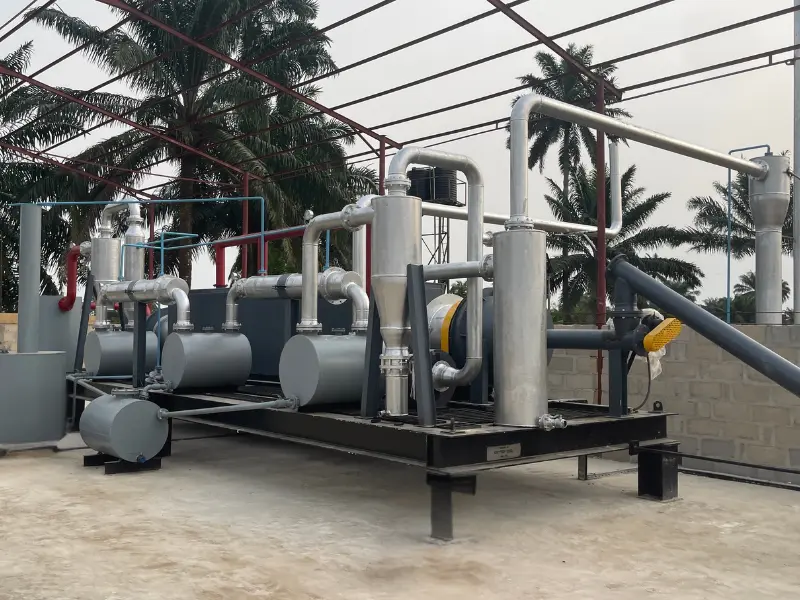
Used for contaminated soil and sludge, TDUs solve a different problem: separating hydrocarbons and moisture from oily waste without burning it. Chuzeke’s 5-ton-per-hour sludge thermal desorption unit uses controlled indirect heating to treat oily sludge in a continuous, contained process, recovering reusable oil while discharging a safe solid byproduct.
This equipment class matters directly for EGASPIN and HYPREP compliance, where contaminated soil and drilling waste need measurable hydrocarbon reduction before disposal.
Chemical fixation and solidification systems
They convert liquid or semi-liquid hazardous waste into a stable, non-leachable solid, often using cement-based reagents, so it can be safely handled, reused as engineered fill, or sent to a permitted landfill. This method suits industrial sludges and latex or chemical process waste that cannot be economically incinerated.
Explore Chuzeke’s full range on the waste management equipment page, which also covers gasifiers, pyrolysis plants, and mercury recovery systems for specialized waste streams.
Hazardous Waste Disposal Steps and Compliance Checklist
Getting equipment right is only part of the job. Compliance also depends on paperwork and process.
Permits and documentation you need
These typically start with an environmental impact assessment for new facilities, an NESREA or NUPRC permit depending on your sector, and ongoing discharge monitoring reports.
Operators handling upstream oil and gas waste also need NUPRC accreditation for the facility that treats their waste, not just a permit for the waste itself.
Common compliance
Failures to avoid include storing hazardous and non-hazardous waste together, skipping waste characterization before choosing a treatment method, and using equipment that cannot hit the destruction efficiency or contamination threshold a given regulation requires.
Chuzeke’s consultancy team can walk operators through a site assessment before equipment specification even begins, through the consultancy and project support service.
Choosing a Hazardous Waste Equipment Fabricator in Nigeria
Why Chuzeke Nigeria Limited leads hazardous waste equipment fabrication comes down to a simple fact: imported equipment often fails in Nigeria’s heat and humidity, and generic local fabrication cuts corners on materials.
Chuzeke builds every unit, from rotary kiln incinerators to thermal desorption systems, to ASME and ISO fabrication standards while engineering for continuous operation in Nigerian industrial conditions. The company’s Port Harcourt facility puts it close to the Niger Delta operators who generate the bulk of the country’s oil field hazardous waste, and its staff training programs help client teams operate hazardous waste equipment safely once it is installed.
See completed builds on the projects page, including the sludge thermal desorption unit and rotary kiln incinerator referenced above.
Next steps: if your operation generates hazardous waste under NESREA, EGASPIN, or NUPRC rules, get in touch with Chuzeke for a site assessment and equipment proposal.
FAQs on Hazardous Waste Management in Nigeria
What is considered hazardous waste in Nigeria?
Waste is considered hazardous under Nigerian regulations if it is ignitable, corrosive, reactive, or toxic. Common examples include oil field sludge, spent industrial chemicals, healthcare waste, batteries, and electronic waste.
Which agency regulates hazardous waste in Nigeria?
NESREA regulates hazardous waste generally; EGASPIN and NUPRC cover upstream oil and gas waste, NOSDRA handles oil spill response, and HYPREP sets remediation standards specific to Ogoniland.
How is hazardous waste disposed of in Nigeria?
Common methods include incineration in rotary kilns or medical waste incinerators, thermal desorption for oily sludge and contaminated soil, and chemical fixation or solidification before landfill disposal.
Who builds hazardous waste equipment in Nigeria?
Chuzeke Nigeria Limited, based in Port Harcourt, fabricates rotary kiln incinerators, medical waste incinerators, thermal desorption units, and chemical fixation systems for Nigerian industrial and oil field operators.